








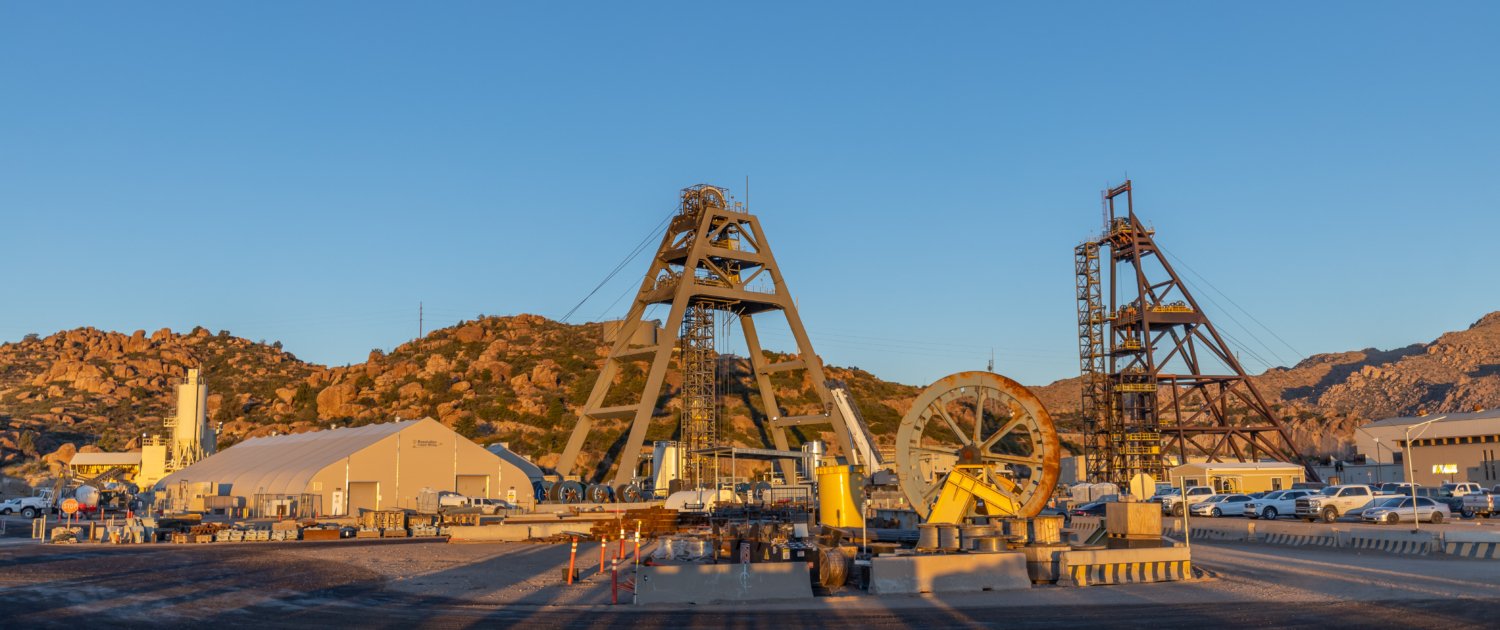
A federal appeals court has dealt a major blow to opponents of the massive Resolution Copper mine, clearing a significant procedural hurdle for a project that could reshape the American minerals landscape. In a decision issued September 29, the Ninth Circuit Court of Appeals denied a request for a rehearing, effectively upholding a previous ruling that permits the controversial land exchange necessary for the mine to proceed.
The denial marks the latest chapter in a two-decade-long saga surrounding the proposed underground operation near Superior, Arizona. As a joint venture between mining giants Rio Tinto and BHP, the project aims to tap into one of the largest copper deposits in the United States. With global demand for copper surging—driven largely by the electrification of the automotive sector, the expansion of data centers for generative AI, and the manufacturing of high-end hardware—Resolution Copper is viewed by many as a vital strategic asset.
## The Push for Domestic Supply Chain Security
The scale of the proposed project is immense. According to company projections, the mine could supply roughly a quarter of all U.S. copper demand once at full capacity. Beyond the raw materials, the developers estimate the project will generate approximately 3,700 jobs and contribute an estimated $61 billion to Arizona’s economy over its lifespan.
Proponents, including the Arizona Chamber of Commerce & Industry, argue that the Ninth Circuit’s refusal to rehear the case provides the “legal certainty” required for the massive capital expenditures involved in mining. In an era where tech companies are investing billions in AI infrastructure—which relies heavily on copper for power distribution and cooling systems—the ability to secure domestic sources of critical minerals has become a priority for both corporate supply chain managers and federal policymakers.
## Environmental and Cultural Legal Battles
Despite the economic arguments, the project has faced fierce opposition from groups citing deep environmental concerns and the violation of religious freedoms. Central to the dispute is the land known as Oak Flat, a site held sacred by the Western Apache. Opponents contend that the federally authorized land exchange, which transfers public Tonto National Forest land into private hands, will lead to the destruction of culturally significant terrain.
While the majority of the Ninth Circuit judges opted to let the previous panel’s decision stand, the ruling was not without contention. Several judges issued dissents, arguing that the court had a duty to re-examine how federal religious-freedom protections interact with the transfer of public lands. These dissenting opinions highlight the ongoing tension between national development goals and the protection of historical, indigenous sites.
## A Signal for Major Infrastructure Projects
The court’s decision does not guarantee an immediate start to construction, as the project remains subject to layers of regulatory oversight and potential further litigation. However, by closing the door on a rehearing, the court has effectively reduced the number of avenues available to those attempting to block the land transfer.
For observers of major infrastructure and industrial projects, the case serves as a barometer for how appellate courts view long-standing development plans that have already cleared years of environmental and permit reviews. The Arizona Chamber of Commerce & Industry lauded the ruling, noting that “major projects cannot remain tied up in litigation indefinitely.”
As the tech sector continues to prioritize the hardware and energy infrastructure needed to sustain the ongoing AI revolution, the Resolution Copper decision will likely be studied as a landmark moment in the balance between land use, cultural preservation, and the urgent push to onshore critical mineral production.
Disclaimer: This content is auto-generated for informational purposes only.
Source: Read Original News