







In a report presented to its Environmental Services Committee, Fermanagh and Omagh District Council set out its response to two major consultations from the Department of Agriculture, Environment and Rural Affairs, covering waste prevention and water management.
The report states that “the Council recognises the importance of transitioning towards a circular economy model that reduces waste, maximises resource efficiency, lowers carbon emissions, and protects the natural environment.”
At the same time, it emphasises the unique challenges faced by rural areas, noting that the district is “the largest and most rural” in Northern Ireland and therefore particularly exposed to the operational and financial implications of reform.
On waste policy, the council expressed broad agreement with the direction of the proposed programme, stating that it is “overall supportive of DAERA’s proposed Waste Prevention Programme and its alignment with circular economy principles.”
However, it stressed that implementation must be grounded in reality.
Key measures, including waste levies, should be “evidence based, proportionate, and transparently reinvested in environmental improvement,” the report said.
The council also highlighted the need for “practical implementation, adequate resourcing, and alignment with local authority systems and service delivery,” warning that without these, policy goals may not be achievable.
On water management, the report identified climate change as a central pressure.
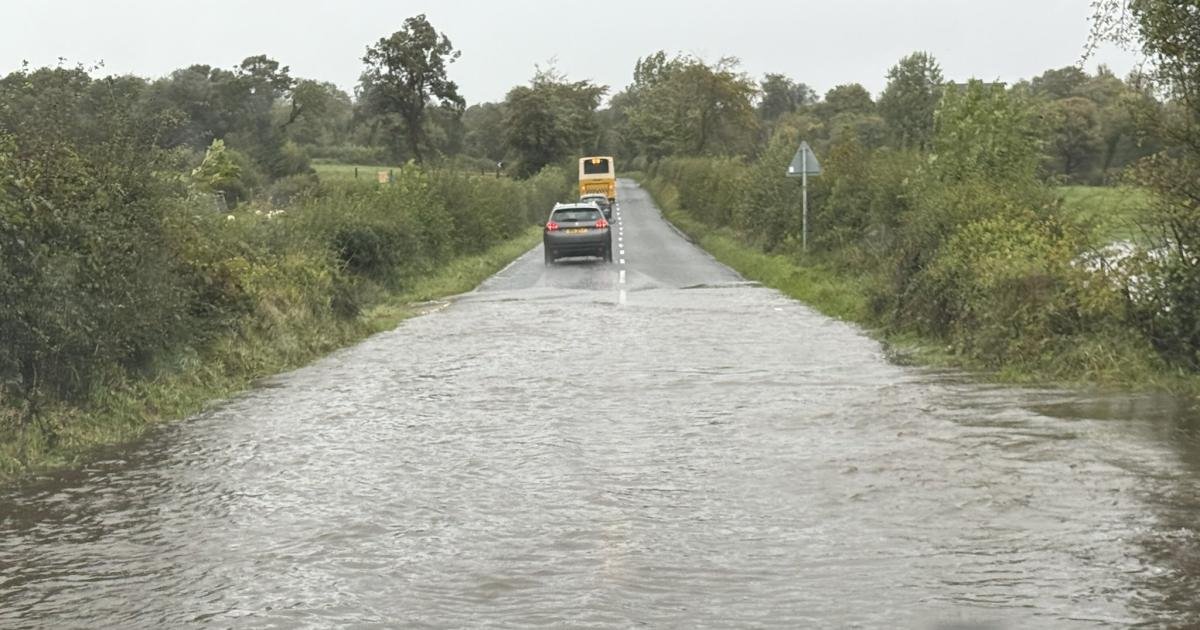
It described how environmental challenges are intensifying through “altered rainfall patterns, increased flood risk, rising water temperatures, and more frequent algal blooms.”
The council pointed to the cumulative impact of these factors, alongside infrastructure limitations and land use pressures, arguing that responses must be carefully calibrated.
In particular, it cautioned against policies that might unfairly burden specific sectors.
The report states that any approach “should not place disproportionate responsibility on farmers,” recognising that water quality issues arise from multiple sources.
Throughout the document, there is a consistent call for balance.
Policies, it argues, must be “proportionate, locally informed, and capable of addressing both environmental challenges and the practical realities faced by communities and key sectors.”
The recommendations before councillors include approving the draft responses for submission ahead of consultation deadlines in June and July.