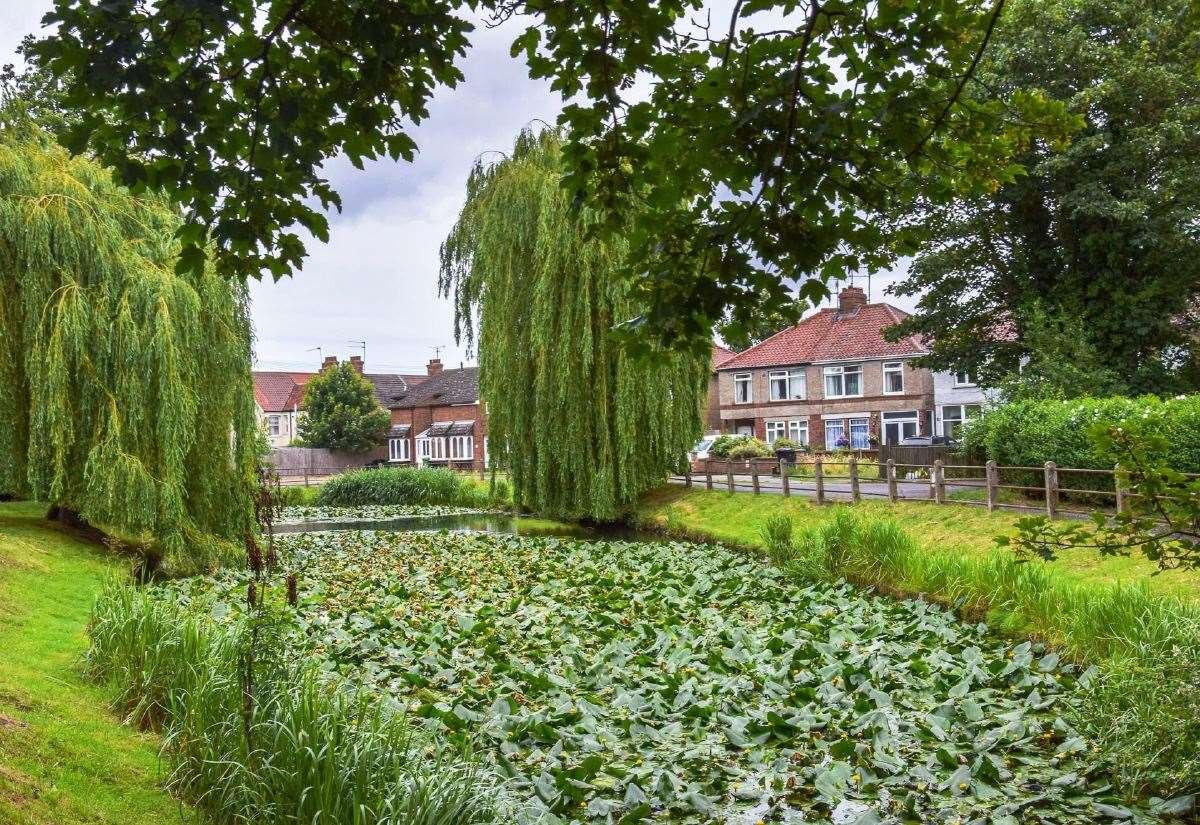





It has been a source of excitement for weeks that we have found ourselves custodians of newts. Judging by the numbers present and the age of our pond, they have probably been here at least a decade. Yet neither our neighbours nor our predecessors at the address knew of any.
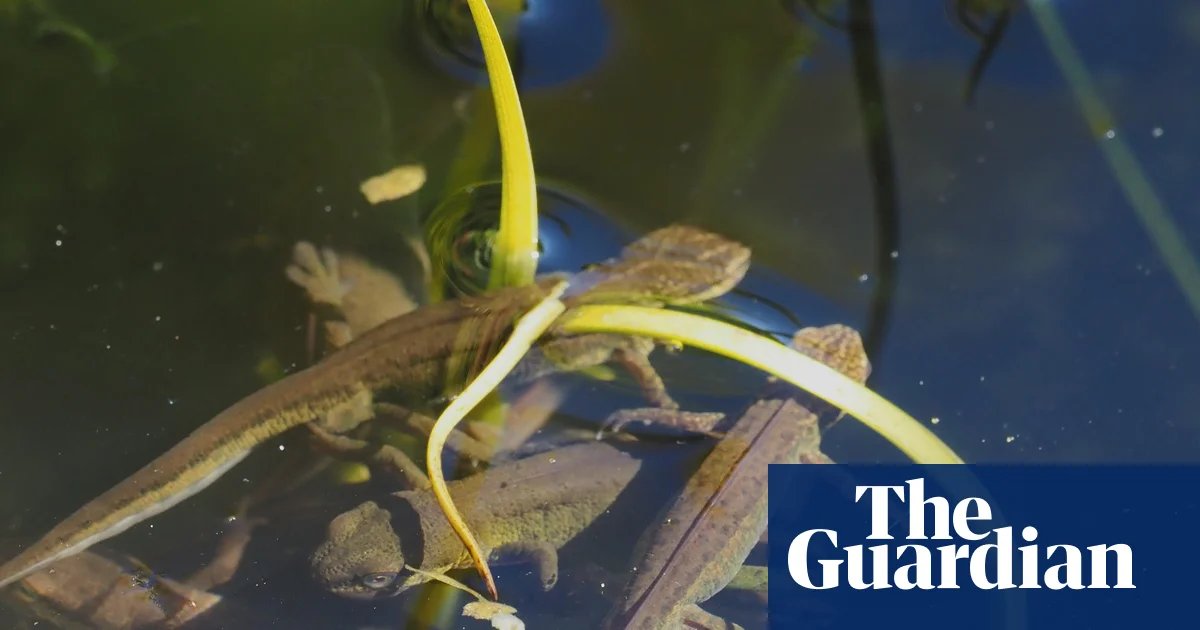
I happened to notice a gloop of air rise at the pond surface. That glimpse triggered a few minutes’ scrutiny, and lo, there it was: a palmate newt. It led to a hasty net purchase. Several days later, at the first speculative sweep of the mesh, with which we had hoped to catch at least a single example, it came up with nine. They have been the talk of the house ever since.
In terms of scarcity, it is the middle one among our national trio (common, palmate and great crested). Palmate is smaller than its relatives – and the male is significantly smaller than his partner. They also acquire fewer of the extravagant colours or corrugated frills that adorn the tails and mantles of the other species.
The most prominent feature on a female, aside from her swollen egg-filled belly (200 per mother apparently), is her incredibly ancient-looking, pale-gingery wrinkled skin. His standout detail, along with the black flanges between hind toes that give the species its name, is a lovely, intense pale stippling across face and neck, bordered by a dark eye-stripe.
Perhaps what is most significantly overlooked, in the welter of new newt discoveries, is the central mystery of how we managed not to see them until now. But then no one had ever, anywhere, recognised a palmate newt until a Swiss naturalist, Razoumowski, did so in 1787. Nor had anyone knowingly seen one in Britain until 1843. Henry Miller wrote that “the moment one gives close attention to anything, even a blade of grass, it becomes a mysterious, awesome, indescribably magnificent world in itself”.
What I like to reflect, as I watch clusters of eight or nine palmate newts wafting so elegantly in the misty water column, is that they represent the wonder that lies all around us. We simply have to stop and look.