







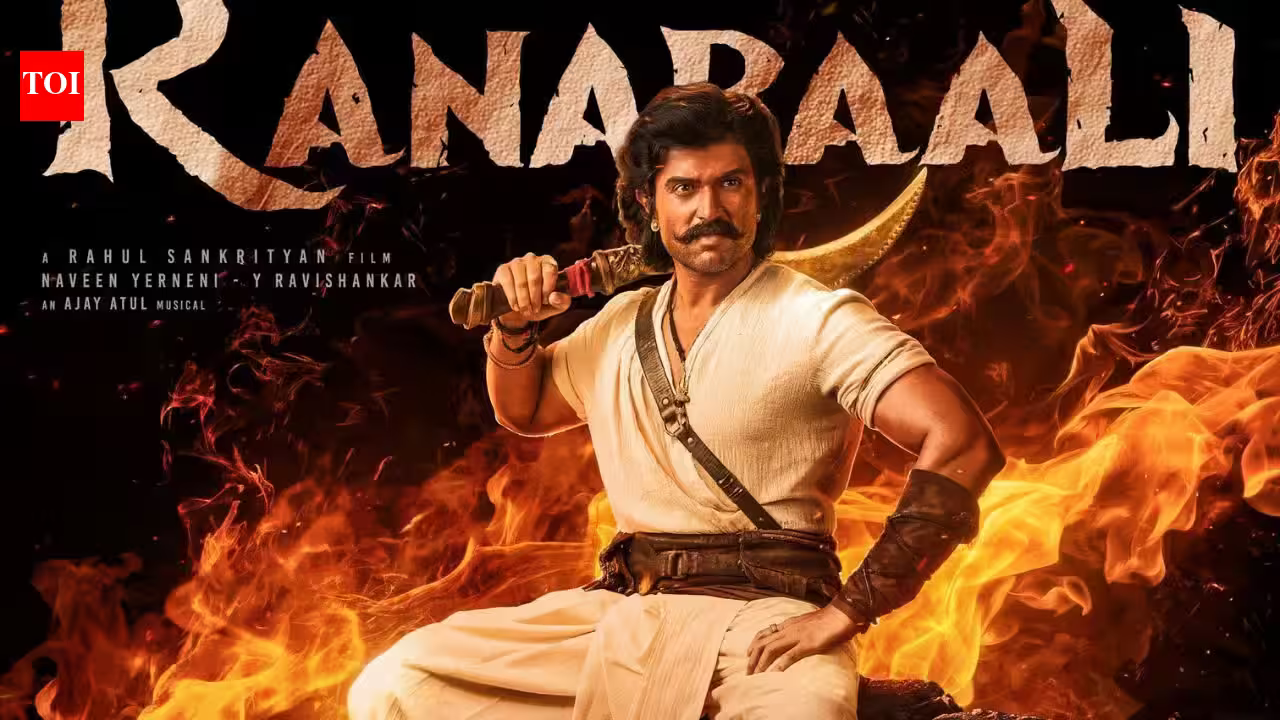
The curtain rose on Ranabaali today, but for fans eagerly scouring the internet for a consensus before booking their tickets, the digital landscape is strangely silent. In an unprecedented move that has sent shockwaves through the South Indian film industry, the highly anticipated period action drama starring Vijay Deverakonda and Rashmika Mandanna has arrived in theaters with its review and rating sections conspicuously scrubbed from the nation’s largest ticketing portal, BookMyShow.
This isn’t a glitch, and it certainly wasn’t an aesthetic choice by the production team. It is the direct fallout of a high-stakes legal battle playing out in a Bengaluru courtroom, where the makers of Ranabaali successfully secured an ex parte interim order to stifle what they characterize as a coordinated digital smear campaign.
The Courtroom Intervention: A New Precedent?
The legal maneuver, which has drawn the attention of major tech giants including Google, Meta, X (formerly Twitter), and IMDb, stems from a petition filed by the film’s producers. They argued that the project was being subjected to a targeted, malicious attempt to damage its reputation before it even had a chance to breathe in front of an audience.
According to legal reports, the Bengaluru court’s order is far-reaching. It isn’t just targeting rogue accounts; it has mandated that several platforms remove specific content deemed defamatory. The move sets a fascinating, if controversial, precedent for the future of online discourse in Indian cinema. While the judiciary has stepped in to protect the commercial interests of the film, it leaves the public—and the democratization of film criticism—in a state of suspension. When the court reconvenes on November 6, the arguments presented by both the filmmakers and the platforms will likely spark a broader debate on the fine line between free speech, legitimate critique, and the weaponization of online forums.
The Shadow of ‘Review Bombing’
At the heart of this legal storm is the contentious phenomenon of “review bombing.” For the uninitiated, this involves a concerted effort by groups—often utilizing bot networks or orchestrated social media campaigns—to artificially tank a film’s rating on platforms like IMDb or ticketing sites. The goal is simple: to create a “flop” narrative that discourages casual moviegoers from buying tickets.
The Ranabaali production team claims that the toxicity began almost immediately after the teaser dropped on September 9. They alleged that they were being hit by a wave of mock-reaction videos, disparaging memes, and premature box-office obituaries, all of which they contend were not organic criticisms but an organized boycott effort.
Whether this is a genuine defense against cyber-bullying or a preemptive strike to silence valid skepticism remains a point of contention among industry analysts. What is clear is that the fear of a “boycott culture” has reached such a fever pitch that filmmakers are now bypassing traditional PR damage control and heading straight for the judge’s chambers.
The ‘Jailer 2’ Parallel and the Future of Ratings
If the Ranabaali case feels like a bellwether, it’s because it isn’t an isolated incident. The decision to disable ratings on Jailer 2, the Rajinikanth-starrer that hit screens just one day prior, suggests that platforms are now effectively “capping” the discourse to mitigate legal risks.
Is this the beginning of the end for the traditional star-rating system on ticketing apps? For years, these metrics have functioned as the primary compass for the average viewer. If major studios continue to seek court orders whenever they anticipate a negative reception, platforms like BookMyShow may be forced to abandon user ratings altogether to avoid being dragged into litigation. While this might save a film’s opening-day bottom line, it strips away the last vestiges of transparency in a market that relies heavily on audience sentiment to build long-term momentum.
A Grand Cinematic Vision: Under the Weight of Controversy
Setting the legal drama aside, Ranabaali is a film that demands to be judged on its own merits—and those merits are significant. Directed by the visionary Rahul Sankrityan, the film is an ambitious period piece set against the haunting backdrop of the Great Madras Famine of 1876–1878.
The story, which centers on a protagonist fighting against the crushing weight of British colonial exploitation in the Rayalaseema region, is clearly designed for the big screen. The casting choice is equally grand, pairing the explosive screen presence of Vijay Deverakonda with the nuanced depth of Rashmika Mandanna. Adding to the international pedigree is Hollywood veteran Arnold Vosloo, whose portrayal of the antagonist, Sir Theodore Hector, promises to elevate the film’s stakes far beyond the standard hero-villain tropes.
The Audience Verdict: Will Silence Speak Louder?
Ultimately, the courtroom may have silenced the rating bars, but it cannot silence the audience. The “I’m Interested” buttons on ticketing sites remain active, and the buzz on the ground is palpable. In an era where “word-of-mouth” has migrated from the water cooler to the comment section, removing the ability to post a star rating might actually serve to fuel the curiosity of the viewer.
Does Ranabaali live up to the hype? That is a question that will be answered in the only way that truly matters in show business: by the seat occupancy in theaters this weekend. By scrubbing the digital forums, the makers of Ranabaali have effectively bet that the film’s quality is strong enough to survive without the protection of a high rating. Whether that gamble pays off—or whether the move to suppress dissent only invites further scrutiny—remains the most compelling subplot of the entire release. One thing is certain: for the next few weeks, the most interesting drama surrounding Ranabaali won’t be on the screen; it will be in the lobby, the courtroom, and the silent corners of the internet.
Disclaimer: This content is auto-generated for informational purposes only.
Source: Read Original News