







The Volatility of Global Energy Markets
The global energy sector is currently navigating a period of intense volatility, characterized by the delicate balance between geopolitical friction and evolving international policy frameworks. As Brent crude hovers near the $110 per barrel mark, market participants are caught between two contradictory forces: the potential easing of sanctions on Russian energy exports and the persistent security threats in the Middle East. This price level is significant, acting as a threshold that places immense pressure on net-importing economies and complicates inflationary control measures for central banks worldwide.
For global trade, the primary concern remains the reliability of supply chains. While the prospect of increased Russian production—as noted by the International Energy Agency—suggests a cooling effect on prices, the reality of physical delivery and the insurance of tankers carrying Russian crude remain complex. The international market is currently testing the limits of diplomatic maneuverability, where policy shifts in Washington are scrutinized daily for their long-term impact on global inventory levels. Traders are adopting a wait-and-see strategy, knowing that any abrupt movement in supply volumes could cause significant price swings in an already tightened market.
Geopolitical Risk and Middle East Supply Security
The resilience of global oil prices above the $100 barrier is largely attributable to the enduring instability in the Middle East. Recent Houthi-led attacks on Saudi energy infrastructure, including facilities belonging to Aramco and major transport hubs, serve as a stark reminder of the vulnerability of global energy arteries. Even if specific infrastructure damage remains unconfirmed, the psychological impact on the market is immediate. These events serve as a risk premium that gets baked into the price of each barrel of crude.
For the global economy, the safety of the Gulf region is paramount. A substantial percentage of the world’s daily oil output passes through transit points that are susceptible to regional unrest. When security alerts rise, the market tends to price in a premium, anticipating either physical supply disruptions or heightened maritime insurance costs. This environment necessitates that energy companies and governments maintain robust contingency planning. The persistent frequency of these regional conflicts forces international markets to trade with a perpetual bias toward higher prices, regardless of positive signals from other supply-side developments.
Impact on the Indian Macroeconomic Landscape
For India, a country that imports over 80 percent of its crude oil requirements, the current price environment represents a significant macroeconomic challenge. High oil prices act as a direct tax on the Indian economy, impacting the Current Account Deficit (CAD) and placing downward pressure on the Rupee. When Brent crude stays near the $110 level, the cost of the import basket rises, leading to increased pressure on the government’s fiscal math.
In the Indian context, elevated energy prices translate into higher input costs for the manufacturing and logistics sectors. With fuel costs being a major component of operational expenses for transport and industrial production, there is a subsequent pass-through effect on retail inflation. The Reserve Bank of India (RBI) faces the difficult task of balancing economic growth with price stability. Sustained high prices for crude oil limit the fiscal headroom the government might otherwise use for infrastructure spending or tax cuts to stimulate consumer demand. Furthermore, the volatility in international prices makes long-term energy budgeting difficult for domestic oil marketing companies, which often find themselves navigating the fine line between government-mandated price moderation and the need for cost-recovery.
Policy Shifts and the Russian Supply Equation
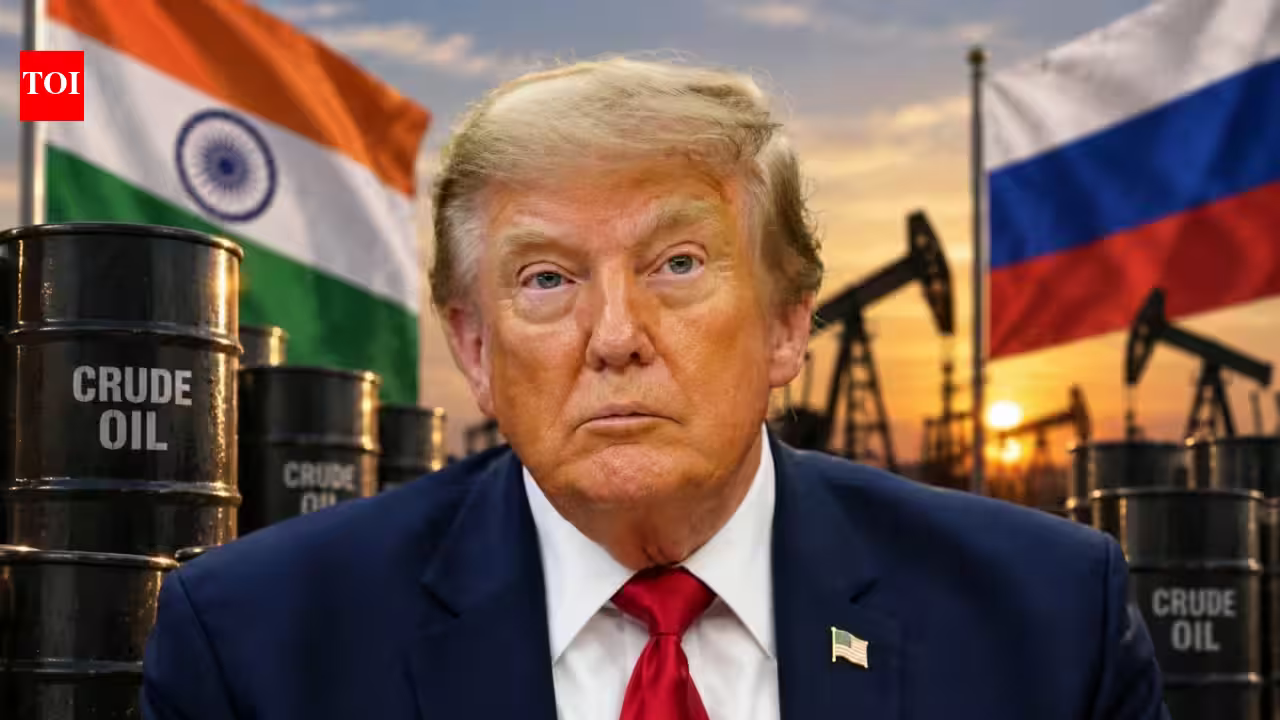
The recent executive order issued by the United States regarding the potential waiver of certain sanctions on Russian energy is a development of critical importance. While the intent to lower global prices by encouraging more supply is evident, the implementation remains shrouded in uncertainty. The market is waiting for clarity on whether these waivers will materialize into actual increases in trade volumes or if they will remain secondary tools for diplomatic leverage.
Russia’s production capacity, which saw a modest uptick in September, remains below historical levels. The global market is currently evaluating the structural constraints that Russia faces in bringing more crude to market, including the availability of shipping capacity and the willingness of international buyers to engage with Russian entities under a shifting sanctions regime. Should these supplies flow into the market in larger quantities, it would likely provide the necessary cushion to dampen the price spikes caused by regional conflicts in the Gulf. However, if these diplomatic efforts fail to yield physical results, the market will likely retain its upward trajectory, as current inventories remain tight relative to global demand forecasts.
Adapting to a New Energy Normal
The current market climate suggests that we are entering an era of sustained energy uncertainty. Investors and businesses are moving away from the assumption that supply chains will always be smooth and predictable. Instead, there is a pivot toward building inventory buffers and diversifying energy sources. For large emerging markets like India, this underscores the urgency of accelerating the transition toward renewable energy sources and enhancing energy efficiency across sectors.
Corporations are increasingly focused on operational agility. In an environment where the cost of raw materials can jump based on a regional conflict or an overnight policy announcement, supply chain resilience is no longer a secondary consideration but a core competitive requirement. The ability to hedge against energy price volatility is becoming a critical financial capability. As international players refine their strategy to manage these shifts, the focus is likely to remain on maintaining steady supply lines while navigating the complex web of sanctions and security threats that define the contemporary global oil market. The coming quarters will be decisive in determining whether the global market can find a sustainable balance or if the current volatility is destined to persist as the prevailing market norm.
Disclaimer: This content is auto-generated for informational purposes only.
Source: Read Original News