







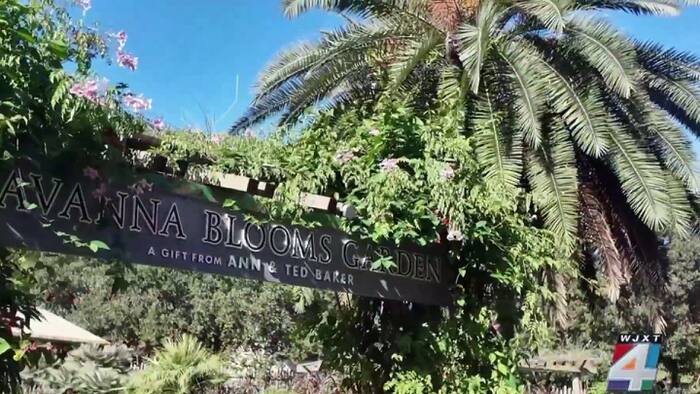
JACKSONVILLE, Fla. – At the Jacksonville Zoo and Botanical Gardens, visitors are discovering that the exhibits aren’t just behind glass or inside fences—they are growing all around them. Following a strategic rebranding effort last year, the institution is doubling down on its commitment to its sprawling, world-class flora, cementing its status as more than just a place to see wildlife.
“We’ve always been the Jacksonville Zoo and Gardens, but we rebranded to the Jacksonville Zoo and Botanical Gardens,” said Curtis Dvorak, the zoo’s official Wildlife Wanderer. “We felt that just saying ‘and gardens’ didn’t give it the emphasis it needs, because our botanical gardens are truly world-class.”
For many guests, the gardens are an immersive experience that begins the moment they pass through the gates. Whether wandering through the Savannah Blooms, the tranquil Trout River Garden, or the intricately designed Asian gardens, guests are constantly surrounded by intentional, curated landscapes. A central feature, the “River of Color,” serves as a botanical spine, connecting disparate animal habitats through a cohesive, vibrant path of foliage.
Behind the beauty is a dedicated team of horticulturists who work tirelessly to maintain the thousands of plants that populate the grounds. Their work is a delicate balancing act; they must reflect the natural, wild environments of the resident animals while simultaneously cultivating rare plant species and preparing new life in the zoo’s private greenhouses.
“When somebody new comes to the zoo and stops me to ask where the gardens are, I just tell them, ‘Turn around. They’re everywhere,’” Dvorak said.
This botanical maintenance becomes particularly complex during the zoo’s busy event season. As the popular “Spooktacular” event concludes on Halloween, the horticulture team faces an immediate and rigorous transition. By November 1, crews begin the transformation of the grounds to prepare for the annual “ZOOLights” display. This rapid changeover requires close collaboration between the zoo’s plant experts and installation teams to ensure that holiday lights and heavy decorations do not compromise the delicate plant life.
Beyond the aesthetics, these events serve a critical mission. As a nonprofit organization, the zoo relies on the revenue generated by its massive events to fund essential animal care and conservation efforts. According to Dvorak, the zoo welcomed approximately 880,000 visitors in the last fiscal year and is currently eyeing a milestone goal of 1 million annual attendees.
The impact of that support is visible in the zoo’s wildlife recovery programs. During a recent tour, Dvorak highlighted the ongoing success of the manatee rehabilitation center, where four manatees are currently in the final stages of recovery, “fattening up” before being released back into the wild.
“The more revenue we can generate, the better we can take care of these animals and support our conservation projects,” Dvorak said. Whether guests are there for the wildlife or the blooms, every visit helps turn the tide for conservation.
Disclaimer: This content is auto-generated for informational purposes only.
Source: Read Original News