








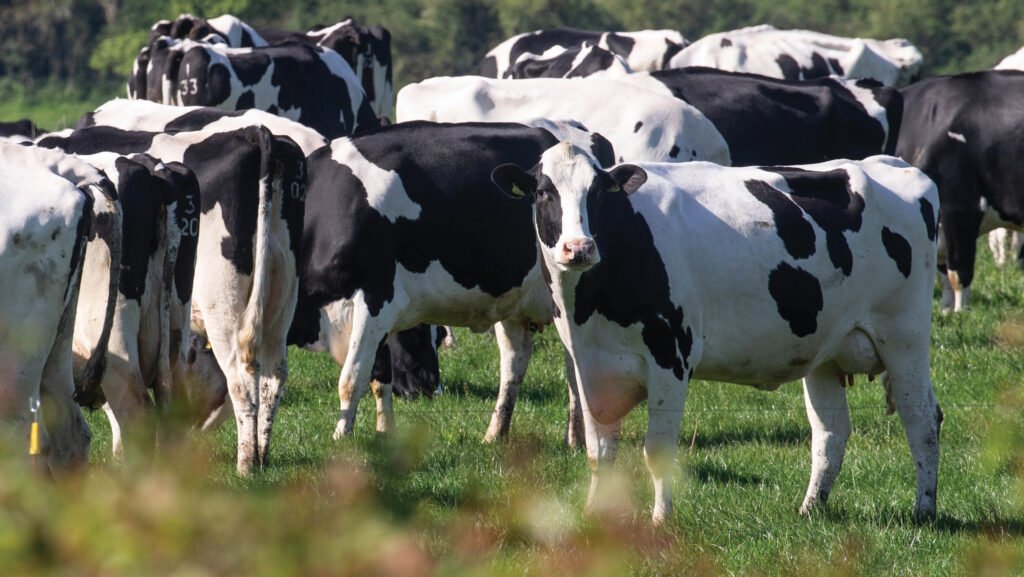
Dairy farms in England could face new environmental permitting requirements under forthcoming government plans, prompting warnings from the NFU over cost and regulatory burden.
Defra is expected to consult this summer on extending Environmental Permitting Regulations to the dairy and “intensive beef” sectors, as set out in the Water White Paper and Environmental Improvement Plan 2025.
The move would mark a significant shift for the sector, bringing more livestock farms into a permitting regime already applied to some intensive pig and poultry units.
See also: Cattle farmers face new pollution permits
Based on current permitting costs in the pig and poultry sectors, it could cost producers up to £10,000 to acquire a permit plus an additional £2,000 to renew each year. This is before any investment in best available techniques takes place.
NFU Dairy Board chairman Ian Harvey said the union was working to ensure policymakers understood the potential impact on farm businesses and the wider supply chain.
“With a Defra consultation expected this year, the NFU has been pushing for an industry-led solution to be included as an alternative option – one that delivers for both the environment and the farm business,” he said.
The union has launched a survey of dairy producers to gather evidence on current environmental practices and identify where further advice, funding or support may be needed.
Mr Harvey said that while the industry recognised its responsibility to improve compliance and reduce pollution, there were concerns a “harsh permitting regime” could add significant cost without delivering the intended outcomes.
“It is vital that any future regulation works alongside productive, profitable businesses,” he added.
The NFU is urging dairy farmers to complete the survey to help shape its response ahead of the consultation.
In response to concerns earlier this year, environment minister Emma Hardy said the government was “looking to develop a proportionate risk-based approach with requirements focused on the most polluting farms”.