









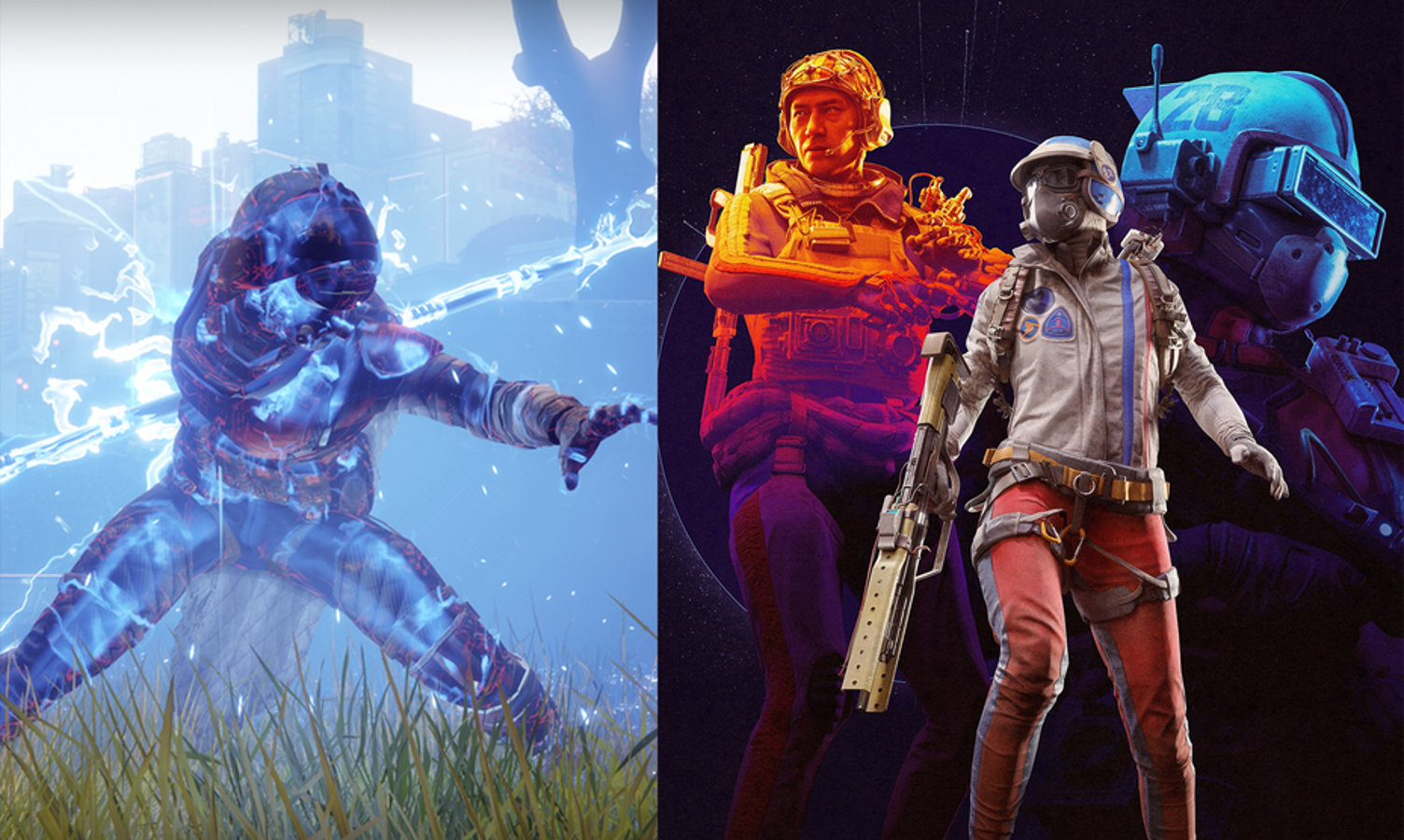
Despite Content Freeze, Destiny 2 Maintains Robust Player Count, Rivaling Newer Titles
LOS ANGELES, CA – Months after the surprising announcement of its final content update, veteran sci-fi shooter Destiny 2 continues to defy expectations, maintaining a surprisingly robust player base that rivals and, in some cases, surpasses newer releases. Despite having no new official content planned for its future, and the franchise having concluded its nearly 12-year run (9 years for Destiny 2 specifically), players are still flocking to the game, prompting questions about its enduring appeal and the decisions that led to its cessation.
Recent data reveals that Destiny 2‘s concurrent player count is remarkably similar to that of ARC Raiders, a highly anticipated extraction shooter released in October 2025. Both titles are currently registering approximately 30,000 concurrent players each night on platforms tracked by SteamDB. This comparison is particularly striking given ARC Raiders‘ initial meteoric rise, which saw it achieve a peak of 481,000 concurrent players near launch, far exceeding Destiny 2‘s all-time high of 316,000. The stark contrast in their trajectories highlights both the initial hype for ARC Raiders and its subsequent challenge in retaining a large audience.
Furthermore, until the recent launch of the "Devoid of Liberty" update for Helldivers 2, Destiny 2‘s nightly numbers were nearly on par with that title as well. Given that Helldivers 2 boasts a predominantly PC player base, while Destiny 2 traditionally draws a larger audience from consoles, this parity further underscores the unwavering dedication of Destiny 2‘s community. ARC Raiders has yet to disclose its PC/console player distribution.
The sustained engagement with Destiny 2 paints a contrasting picture to the trajectory of ARC Raiders. Despite various updates, ARC Raiders has struggled to reverse its player count decline, indicating a challenge in sustaining initial momentum. While a live update (1.42.0) is anticipated for ARC Raiders today, its next major content drop is not slated until October, potentially allowing Destiny 2 to maintain its competitive edge in the interim.
For Destiny 2, the absence of future updates means a natural decline in player numbers is inevitable. However, the current high baseline figures – the highest the game has seen since 2025 – demonstrate a persistent player desire to engage with its universe, even without new official content. Many fans continue to express disappointment over Sony’s decision to discontinue Destiny 2 entirely, particularly following reports of significant layoffs within the Destiny development team. There have been no indications of a reversal in this decision.
Adding another layer to this dynamic landscape is Marathon, a new extraction shooter and spiritual successor to Bungie’s earlier work. Released just five months ago, Marathon currently sees around 4,000 concurrent players nightly on Steam, a figure six times lower than both Destiny 2 and ARC Raiders. Despite continuous content updates, Marathon‘s low player numbers are a source of frustration for many Destiny fans, who question the allocation of resources. The economic realities of game development are a critical factor; Destiny 2 was known for its high maintenance costs and consistent losses. It is difficult to ascertain if Marathon is turning a profit with its current player base, especially considering a 2:1 PC to console player split.
The overarching narrative remains clear: Destiny endures. Its passionate community continues to thrive, even going so far as to embark on "Project Sunrise," a community-driven initiative to unearth and re-implement "vaulted" content from the game’s past. This grassroots effort, which Bungie and Sony have reportedly chosen to overlook, highlights the players’ determination to create their own content in the absence of official support.
As one observer eloquently put it, "Destiny is dead, but its ghost lives on, haunting those who killed it." The continued strong performance of Destiny 2‘s player base serves as a powerful testament to the game’s intrinsic quality, the strength of its community, and perhaps, a cautionary tale for publishers regarding the premature cessation of beloved franchises.