







The State Fair of Texas has long served as a high-stakes laboratory for culinary experimentation, where the goal is to balance gravity-defying flavor combinations with the logistical reality of feeding thousands of visitors. This year, the Big Tex Choice Awards saw 77 entries competing for top honors, a process that highlights the intersection of traditional small-business grit and the modern demands of the food industry.
Beyond the Fryer: The Data-Driven Kitchen
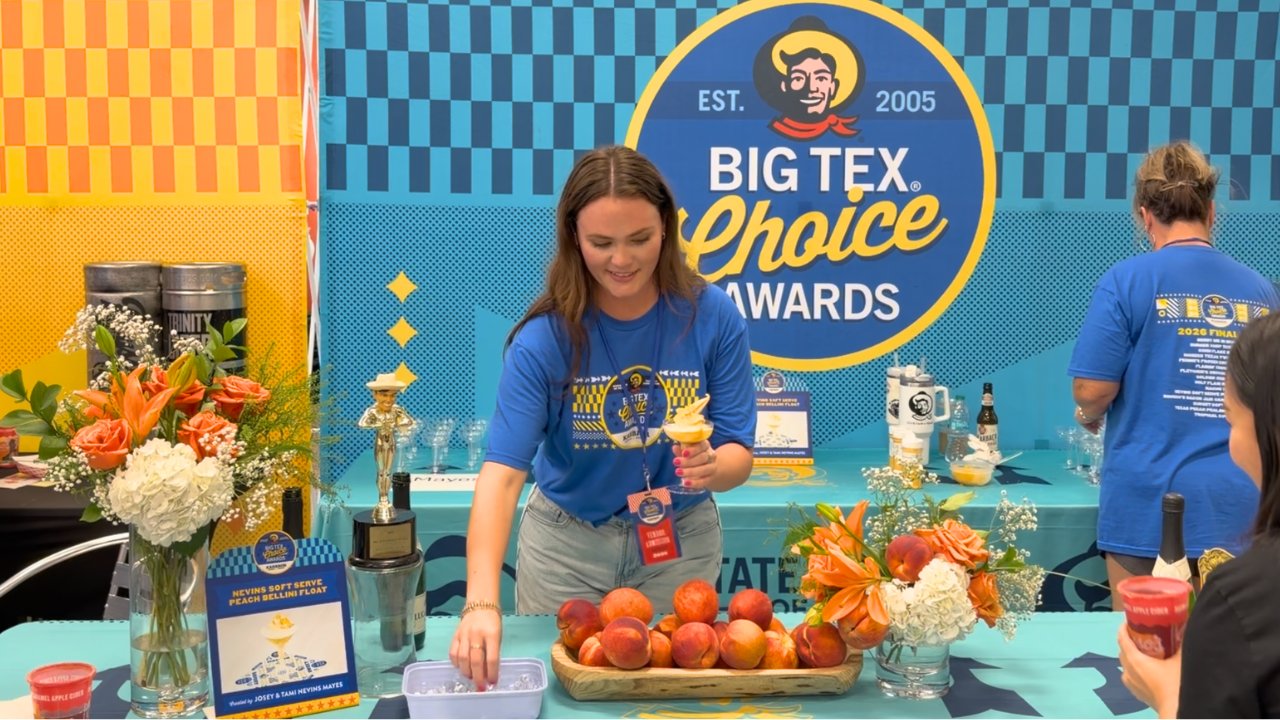
While the public sees the final product—everything from boozy, alcohol-infused soft serve to savory bacon-infused ciders—the journey to the fairgrounds is one of calculated trial and error. Vendors like Josie Nevins Mays, who spent three months perfecting her “Nevin’s Soft Serve Peach Bellini Float,” emphasize that innovation is rarely a last-minute endeavor.
For modern concessionaires, the “test kitchen” is more than just a creative space; it is a business model. Vendors must now account for fluctuating commodity prices, which have spiked 30% to 40% since the pandemic. According to Melanie Linnear, senior vice president of concessions for the State Fair, successful entries are those that account for labor efficiency and cost-per-unit. Every extra second spent assembling a dish is “money left on the table,” requiring vendors to use analytical approaches to production that mirror industrial efficiency.
Tech-Enabled Brand Building
For small businesses, the Big Tex Choice Awards serves as a crucial marketing engine. The publicity generated by becoming a finalist acts as a powerful digital anchor, driving traffic directly to specific booths. In an era where food virality is fueled by social media, the recognition provided by the awards helps vendors secure a digital footprint that persists long after the fair gates close.
Veteran concessionaires like Isaac Rousso, a frequent finalist with multiple wins, treat the competition as a strategic brand-building opportunity. The goal is not just to sell a single dish, but to use the platform to introduce new flavor profiles—like his “Bacon Jam Caramel Apple Hard Cider”—to a massive audience. By leveraging the fair’s official promotional channels, vendors effectively crowdsource public interest before the event even begins.
Future-Proofing the Fair Food Market
The pressure to stay relevant has pushed many vendors to adopt forward-thinking development cycles. Rather than waiting for the fair season to arrive, top competitors are now treating their menus as iterative products. Many vendors, such as Dwania Morris, begin R&D on their following year’s submissions before the current season has finished.
This shift toward long-term planning highlights how even traditional, family-owned businesses are adapting to a faster-paced economic climate. By recording potential recipes in “idea books” and conducting low-stakes, real-time testing during current fair hours, these entrepreneurs are applying a product-development methodology similar to software release cycles.
As the State Fair continues to evolve, the distinction between a “fair food stand” and a “food innovation brand” is narrowing. With vendors already finalized on their entries for next year, the culture of constant optimization ensures that the State Fair of Texas remains not just a destination for nostalgia, but a proving ground for the next generation of American culinary commerce.
Disclaimer: This content is auto-generated for informational purposes only.
Source: Read Original News