






The Evolution of Agentic Development
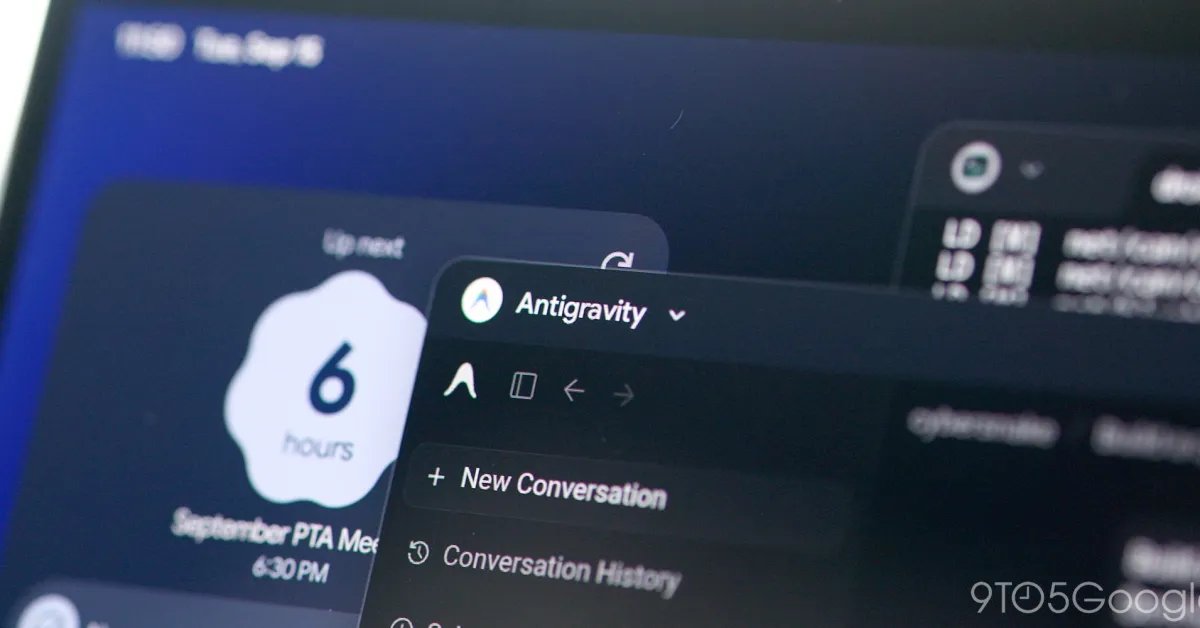
Google has officially released its Antigravity platform on the Google Play Store, marking a significant milestone ahead of the broader Googlebook hardware launch. Antigravity represents a fundamental shift in software development, transitioning from traditional code-writing environments to an agent-first paradigm. Initially unveiled during the I/O 2026 conference in May, version 2.0 of this suite established the platform as a centralized mission control for managing autonomous digital agents.
The core objective of Antigravity is to allow developers to offload repetitive, background-heavy tasks to AI entities that can execute complex workflows without constant human oversight. By acting as a steering mechanism for these agents, the platform enables engineers to focus on architectural decisions while the AI handles implementation, testing, and deployment. With the mobile-native application now available for the Googlebook ecosystem, Google is signaling that its new laptop line is intended to be a primary workstation for professional development rather than a secondary consumption device.
Integration with Googlebook Hardware
The arrival of the Android-based Antigravity client is specifically tailored to the unique architecture of the Googlebook. By leveraging a native interface, the application bridges the gap between the mobile-centric nature of the Play Store and the robust Linux environment that powers the underlying Googlebook OS. This dual-layer approach allows users to manage their agents through a modern graphical interface while simultaneously tapping into the raw power of the Linux kernel for compilation and server-side operations.
This implementation is not merely a wrapper for a web interface. The native Android application provides low-latency communication with the local Linux subsystem, ensuring that tasks such as file monitoring, environment synchronization, and real-time log analysis occur with minimal overhead. For developers, this means the ability to write, debug, and deploy full-stack applications directly from a portable form factor without the need for heavy cloud-based IDEs.
Feature Parity and Cross-Platform Capabilities
A critical question for the developer community is whether the Android-based Antigravity app will maintain feature parity with its macOS, Windows, and Linux counterparts. Historically, mobile versions of desktop developer tools have often suffered from reduced functionality. However, Google’s commitment to making the Googlebook a professional-grade platform suggests that the Android version will be prioritized to receive the same weekly updates as the desktop variants.
Current versioning data, specifically build 2026.09.23.988012583, indicates that the mobile app is built upon the same codebase as the existing desktop platforms. While the UI has been adapted to accommodate the hardware of the Googlebook, the underlying logic—the engine that handles agent orchestration—appears identical. This parity is essential for developers who switch between a traditional workstation and a Googlebook in the field, as it ensures that their agent configurations and development workflows remain consistent regardless of the primary computing environment.
Optimizing the Developer Workflow
The primary use case for Antigravity is the automation of lifecycle management. Within the application, developers can configure agents to monitor code repositories for specific triggers, such as new pull requests or performance regressions. Once a trigger is identified, the agent can be programmed to run automated test suites, prepare deployment artifacts, and even propose specific patches based on documented coding standards.
Because Antigravity functions as a control layer, it is not strictly limited to Google-developed tools. The platform is designed for interoperability, supporting the integration of third-party command-line utilities. Users can combine the power of Antigravity with external coding assistants like Claude Code or OpenAI’s Codex, creating a modular development environment where the AI agents act as the connective tissue between disparate tools. This flexibility ensures that the developer is not locked into a single vendor’s ecosystem while still benefiting from a high degree of automated support.
Platform Accessibility and Future Prospects
While the application is listed on the Google Play Store, its current availability is strictly limited to Googlebook OS. Users of Android tablets and foldables may find that the interface elements render, but there is no guarantee of functional stability or intended support for smaller displays. This design choice highlights Google’s focus on the Googlebook as a premium developer tool. By limiting the scope, the company can ensure that the Antigravity agents have access to the specific resources—such as high-speed memory and persistent background processing—that are exclusive to the Googlebook’s optimized OS.
Looking ahead, the Antigravity CLI, which can be installed directly through the Googlebook terminal, will likely become the preferred method for power users who prefer keyboard-centric workflows. By offering both a visual dashboard for high-level agent management and a terminal-based CLI for granular control, Google is attempting to capture the entire spectrum of developer preferences. As the Googlebook launch approaches, the maturity of the Antigravity platform will play a vital role in determining how quickly developers adopt this new hardware, ultimately setting a new standard for how AI-driven software development is performed on the go.
Disclaimer: This content is auto-generated for informational purposes only.
Source: Read Original News