







The Hidden Crisis: Why Student Housing is Becoming an Academic Emergency
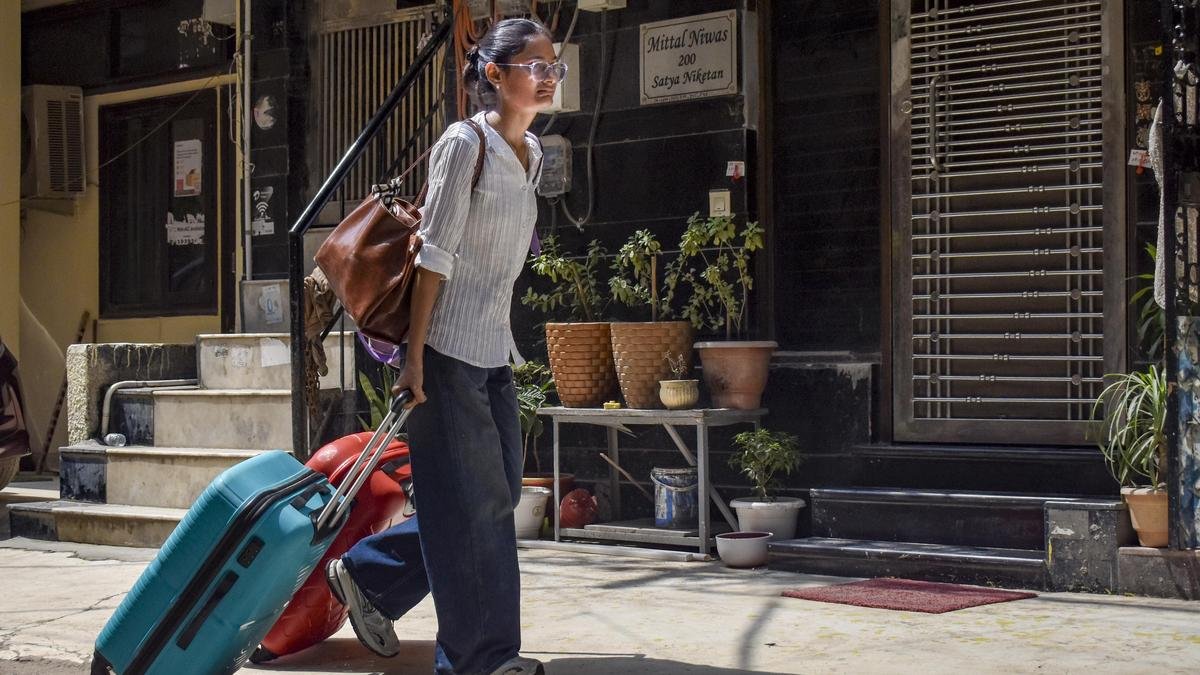
The collapse of the “Hostel Daze” building in Delhi’s Satya Niketan, which claimed the lives of six students and a labourer in September 2026, was not merely a tragic accident. It was the violent manifestation of a systemic failure in Indian higher education. For decades, neighbourhoods surrounding major universities have functioned as de facto dormitories, absorbing the overflow of students that institutions themselves cannot house. However, as these aging residential structures reach their breaking point, the “shadow rental economy” of Paying Guest (PG) accommodations is proving to be a dangerous, unregulated trap for the nation’s youth.
The Gap Between Enrollment and Infrastructure
The core of the crisis lies in a massive infrastructure deficit. According to the All India Survey on Higher Education (AISHE), roughly 15% of universities in India do not possess a single hostel facility. Even when facilities exist, the capacity is rarely sufficient to accommodate the student body.
This scarcity forces students into a precarious private market. Furthermore, bureaucratic hurdles—such as income-based eligibility criteria at premier institutions like the Tata Institute of Social Sciences (TISS)—exclude students who, while technically above an arbitrary income threshold, still lack the financial means to survive in expensive metropolitan rental markets. For these students, the academic pursuit is overshadowed by the crushing burden of high rents and the desperation of finding a roof, however unsafe, near their campus.
Centralized Exams and the Migration Challenge
The geography of Indian higher education exacerbates this housing precarity. Because national entrance examinations like NEET (for medical seats) and various centralized admission processes route students to colleges hundreds, sometimes thousands, of kilometers from their homes, students are often forced to move to unfamiliar, high-cost cities.
In a system where States cap seat reservations for their own residents, millions of students become internal migrants. Unlike previous generations who might have relied on campus safety nets, today’s students often find these nets frayed or non-existent. When official university hostels become unhealthy—marked by poor sanitation or disease outbreaks—students are forced into the private sector, where they lack both bargaining power and legal protection.
Safety, Discrimination, and the Duty of Care
The private housing market for students is largely devoid of oversight. Many PGs are former family homes converted into overcrowded, crumbling warrens that do not meet municipal safety codes. Beyond physical hazards like mold and structural decay, the rental market is also deeply fractured by discriminatory practices. Studies have repeatedly shown that Muslim and Dalit students face significant barriers in securing housing, often forced to pay higher prices for substandard accommodation compared to their peers.
As it stands, the University Grants Commission (UGC) provides no binding framework that requires universities to guarantee housing or even provide a vetted, safe list of off-campus options. Consequently, universities often view housing as a tertiary concern rather than a fundamental duty of care.
Policy Shifts Over Performative Outrage
The pattern of tragedy in cities like Delhi—from flooding basements to collapsing buildings—has historically been met with a cycle of performative outrage, FIRs against property operators, and little long-term structural reform.
Education experts argue that the solution requires a fundamental shift: universities must transition from treating student housing as a peripheral issue to integrating it into their core academic mandates. This includes the development of municipal-level regulations specifically for “student housing” that prioritize safety and hygiene over profit margins. Until the state and the universities take responsibility for the basic security of their students, the pursuit of a degree will remain, for many, a dangerous test of survival rather than a path to opportunity.
Disclaimer: This content is auto-generated for informational purposes only.
Source: Read Original News