







Bridging Divides: Karnataka and Maharashtra Groups Unite to Champion Language Equality
In a move that has surprised political observers and social media users alike, the Karnataka Rakshana Vedike (KRV) and the Maharashtra Navanirman Sena (MNS)—two organizations long known for their fierce territorial and linguistic disputes—have met to discuss a unified front against Hindi imposition.
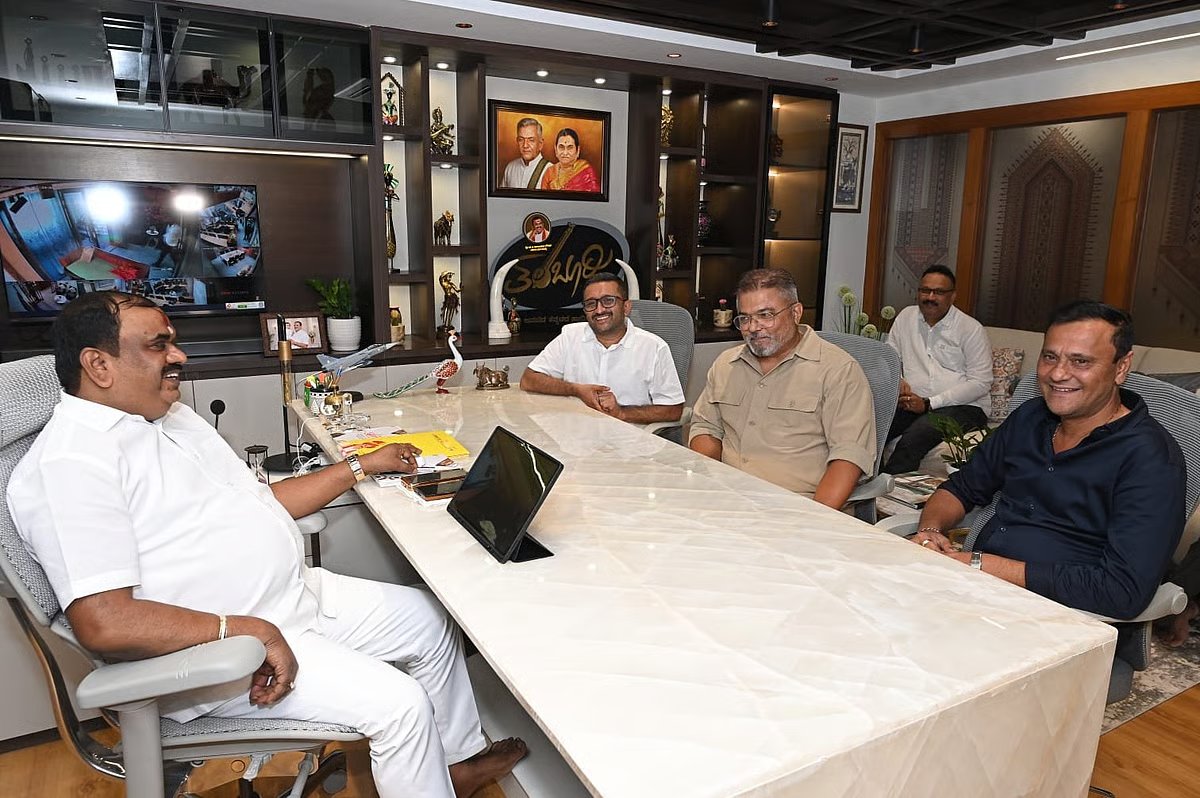
The two-day meeting, held in Bengaluru on August 29 and 30, saw KRV leader Arun Javgal host MNS general secretary Yogesh Parolekar and Mumbai president Sandeep Deshpande. While the two groups have historically clashed over border disputes and state-level linguistic interests, the leadership is now emphasizing a shared vision for a more federal India and the protection of regional identities.
A Strategic Alliance
For Arun Javgal, the meeting was a “long-pending” step toward a broader goal. “For more than two decades, both KRV and MNS have been fighting against Hindi imposition and for the linguistic and employment rights of our respective people,” Javgal said. He noted that while their past interactions were largely confined to online support, the core mission of protecting regional languages has always provided a common foundation.
Javgal explicitly addressed the tensions between the two states, noting that despite ongoing disputes regarding the Cauvery river and border demarcations, the two organizations recognize that the challenges facing regional languages require a broader, national strategy. “The fight against Hindi imposition is not a Karnataka-versus-Maharashtra issue. It concerns linguistic equality, the rights of all Indian languages, and a genuinely federal India,” he added.
Pushing for Federalism and Inclusion
The KRV leadership intends to use this momentum to build a national-level forum to advocate for language equality. The proposed forum would aim to unite groups from various states, including West Bengal, Punjab, Tamil Nadu, Kerala, Odisha, and Telangana.
A key objective of the movement is to challenge the current status of the Eighth Schedule of the Constitution. Javgal cited the 2004 Sitakant Mohapatra report, which recommended the inclusion of over 30 languages in the Eighth Schedule. He argued that the Union government has deliberately kept these languages grouped under “Hindi” to artificially inflate the number of Hindi speakers, thereby suppressing the linguistic autonomy of groups like the Awadhi, Bhojpuri, and Rajasthani speakers.
From Policy to Protests
Javgal emphasized that language rights are inherently tied to democratic participation and federalism. He pointed to Article 343, which designates English and Hindi as the sole official languages of the Union. Because draft policies and laws are primarily published in these two languages, Javgal argued that millions of citizens are effectively disenfranchised from the policymaking process.
“We don’t have the right to participate in policymaking in our languages, and we are a democracy,” he said. The reach of these policies extends to daily administration, including banking forms, competitive examinations, and even the GST Council, where state voting rights dictate how funds are allocated for regional development.
Looking Toward Delhi
The coalition is now setting its sights on February 21, 2025—International Mother Language Day. The groups plan to organize a major event in Delhi to bring together language rights activists from across the country to discuss the future of Indian federalism.
By seeking to engage not only with regional parties but also with groups fighting for the rights of languages currently subsumed under the Hindi umbrella, the KRV and MNS are attempting to shift the discourse. Rather than focusing on historical friction, the organizers hope to foster a national movement that views linguistic diversity as the backbone of a true, functioning Indian democracy.