








International Education Expert Reflects on India’s Education Protests and the Sector’s Role
An individual with nearly two decades of experience in international education leadership has offered a critical reflection on the recent student and teacher protests in India, questioning the sector’s apparent reticence to engage with domestic educational challenges. For years, this expert and others in the field have specialized in promoting overseas education systems, highlighting the benefits of British independent thinking or the flexibility of American degrees to families in cities like Mumbai, Chennai, and Gurugram. They serve as a bridge, connecting Indian students to international educational opportunities.
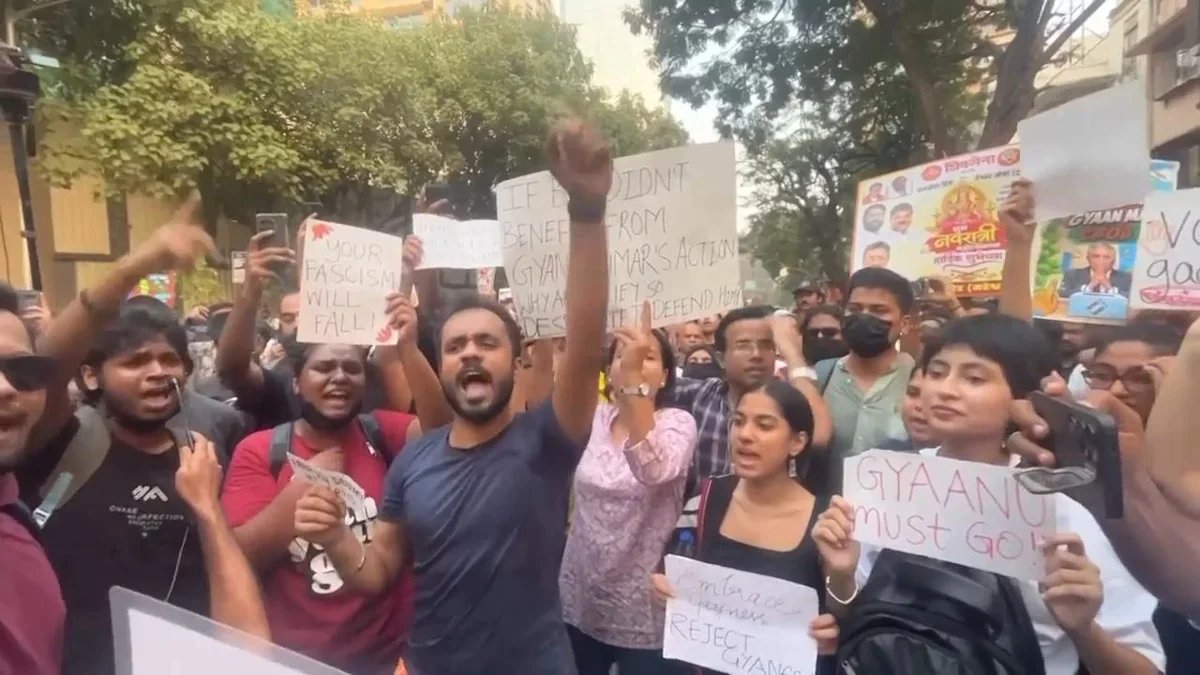
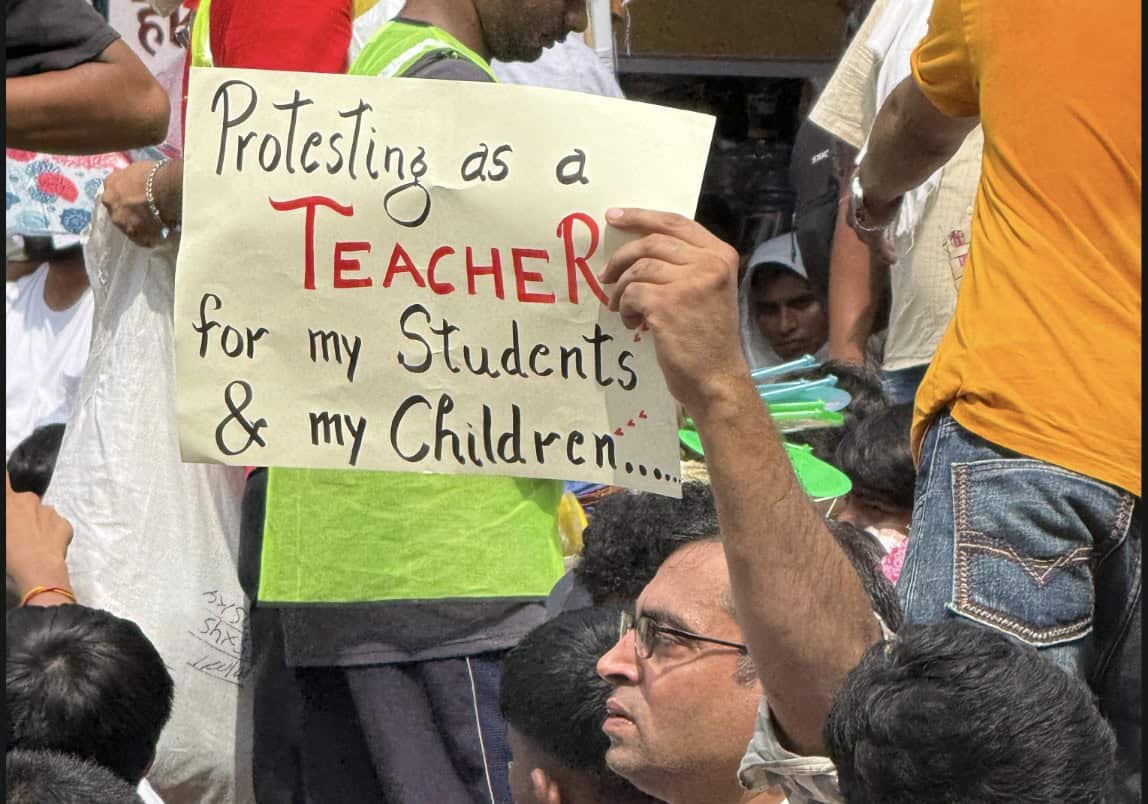
Last month, widespread protests erupted across India, including in New Delhi, where the expert personally witnessed and engaged with the demonstrating students and teachers. The protests, initially sparked by leaked exam papers, quickly evolved into a broader discourse on accountability, assessment methods, student pressure, institutional trust, and the vision for a more equitable education system.
The expert noted a striking familiarity in the questions being raised by the Indian protestors, recognizing them as the very issues they had built a career addressing, albeit typically in the context of foreign education systems. This realization prompted a significant introspection within the international education community. Many professionals in this sector have dedicated their careers to understanding and explaining effective educational practices elsewhere, turning this knowledge into a livelihood by promoting the merits of overseas education to Indian families.
The expert expressed that this moment, focused on improving domestic education using the same expertise applied to international systems, felt like more than just a news story. It presented an opportunity to contribute, to listen, and to stand in solidarity with the very students, teachers, and families they serve in their professional lives, but this time, closer to home.
However, the expert observed a notable "quiet" within the sector – not an absolute silence, but rather an absence of the usual fluency and engagement that characterizes discussions about international education. This perceived lack of immediate and vocal participation from those who expertly articulate global educational standards was described as curious, prompting questions about the sector’s self-perception and role.
The international education sector is known for its strong internal networks, marked by numerous conferences, receptions, and familiar faces. The expert wondered if the Indian protests could have been another such gathering, but with a different purpose: a forum for showing up, asking critical questions, and actively listening to domestic concerns.
While acknowledging that participation requires personal conviction and is not something to be demanded of others, the expert emphasized a smaller, yet significant point. The expertise routinely used to explain "what works elsewhere" could have been directed inward, contributing to conversations, articles, honest recommendations, or simply a visible presence. This, they argued, would not necessarily involve endorsing every demand or taking a political stance, but rather offering useful contributions.
The expert highlighted that evaluating the credibility of institutions beyond marketing and understanding the true essence of a student beyond a transcript are core competencies of the sector. Similarly, the knowledge acquired about helping young people adapt to unfamiliar systems is highly relevant. None of these skills, they posited, required a definitive position on India’s assessment policy. Instead, it simply called for the same level of care and attention brought to international contexts to be extended domestically – engaging with students and teachers, listening to their concerns, and helping to articulate their feelings into clearer problems with potential solutions.
Concluding without a definitive answer, the expert affirmed their continued belief in the value of their work after two decades. However, the experience left them contemplating the potential and significance of occasionally directing their considerable expertise homeward, not as a political stance, but simply as a meaningful way of showing up and contributing.