







FOREST, Va. — A major infrastructure milestone has been reached in Central Virginia this week as Comcast’s Xfinity brand officially finalized a massive broadband expansion project. The initiative has successfully brought high-speed fiber and cable internet connectivity to nearly 7,000 homes and businesses in Forest, marking a significant step forward in closing the digital divide for residents who have historically had limited choices for reliable high-speed data.
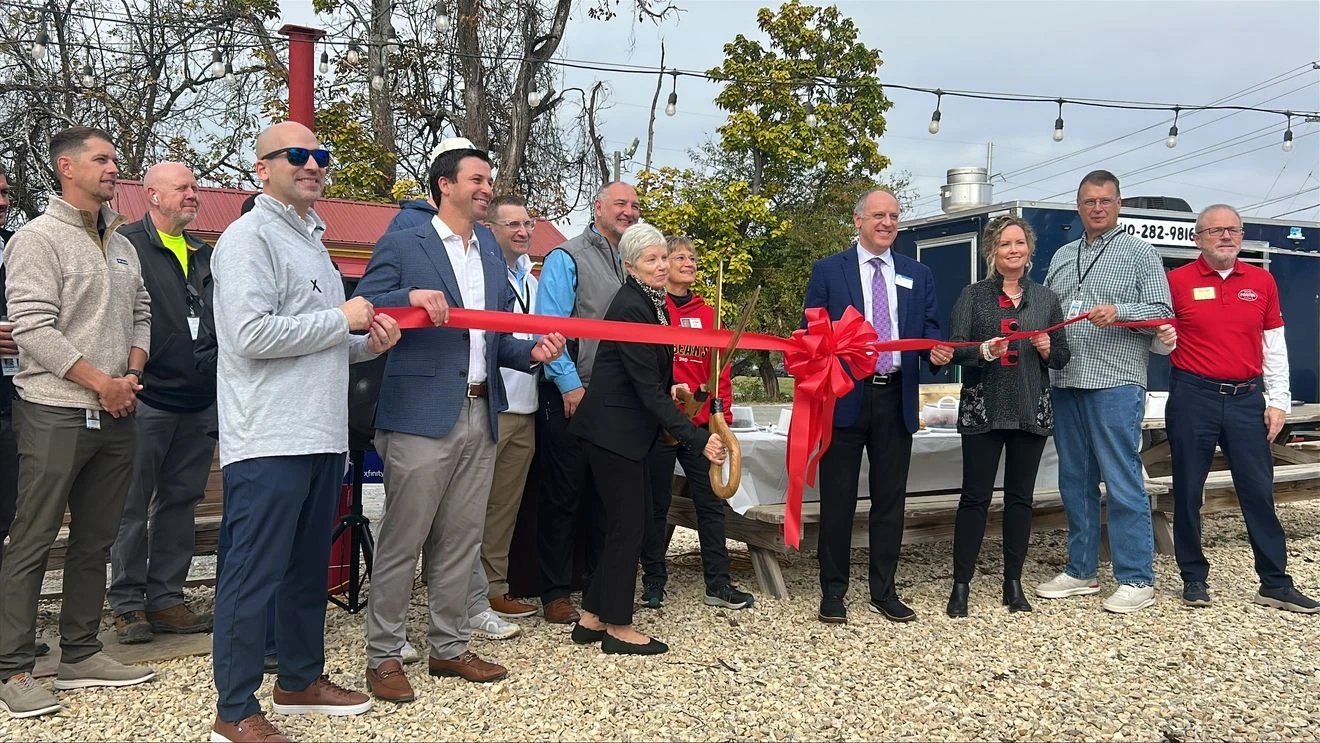
The project culminated in a ceremonial ribbon-cutting event on Wednesday, highlighting the growing trend of infrastructure investment aimed at supporting the digital economy. Local officials and small business owners gathered to celebrate the arrival of a new competitor in the market, noting that increased competition is a vital driver for service reliability and technological innovation.
Fueling Business Growth and Digital Transformation
For local entrepreneurs, the arrival of upgraded connectivity is more than just a convenience; it is an essential operational requirement. Linda Brown, the CEO and founder of the local establishment Joe Beans, noted that the stability of the new network has been a transformative asset for her daily operations.
In an era where modern businesses rely heavily on cloud-based point-of-sale systems, real-time inventory management, and high-speed credit card processing, downtime is not an option. According to Brown, the reliability of the Xfinity service has eliminated previous connectivity concerns, allowing her team to focus on customer service rather than technical troubleshooting. As small businesses increasingly integrate AI-driven customer service bots, automated supply chain management, and digital loyalty programs, the underlying broadband infrastructure becomes the bedrock upon which modern competitive advantage is built.
A Broad Strategy for Regional Connectivity
The Forest expansion is not an isolated development but rather a calculated component of Comcast’s wider mission to bolster digital infrastructure throughout Central and Southwest Virginia. As the telecommunications industry continues to pivot toward high-bandwidth, low-latency requirements necessitated by streaming, remote work, and smart-home technology, providers are facing increased pressure to modernize legacy networks.
Xfinity is currently juggling a pipeline of similar initiatives across the state. Projects are already in motion in Buchanan, Campbell County, and Lynchburg, reflecting a broader industry trend of aggressive geographic expansion. Furthermore, the company has confirmed it is deep into the development stages for the town of Bedford, where approximately 4,500 additional homes and businesses are slated to gain access to next-generation internet speeds in the near future.
The Future of Smart Infrastructure
The rapid deployment of these broadband services is timely, as the integration of “smart” technologies becomes the standard for residential living. From AI-enabled home security systems that process video feeds in the cloud to the increasing demand for high-definition telepresence in remote work environments, the technical specifications for modern broadband are higher than ever.
By investing in these areas, providers like Comcast are effectively laying the groundwork for the next wave of internet-connected consumer electronics. Tech industry experts suggest that as infrastructure improves in these regions, residents will be better positioned to adopt sophisticated smart home ecosystems that require stable, high-speed throughput.
As the digital landscape evolves, the focus for both providers and policy leaders remains centered on the “last mile”—the physical connectivity that bridges the gap between major fiber backbones and individual end-users. With the Forest project now fully online, the region is better equipped to handle the bandwidth-heavy demands of the modern internet age, ensuring that Virginia remains competitive in the evolving landscape of global technology.
Disclaimer: This content is auto-generated for informational purposes only.
Source: Read Original News