



Health-Tech Surge: Nine in Ten Indians Rely on Wearables as Preventive Wellness Takes Center Stage
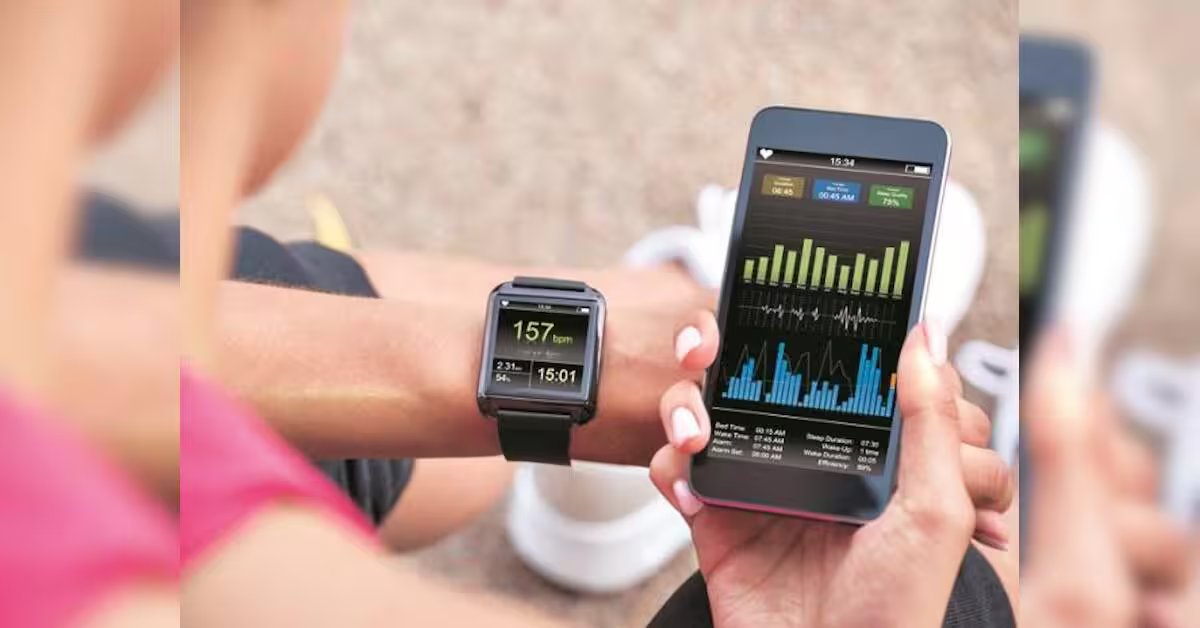
India is witnessing a profound shift in consumer behavior, with health and wellness now at the forefront of daily life. A comprehensive report by PwC India, the “Voice of the Consumer 2026,” reveals that an overwhelming 90% of Indian consumers are now utilizing health apps or wearable devices to monitor their well-being. This widespread adoption signals a transition toward a proactive, data-driven approach to health management that far outpaces global trends.
The Quest for Clinical Credibility
As the digital health landscape matures, Indian consumers are becoming increasingly discerning. The study highlights a distinct trend: 81% of Indian respondents expressed a willingness to pay a premium for wellness technology that offers verifiable data, specifically if that information can be reviewed and validated by healthcare professionals. This figure stands in stark contrast to the global average of 65%, underscoring a uniquely high demand in India for clinical credibility in consumer-grade wellness tools.
“Businesses must recognize that trust is the new currency in the wellness sector,” the report suggests. To capture this evolving market, companies across the food, personal care, and apparel industries must shift their focus toward transparency. Substantiated health claims, rigorous data protection, and clear sourcing are no longer optional but essential to building lasting consumer loyalty.
Nutrition Trends and Growing Safety Concerns
The Indian consumer is not just tracking data; they are increasingly focused on the quality of their intake. According to the PwC survey, Indians are significantly more disciplined regarding their nutritional metrics compared to their global counterparts. Over half of the Indian respondents (53%) actively track protein intake, while 50% monitor fiber and 49% watch calorie consumption.
However, this heightened awareness is accompanied by significant anxiety regarding food safety. Approximately 71% of Indians expressed severe concern over the presence of pesticides in their food, while 67% are worried about the prevalence of microplastics—a concern that resonates much more strongly in India than it does globally.
Balancing Aspirations with Daily Realities
While the ambition to live a healthy lifestyle is widespread, the path to achieving it is fraught with obstacles. Nearly all Indian respondents (97%) intend to integrate sleep, nutrition, fitness, and mental health into a cohesive long-term wellness plan. Yet, the pressures of modern life persist; 67% of those surveyed cited chronic fatigue, stress, and low energy levels as the primary barriers preventing them from hitting their health targets.
Despite these hurdles, the commitment to movement remains robust. Daily physical activity is a standard for 42% of Indian consumers, significantly higher than the 19% recorded globally.
Segmented Strategies for a Diverse Market
To navigate this landscape, PwC has categorized Indian consumers into five distinct segments. The “data-driven optimisers” (29%) and “value-seeking optimisers” (21%) currently lead the charge in wellness engagement. Rounding out the groups are “social wellness seekers” (19%), “holistic harmonisers” (13%), and a smaller segment of “low-engagement consumers” (19%).
As the market continues to expand, brands will need to adopt highly differentiated strategies. Whether through longevity-focused functional nutrition—where interest in high-protein and gut-health products is soaring—or personalized digital health platforms, companies that provide convenient, expert-backed, and transparent solutions are best positioned to thrive in India’s booming preventive healthcare ecosystem.
Disclaimer: This content is auto-generated for informational purposes only.
Source: Read Original News