








Media Giants Challenge India’s Data Privacy Law in Supreme Court
A coalition of 21 prominent digital news organizations has mounted a significant legal challenge against India’s recently enacted data privacy framework, arguing that the legislation poses a direct threat to the foundations of investigative journalism. The Digital News Publishers Association (DNPA)—which includes major outlets such as NDTV and CNN-News18—has petitioned the Supreme Court to strike down key provisions of the law, claiming it compromises the safety of confidential sources and hampers the ability of reporters to hold power to account.
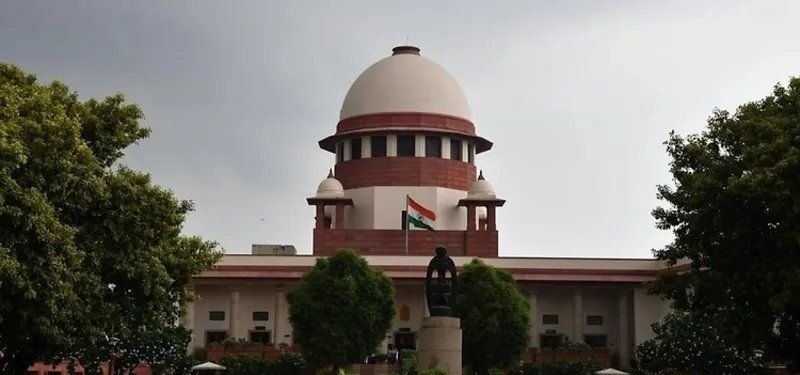
The Supreme Court is set to begin hearing the petitions on Tuesday before a bench presided over by Chief Justice Surya Kant. At the heart of the dispute is the Digital Personal Data Protection Act, introduced by Prime Minister Narendra Modi’s administration last year with the stated goal of bolstering digital privacy for Indian citizens and imposing stricter regulatory oversight on global technology giants like Google and Meta.
Press Freedom Concerns
While the government maintains that the law is a necessary measure to regulate the digital ecosystem, the DNPA argues that it fails to account for the unique operational requirements of the media industry. The petition asserts that the absence of specific exemptions for journalistic activities effectively renders common investigative practices illegal.
The petitioners express alarm that the law creates a legal environment where news organizations could be held liable for processing personal information without explicit individual consent. Legal experts representing the media houses suggest that this requirement creates an insurmountable barrier for investigative reporting, where journalists frequently interact with private data to uncover corruption, expose malpractice, or report on matters of public interest.
Risk to Confidential Sources
Beyond the administrative burdens, the media organizations have raised grave concerns regarding the sanctity of whistleblowers and anonymous sources. Under the current structure of the data law, there are fears that the government could leverage its provisions to demand access to datasets held by news outlets.
If forced to comply with broad government requests for data under the guise of privacy enforcement, media houses could be compelled to reveal the identities of individuals who provide sensitive information on the condition of anonymity. Journalists argue that such a scenario would create a “chilling effect” across the industry, deterring informants from coming forward and effectively silencing investigative pieces that rely on protected communications.
A Constitutional Conflict
The legal battle marks a high-stakes clash between the government’s push for comprehensive data regulation and the constitutional right to freedom of the press. By failing to carve out an exception for news media, the law is being viewed by its critics as an overreach that prioritizes algorithmic compliance over democratic accountability.
As the matter heads to the Supreme Court, the outcome will likely have far-reaching implications for how Indian media organizations manage their archives, conduct research, and communicate with the public. For now, the DNPA is seeking a definitive ruling to ensure that the pursuit of truth is not hindered by the very legislation intended to protect digital safety. The proceedings are expected to draw significant attention from civil rights advocates, legal scholars, and the broader global press community.
Disclaimer: This content is auto-generated for informational purposes only.
Source: Read Original News