








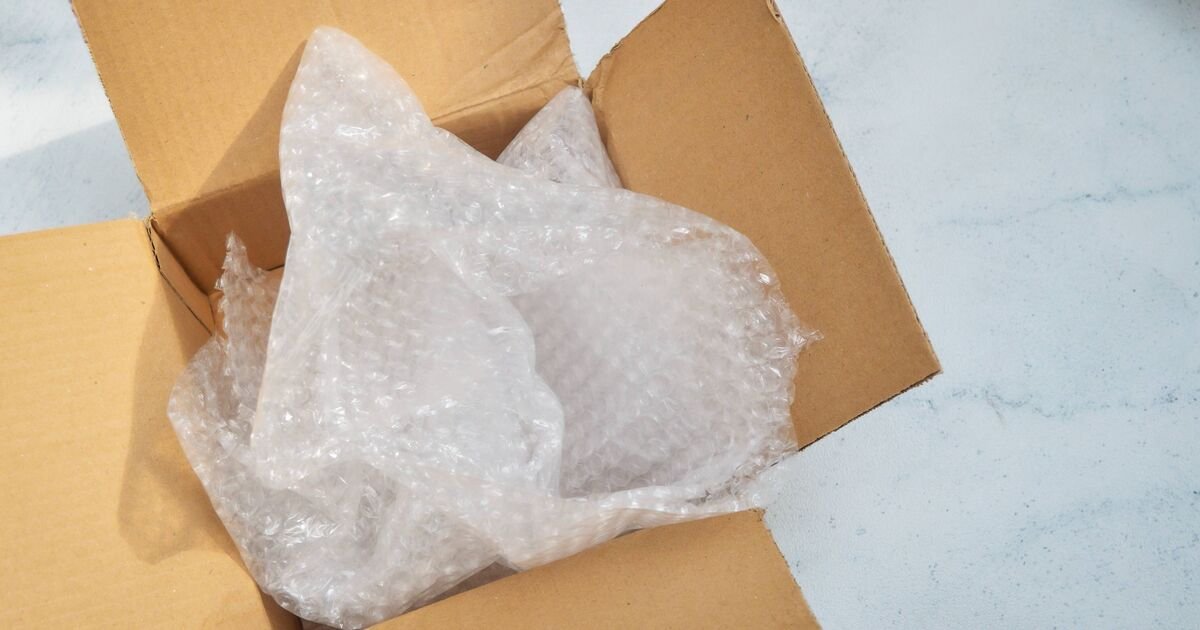
The air has turned crisp, the mornings are greeted with a silvery sheen of frost, and our sweaters have officially migrated from the back of the closet to the front. While we focus on layering up with scarves and thick knits, it is easy to forget that our gardens are facing the exact same chilly reality. If you have been busy collecting delivery boxes, you are likely sitting on a goldmine of insulation that can save your favorite greenery this winter: bubble wrap.
It might seem like a strange addition to your landscaping toolkit, but this household staple is a gardener’s secret weapon when temperatures take a nosedive. Before the winter freeze settles in for good, here is how you can use that leftover packaging to keep your garden thriving through the dark months.
The Magic of Repurposed Packaging
We all know the satisfaction of popping a few air pockets after unboxing a new purchase, but most of that plastic ends up in the bin. This season, pause before you toss it. Using existing materials is a smart, budget-friendly way to protect your plants from the biting cold. By recycling what you already have, you save money and keep unnecessary waste out of landfills. Whether you have large sheets from furniture deliveries or small strips from smaller packages, it all serves a purpose in your outdoor space.
Securing Your Potted Friends
The most vulnerable parts of container plants are often the roots. When a pot sits on a cold patio or balcony, the temperature of the soil can drop far lower than the surrounding air, which can be fatal for tender species. Wrapping the exterior of your pots in a layer or two of bubble wrap acts as a cozy jacket.
Secure the plastic around the sides of the pot using garden twine or tape. This extra layer keeps the chill away from the root ball, ensuring your plants stay insulated even when the mercury hits freezing. Just keep in mind that you should never wrap the foliage itself in plastic for long periods. Plants need to breathe, and direct contact with plastic can trap humidity, leading to rot. Focus your efforts on the pot itself to provide warmth where it counts.
Boosting Greenhouse Efficiency
If you are lucky enough to have a greenhouse, you know that keeping the temperature steady once the sun goes down is a constant battle. This is where bubble wrap truly shines as a structural insulator. Lining the interior walls of your greenhouse with sheets of bubble wrap creates a thermal barrier that helps trap heat inside.
This simple step can make a significant difference, especially if you are overwintering delicate plants that would otherwise perish in the frost. It reduces the need for artificial heating, which is better for your wallet and more sustainable for the planet. It is an easy DIY project that can be done over a weekend, providing peace of mind as the season turns harsh.
The Importance of Timing and Maintenance
Gardening is all about rhythm, and winter requires a bit of extra attention to detail. While bubble wrap is a fantastic insulator, it is not a “set it and forget it” solution. During those rare, mild spells when the sun comes out and the temperature climbs, it is helpful to loosen or remove the coverings to allow for proper airflow. This prevents the buildup of stagnant moisture that can lead to fungal issues.
Think of it like dressing yourself for the weather; you take your heavy coat off when you step into a warm room. Keep an eye on your local forecast, and if the temperature is set to rise, give your plants a little breathing room. When the clouds gather and the frost warning returns, simply wrap them up again to see them through the night.
By taking these small steps now, you are ensuring that come spring, your garden will wake up happy, healthy, and ready to bloom. It is a practical, resourceful way to bridge the gap between late autumn and the first signs of new life, proving that the best tools for the job are often the ones you already have in your recycling bin.
Disclaimer: This content is auto-generated for informational purposes only.
Source: Read Original News