








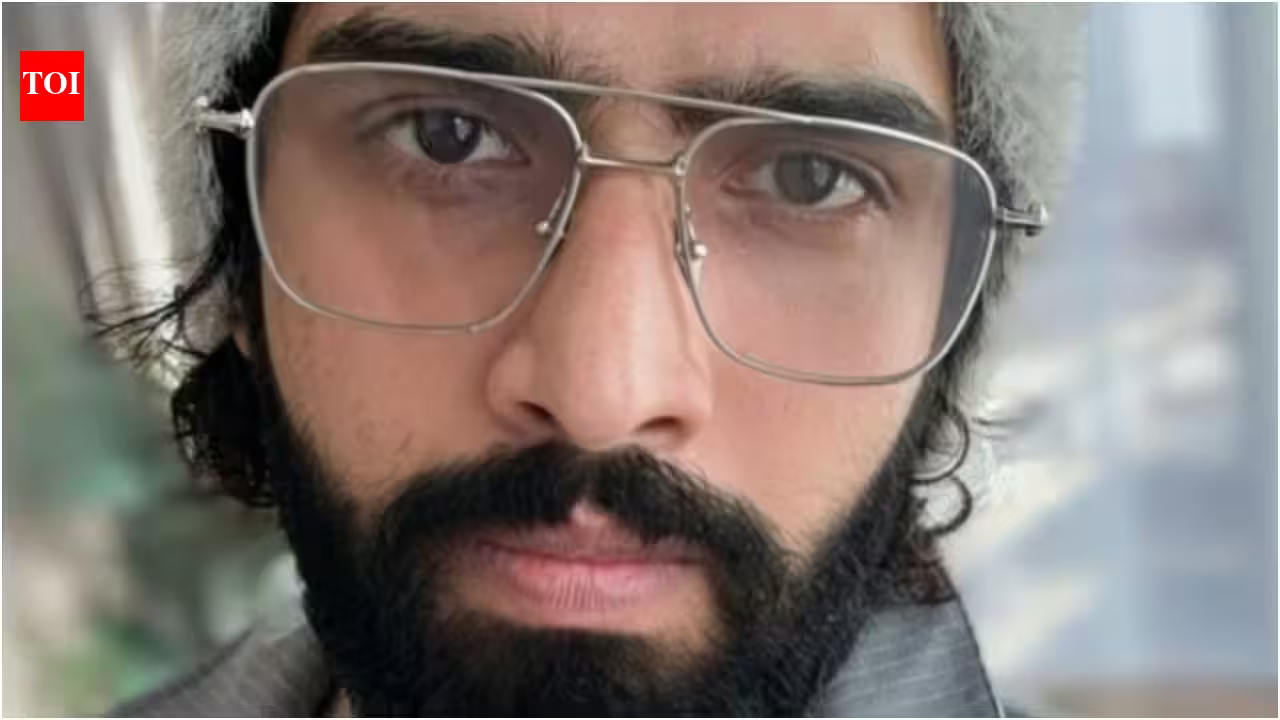
In the high-stakes, hyper-connected world of Bollywood, credits are more than just text on a screen—they are the currency of a creator’s career. For Amaal Mallik, one of the most prolific music composers of the modern era, a recent anniversary tribute by Salman Khan Films (SKF) felt less like a celebration and more like an erasure. What began as a simmering grievance over missing attribution for the hit track “Main Hoon Hero Tera” has now erupted into a full-scale public confrontation, with Mallik drawing a firm line in the sand where his family’s honor is concerned.
The controversy centers on an anniversary post for the 2015 film Hero, in which the production house highlighted the song—a massive chartbuster—while omitting Mallik’s name as the composer. Mallik, never one to shy away from speaking his truth, took to the comments section of the official post before escalating his stance on X (formerly Twitter). His message was clear: he can handle the criticism leveled at his professional choices, but the moment the vitriol touches his family, the gloves are officially off.
The Trigger: When Credit Where Credit Is Due Becomes an Oversight
At the heart of the frustration is the collaborative nature of “Main Hoon Hero Tera.” Mallik, ever the realist, acknowledges that Salman Khan’s version of the song played an instrumental role in its massive commercial reach. However, he remains adamant that the song’s existence—its melody, its soul, and its initial vocal presentation by his brother, Armaan Malik—would not exist without the fundamental work done by him and lyricist Kumaar.
“Without me and Kumaar sir, there would be no song to sing,” Mallik stated, framing his argument around the collaborative process that gets lost in the glitz of superstar-led marketing. By omitting his name, the composer argues that the production house inadvertently sidelined the architect of the very anthem they were celebrating. For an artist who has spent two decades—starting from the tender age of 16—carving out a niche in a notoriously political industry, such an oversight feels like a deliberate slight rather than a technical error.
Protecting a Musical Dynasty
Mallik’s defense is deeply rooted in his lineage. He is a scion of a musical family that has contributed to the fabric of Indian cinema for 76 years. His grandfather, the legendary Sardar Malik, laid a foundation that his father, Daboo Malik, continued to nurture. When Mallik speaks of his family, he isn’t just talking about his immediate kin; he is talking about the stewardship of a legacy that predates the current internet-driven culture of “nepotism” accusations and troll armies.
He expressed a deep-seated weariness with the labels constantly thrown at his family. “Calling it luck or nepotism, mud-slinging time and again—I am sick of each and everything at this point,” he wrote. For Amaal, the attacks on his brother Armaan, who merely stood in support of the creative truth, were the final straw. He views the internet’s penchant for anonymous harassment as a coward’s game, one that he is no longer willing to play by the rules of “polite discourse.”
The ‘Sanjay Dutt and Salman Khan’ Temper
Perhaps the most striking element of Mallik’s outburst is the vivid imagery he uses to describe his threshold for tolerance. In a candid admission of his own nature, he declared, “Music ka SRK hoon main, magar gussa mera Salman Khan aur Sanjay Dutt wala hai.”
It is a fascinating, if aggressive, juxtaposition. By calling himself the “SRK of music,” he identifies with the romantic, melodic, and mainstream appeal he brings to the table. By invoking the legendary temperaments of Salman Khan and Sanjay Dutt, he warns his detractors that while he may be a man of melody, he is not a man to be trifled with. It is a “statutory warning” to those who assume his professional demeanor implies a lack of backbone. He has signaled that while others may choose to look the other way when disrespected, the Malik household is a protected fortress.
Escalating to the Legal Front
Mallik is not merely venting into the digital void; he is mobilizing. He has explicitly stated that his next move involves tracking the IP addresses of those who cross the line into harassment and threats, promising to file First Information Reports (FIRs). This pivot from online debate to legal action marks a significant shift in how artists are starting to handle the toxicity of social media.
By threatening to expose the individuals behind the anonymous accounts, Mallik is attempting to bridge the gap between digital anonymity and real-world consequences. It is a bold, risky move that challenges the status quo of online harassment, signaling that the era of influencers and trolls thinking they can bully public figures without retribution may be facing a reckoning.
The Price of Collaboration
The relationship between Amaal Mallik and Salman Khan has been a symbiotic, albeit complex, one. From Jai Ho to Kisi Ka Bhai Kisi Ki Jaan, Mallik has been a recurring creative partner for the superstar. History has shown that music directors and star-producers often have a complex power dynamic, where the star’s voice and image tend to dwarf the composer’s contribution.
However, Mallik’s public stand suggests that the tide may be turning. As digital platforms continue to democratize the conversation, creators are becoming increasingly vocal about their right to be recognized. Whether this leads to a reconciliation or a permanent rift in their professional relationship remains to be seen. What is certain, however, is that Amaal Mallik has made it clear: he is a partner, not a servant to the process. He expects the same level of respect that he brings to the studio, and he is willing to burn bridges to ensure that his family’s name remains untarnished by the noise of the internet.
As the industry watches, the question remains: will the giants of Bollywood take note of the demand for professional equity, or will this simply be another chapter in the messy history of musical credits? For now, Mallik has set the stage, and the message is loud and clear: play by the rules of mutual respect, or prepare for the consequences.
Disclaimer: This content is auto-generated for informational purposes only.
Source: Read Original News