








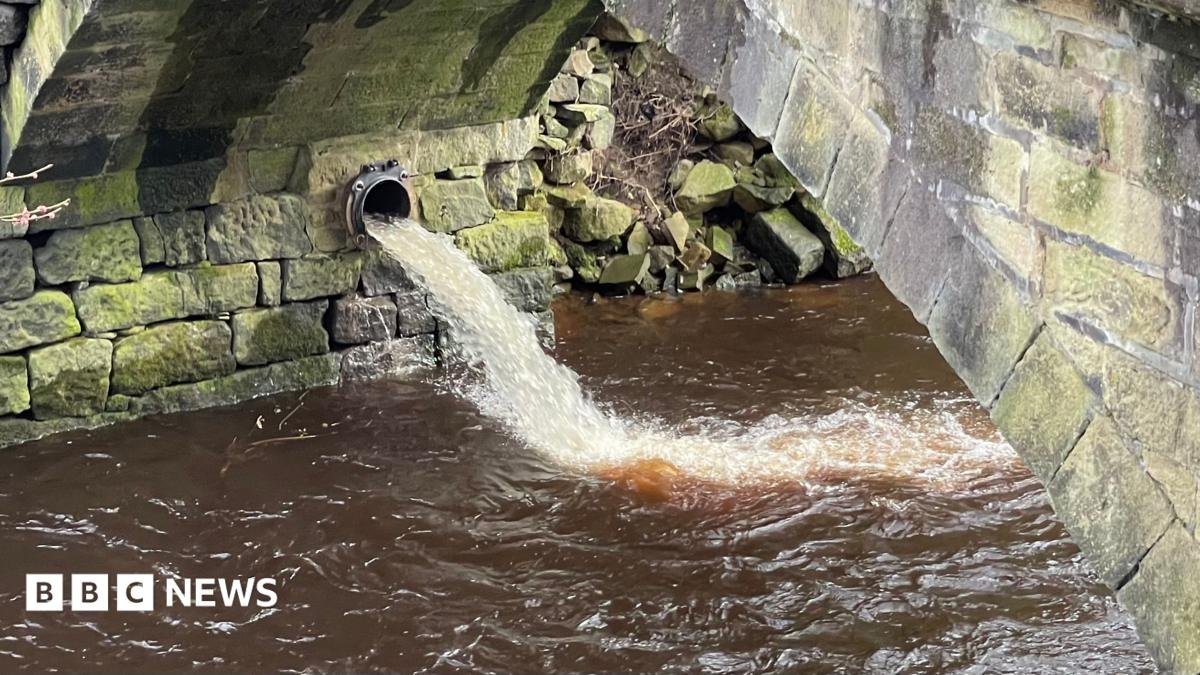
Yorkshire Water has been officially downgraded to the lowest possible environmental rating by the Environment Agency (EA) following a significant surge in pollution incidents. The regulator has stripped the company of its previous two-star status, reclassifying it as a “poor performing company” with a one-star rating, marking a new low in the firm’s recent environmental record.
The classification is part of the EA’s annual Environmental Performance Assessment, which benchmarks England’s nine major water and sewerage companies based on their impact on rivers, streams, and coastal waters. For the 2.4 million homes served by Yorkshire Water, the news highlights a deepening crisis in infrastructure management and regulatory compliance.
Data released by the regulator confirms that the company was responsible for 260 pollution incidents in 2025. This figure represents a staggering 70% increase compared to the 151 incidents recorded the previous year, marking the highest volume of pollution events for the company since 2011. Beyond the raw number of spills, the firm also failed to meet legal requirements regarding environmental infrastructure, specifically missing deadlines for six mandated schemes in west Leeds.
The Environment Agency’s assessment serves as a blunt appraisal of the industry’s ongoing struggle to manage sewage and protect waterways. By dropping to the bottom tier of performance, Yorkshire Water now faces increased scrutiny and pressure to rectify what has become a systemic failure in operational reliability.
Responding to the downgrade, Stephanie Pullan, Yorkshire Water’s Director of Asset Management, acknowledged the gravity of the situation. “Our pollution performance isn’t where it needs to be, and we haven’t delivered on time six of our Water Industry National Environment Programme schemes,” Pullan stated. She noted that the company is currently pivoting its operational strategy to focus on predictive maintenance and long-term asset investment to mitigate the risk of further failures.
In an effort to turn the tide, the company has pledged a £8.3bn investment package slated for the 2025–2030 period. A primary component of this financial commitment includes £1.5bn specifically earmarked to reduce discharges from storm overflows—the controversial mechanisms that release diluted sewage into natural waterways during periods of heavy rainfall. The firm added that 300 smaller environmental schemes have been delivered across the region since April 2025 as part of its ongoing efforts to catch up.
However, the scale of the required improvements has sparked concerns regarding the source of the funding. Yorkshire Water has confirmed that the vast majority of the £8.3bn investment will be financed through customer bills. This prospect places the company at the center of a growing national debate over the balance between the urgent need for environmental remediation and the rising cost-of-living pressures facing households.
For environmental campaigners, the figures serve as further evidence that current investment models have failed to keep pace with the demands of an aging sewer network and an increasingly volatile climate. As the regulator moves to implement closer oversight, the pressure is mounting on Yorkshire Water to demonstrate that the pledged billions will lead to a tangible, measurable reduction in the pollution that has recently characterized its regional performance.
Disclaimer: This content is auto-generated for informational purposes only.
Source: Read Original News