







Elderly Motorists Warned Over “Nine-Second” Blindness Risk from Nighttime Headlight Glare
Motorists over the age of 65 are being urged to exercise extreme caution when driving after dark, as new data highlights a significant decline in the eye’s ability to recover from intense headlight glare.
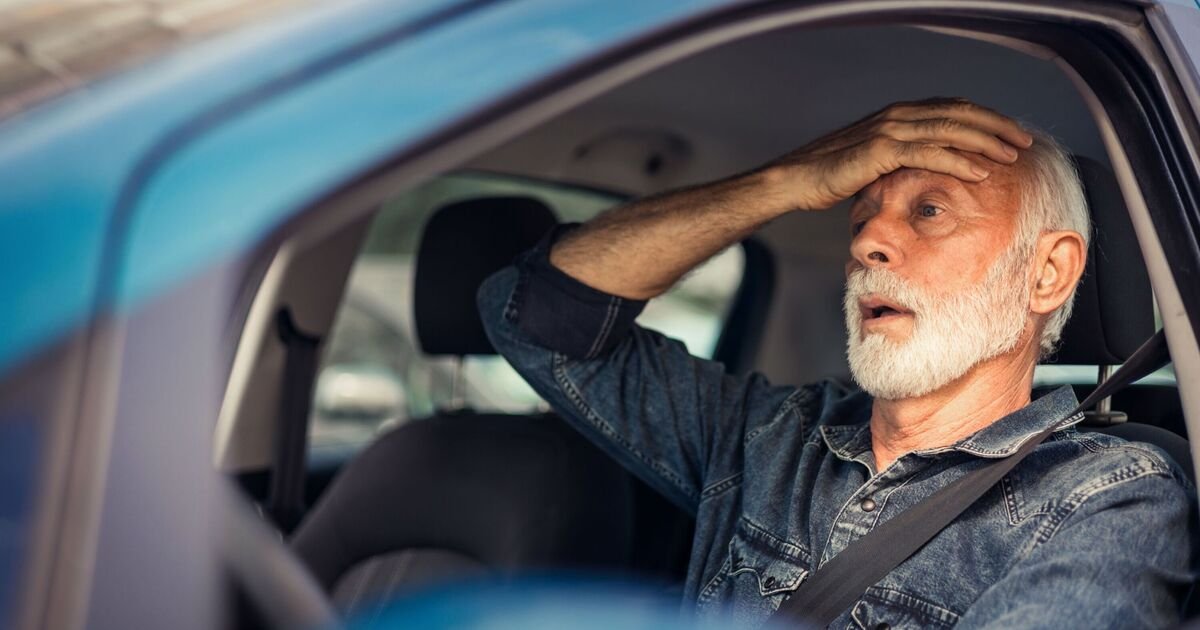
Experts from The Older Drivers Forum have issued a sobering “nine-second” warning, explaining that as the human eye ages, it struggles to recalibrate after being exposed to bright light. While a younger driver might experience only a fleeting moment of visual disruption when meeting oncoming traffic, older road users face a much more dangerous reality.
The Science Behind the Delay
According to experts, the recovery time for the eye following exposure to glare increases dramatically between the ages of 15 and 65, leaping from a mere two seconds to as long as nine seconds. During this window of time, elderly drivers may be effectively blinded, significantly increasing the risk of failing to spot hazards, pedestrians, or road obstacles.
“Your eyesight changes in later life, and this may make it harder to see road signs and other road users, especially in low light,” a spokesperson for The Older Drivers Forum stated. “This may be why, as we get older, we don’t like to drive at night. Older drivers frequently have difficulty seeing in poor light conditions as our eyes become less able to react quickly to changes in light. As we get older, we also start to have difficulty with colors and contrasts in poor light.”
A Growing Safety Concern
The Department for Transport (DfT) has corroborated these concerns, noting that as individuals age, there is a natural, measurable decrease in visual acuity and sharpness. Furthermore, the likelihood of developing medical conditions that impair the field of vision increases, compounding the difficulty of navigating roads safely at night.
The issue has gained significant traction as more motorists express frustration regarding the brightness of modern LED and high-intensity headlights. Because of the rising prevalence of older drivers on the road, safety organizations are pushing for a closer examination of vehicle lighting standards.
Government Intervention
In response to these safety concerns, the government has signaled its intent to take action. Officials have confirmed that they will commission research aimed at identifying specific vehicle design factors—such as beam height, intensity, and bulb temperature—that may be contributing to the issue of excessive headlamp glare.
The findings from this research are expected to provide the evidence necessary to propose formal amendments to international vehicle lighting regulations. By standardizing design requirements, authorities hope to mitigate the glare that currently places a segment of the driving population at a heightened risk of accidents.
For now, the message to those over 65 is clear: if you find yourself struggling with low-light visibility, it may be time to reconsider driving schedules or consult with an optician to ensure your vision meets the necessary safety standards for the road.