







Justice Decades Later: Duane ‘Keffe D’ Davis Convicted in 1996 Murder of Tupac Shakur
LAS VEGAS — The long-standing mystery surrounding the 1996 killing of rap icon Tupac Shakur reached a definitive, historic conclusion on Monday as a jury found Duane “Keffe D” Davis guilty of first-degree murder with the use of a deadly weapon.
The verdict, delivered following a nearly two-week trial, marks the end of a decades-long legal saga that has captivated true-crime enthusiasts, music historians, and conspiracy theorists since the night of the fateful drive-by shooting on the Las Vegas Strip.
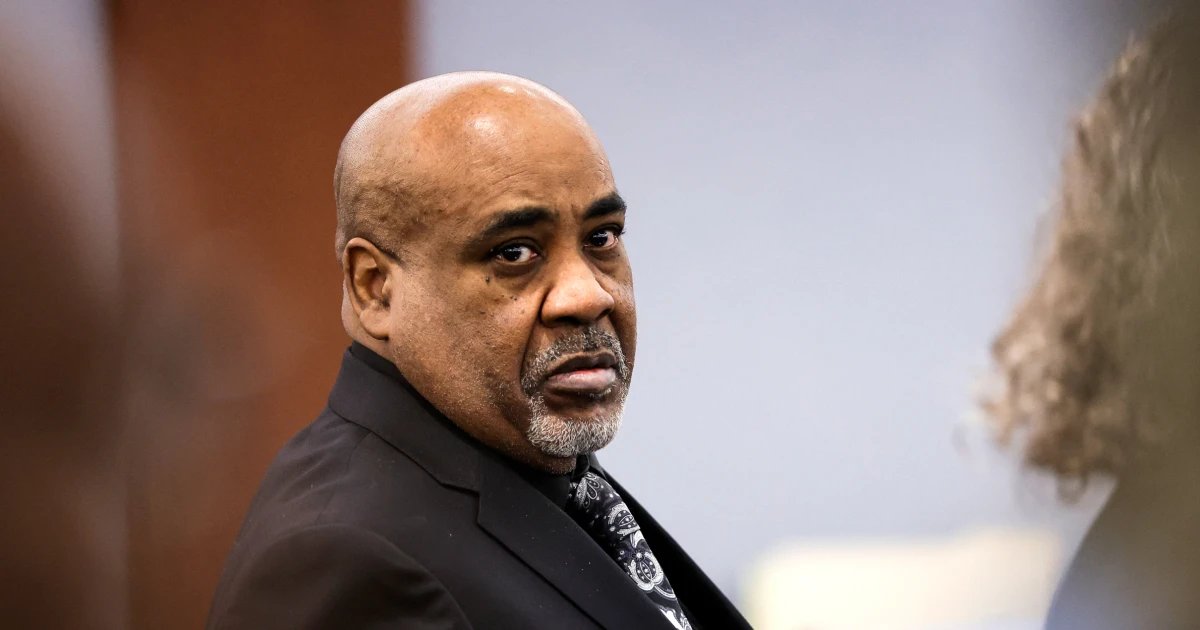
Davis, 63, a former “shotcaller” for the South Side Compton Crips, stood motionless in an all-black outfit as the jury foreman read the guilty verdict. The court proceeding saw emotional reactions from those in the gallery; Tupac’s sister, Sekyiwa “Set” Shakur, was seen in tears, while Davis’ son shielded his face in apparent distress.
A Case Built on Admissions
While prosecutors acknowledged that Davis was not the individual who physically pulled the trigger, they successfully argued that his role as the architect of the ambush made him equally culpable under Nevada law. Authorities identified Davis as the only surviving occupant of the vehicle from which the fatal shots were fired.
Chief Deputy District Attorney Binu Palal framed the murder as an act of cold-blooded retribution. According to the state, the violence erupted hours after Shakur and Death Row Records co-founder Marion “Suge” Knight were involved in a physical altercation at the MGM Grand with Orlando “Baby Lane” Anderson—Davis’ nephew.
“He went hunting,” Palal told the jury during closing arguments, noting that Davis had spent years boasting about his involvement. The prosecution’s case leaned heavily on Davis’ own words, including detailed descriptions of the shooting given to investigators under a 2008 immunity agreement that Davis mistakenly believed would protect him from state prosecution, as well as his 2019 memoir, Compton Street Legend.
“For nearly 18 years, Duane Davis has told the police, television, books, YouTube interviewers, anybody that will listen,” Palal said. “He has told you he is responsible for the murder of Tupac Shakur. Tell him you hear him. Find him guilty.”
The Defense’s Argument
Defense attorney Michael Sanft centered his strategy on the absence of physical evidence. He argued that there were no phone logs, receipts, or photographs placing Davis in Las Vegas during the time of the shooting, suggesting that his client had merely fabricated or embellished his stories for financial gain and notoriety.
“When you think about Mr. Davis’ statements, they all conflict,” Sanft argued. “The only thing that we have is that we can agree on is that Tupac Shakur was shot and killed on Sept. 7, 1996.”
A Legacy Untarnished
Tupac Shakur was only 25 at the time of his death, yet his influence on hip-hop culture remains unparalleled. His music has continued to reach new generations of fans, maintaining a cultural relevance that rarely fades. Following the verdict, the case serves as a poignant reminder of the violent gang rivalries that plagued the industry during the 1990s.
For years, the investigation was stalled by a “culture of silence” and uncooperative witnesses. Former law enforcement officers testified that the distance between Las Vegas and the gang culture of Compton, California, created significant hurdles in connecting the dots of the case.
District Judge Carli Kierny has ordered Davis to remain in custody until his sentencing, which is scheduled for Oct. 13. Davis, who faces a potential life sentence, has indicated through his legal team that he plans to appeal the conviction.