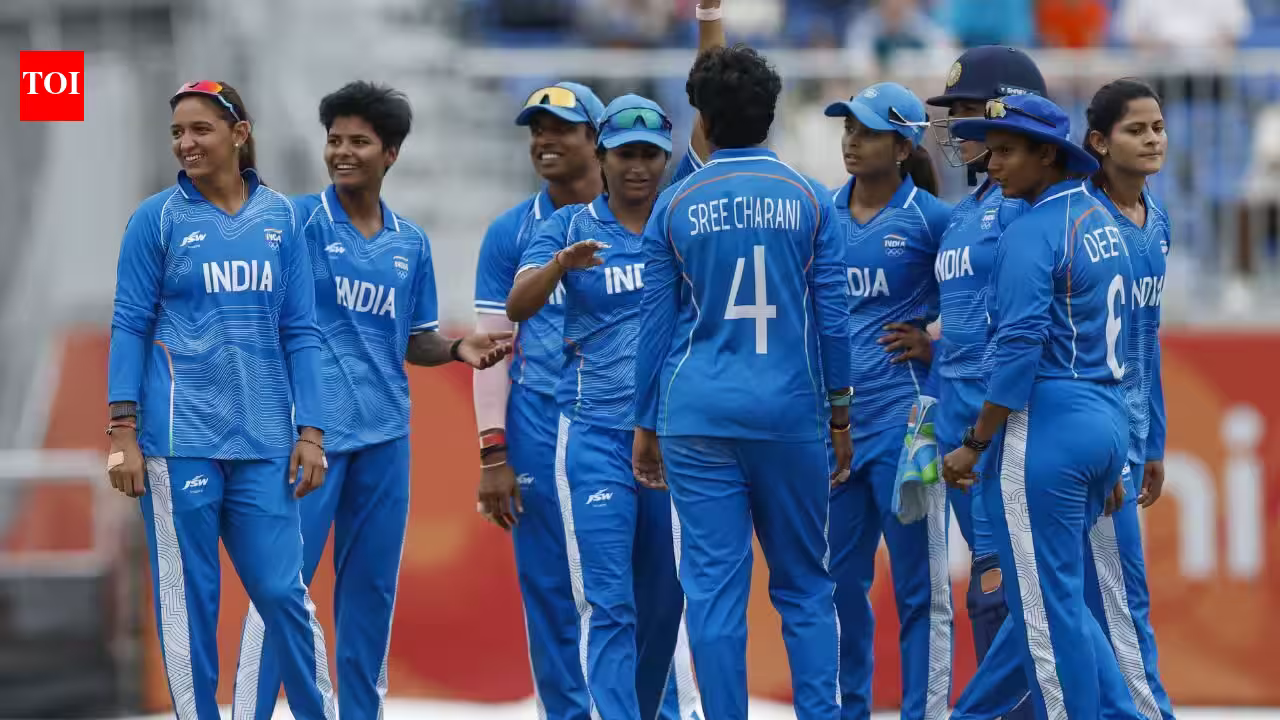










SANO, JAPAN — The quiet town of Sano, often hailed as the “Japanese Cricket Capital,” is bracing for an atmosphere unlike anything it has ever experienced. As the sun rises over the Sano International Cricket Ground this Tuesday, the eyes of the cricketing world—and the diplomatic offices of two nations—are fixed firmly on the pitch. In a historic one-off T20 International, the reigning world champions, India, will face off against Japan, a fixture designed to commemorate 75 years of diplomatic relations between the two nations.
Yet, as the pageantry of the event prepares to unfold, a shadow looms over the proceedings. Typhoon Dujuan is currently tracking toward the region, threatening to wash out what is arguably the most significant day in the history of Japanese cricket.
## A David and Goliath Encounter
On paper, the mismatch is stark. India, global heavyweights and current T20 World Cup champions, represent the pinnacle of the sport. Their roster is a collection of household names, seasoned professionals, and the most formidable batting lineup in international cricket. In contrast, Japan sits at 41st in the ICC T20I rankings, a nation still finding its footing in a sport dominated by baseball.
For the Japanese squad, the result of the match is almost secondary to the experience itself. The team, largely composed of second-generation Japanese citizens of dual heritage, views this as a life-defining opportunity. To test their skills against a side they usually watch from thousands of miles away on television is a monumental step for the Japan Cricket Association (JCA).
While the sporting gap is vast, the cultural value is immeasurable. The match serves as a curtain-raiser for India’s broader ambitions in the region, acting as a lead-up to their participation in the Asian Games in Aichi-Nagoya.
## The Looming Threat of Typhoon Dujuan
The excitement surrounding this landmark clash is currently being dampened by the volatility of the Pacific weather systems. Heavy rains in Sano have already disrupted the logistical schedule, forcing the Indian team to scrap their Monday training session entirely.
The JCA is understandably anxious. The memories of their September 20 match against Hong Kong—which was abandoned without a single ball being bowled—remain fresh. Groundsmen at the Sano International Cricket Ground are working in overdrive, utilizing the venue’s drainage systems to ensure the pitch is playable. Despite the venue being a multi-purpose facility that doubles as a baseball diamond, the specific requirements of a T20 pitch under deluge conditions are daunting.
## A Watershed Moment for Japan Cricket
Despite the rain-soaked uncertainty, the sentiment emanating from the JCA is one of profound victory. Alan Curr, the Chief Operating Officer of the Japan Cricket Association, emphasized that regardless of the final scoreline, the mission has already been accomplished.
“There’s been an awful lot going on in the background of Japan cricket for many, many years, and it’s great now that we are above sea level, I guess, and we’re actually visible to a few more people,” Curr told the Press Trust of India.
For the JCA, the presence of the Indian national team is an endorsement of their long-term growth strategy. The media presence, the heightened domestic interest, and the prestige of hosting the world champions serve as a massive promotional vehicle for the sport in a country where baseball and football reign supreme.
“A lot of the success has almost already happened,” Curr added. “The fact that India has agreed to come, the fact that I’m sitting here talking to you guys, the fact that there’s already a lot of Japanese media coming tomorrow to find out more about this game and about the sport—I think success is already here.”
## The Stage is Set in Sano
Located approximately 100 kilometers from Tokyo, Sano has transformed into a focal point for this encounter. The Sano International Cricket Ground, with a capacity of 2,000, is expected to swell beyond its normal limits as fans from across the country—and perhaps a contingent of Indian expatriates—gather to witness history.
The Indian squad, which arrived in the city on Sunday, has navigated the media frenzy and the logistical hurdles with professionalism, though they remain keenly aware that their preparation has been hampered by the elements.
As Tuesday approaches, the narrative remains fluid. Will this become a tale of sporting triumph for the minnows of Japan, or will the might of the Indian team silence the skeptics and showcase the beauty of T20 cricket to a new audience? More importantly, will the weather hold long enough for the coin to be tossed?
For now, the people of Sano wait. Should the skies clear, the match promises to be a celebration of international ties and the universal appeal of cricket. If the rain persists, the JCA will be left hoping that the progress made in the boardroom and the media spotlight on this week remains enough to carry the momentum of Japanese cricket into a brighter, drier future. Regardless of the outcome, one thing is certain: the map of world cricket has expanded, and Japan is officially on the board.
Disclaimer: This content is auto-generated for informational purposes only.
Source: Read Original News