







The rapid expansion of artificial intelligence and the proliferation of massive data centers are reshaping the American energy landscape, with 2027 poised to become a pivotal year for renewable energy policy. According to a new report from the Siting Solutions Project, the intersection of surging electricity demand from big tech and growing local opposition to wind and solar infrastructure is driving a legislative tug-of-war across the United States.
### The Looming Policy Conflict
As cloud computing giants and AI-driven tech firms expand their footprints, the demand for reliable, large-scale power has skyrocketed. This technological growth is forcing states to re-evaluate their energy siting policies—the rules that dictate where and how renewable energy projects can be built.
Analysts with the Siting Solutions Project warn that while 2026 saw a high volume of restrictive bills aimed at curbing renewable developments, 2027 will likely intensify the debate. As states grapple with the dual pressures of maintaining energy affordability and supporting the infrastructure needs of the AI era, legislators are increasingly caught between protecting farmland and enabling the massive power generation required by modern technology hubs.
### Mapping the Legislative Landscape
The 2026 legislative session highlighted a significant divide in how states approach energy transition. Research indicates that while roughly 43% of the over 200 bills tracked were restrictive—often seeking to increase local control or set moratoriums—only a small fraction of these were ultimately enacted.
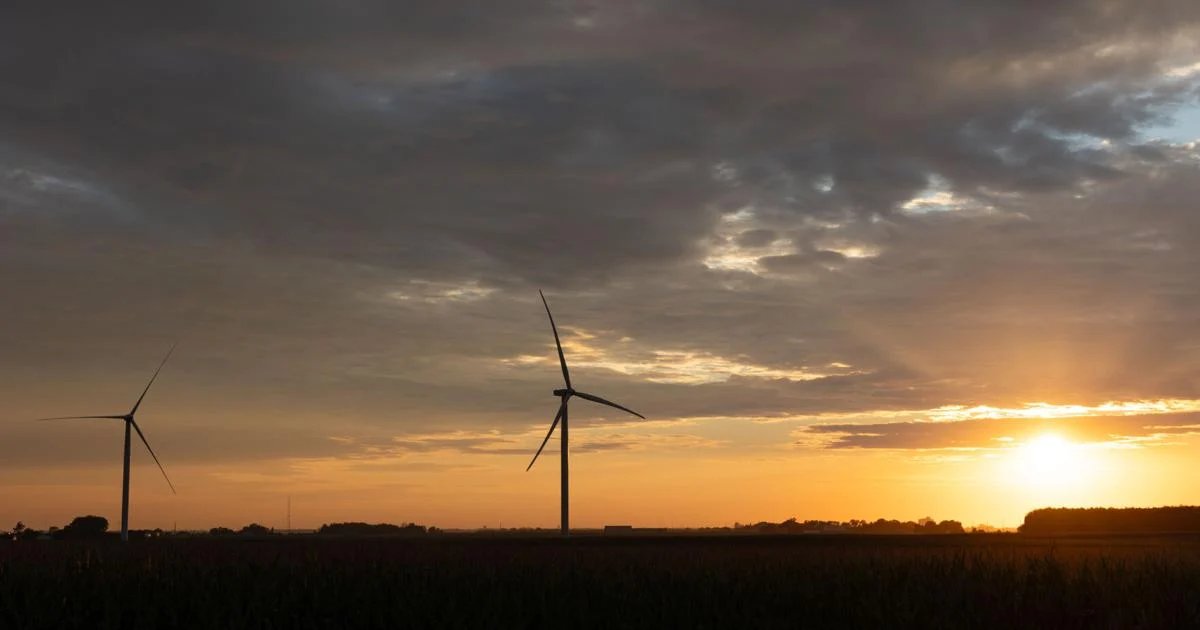
The data suggests a disconnect between political rhetoric and actual policy changes. In states like Iowa, where the debate over wind and solar is particularly heated, many restrictive proposals served primarily as “messaging bills” intended to placate local constituents rather than substantive regulatory shifts. However, this is expected to change as the economic necessity of power generation—driven by the rapid deployment of AI hardware and enterprise data centers—becomes a higher priority for state governments.
### Tech Demands vs. Local Oversight
The pressure to build is being met with a counter-movement of local regulatory hurdles. In some jurisdictions, the fight is over the balance of power between state-level utilities commissions and local government zoning authorities.
For instance, the Iowa Utilities Commission recently moved to preempt a county-level ban on renewable energy projects, a decision that observers say will force future legislative debates to focus on “defensive” strategies for renewable advocates. Similar dynamics are playing out in states like Alabama, Utah, and Kentucky, where policies are either becoming more punitive toward renewable projects or struggling to find a middle ground between local autonomy and state-wide grid requirements.
Looking ahead, experts suggest that the most successful strategies will involve “making the business case” to lawmakers. As electricity bills rise and the demand for clean, consistent power grows, proponents of renewables are pivoting to emphasize how these projects can specifically address the energy requirements of the business community.
Despite the partisan labels often attached to energy policy, researchers found that a state’s political makeup is a poor predictor of its actual energy infrastructure health. States like Texas, for example, have maintained a robust renewable portfolio despite political rhetoric, proving that the technical and economic realities of the energy market often override the ideological battles occurring at the statehouse. With 2027 approaching, the focus will remain on whether states can create an effective permitting paradigm that satisfies both the local concerns of residents and the insatiable power demands of the digital age.
Disclaimer: This content is auto-generated for informational purposes only.
Source: Read Original News