




The Environment Agency has carried out a large trial of remote sensing inspections of outdoor pig units in East Anglia, with a view to wider national rollout.
Addressing the NPA’s June Pig Industry Group meeting, Zanita Markham, AHDB’s sustainability and engagement manager, said the trial, which uses satellite imagery, was part of Defra’s drive to introduce more targeted, risk-based regulation – without physical inspections. The remote sensing inspections apply to all farms regardless of permitting status.
Farmers are not notified where inspections have taken place unless issues are identified. In response to data produced so far, some farmers categorised as ‘red’ have received follow-up physical inspections, while those deemed ‘amber’ have received letters detailing non-compliance.
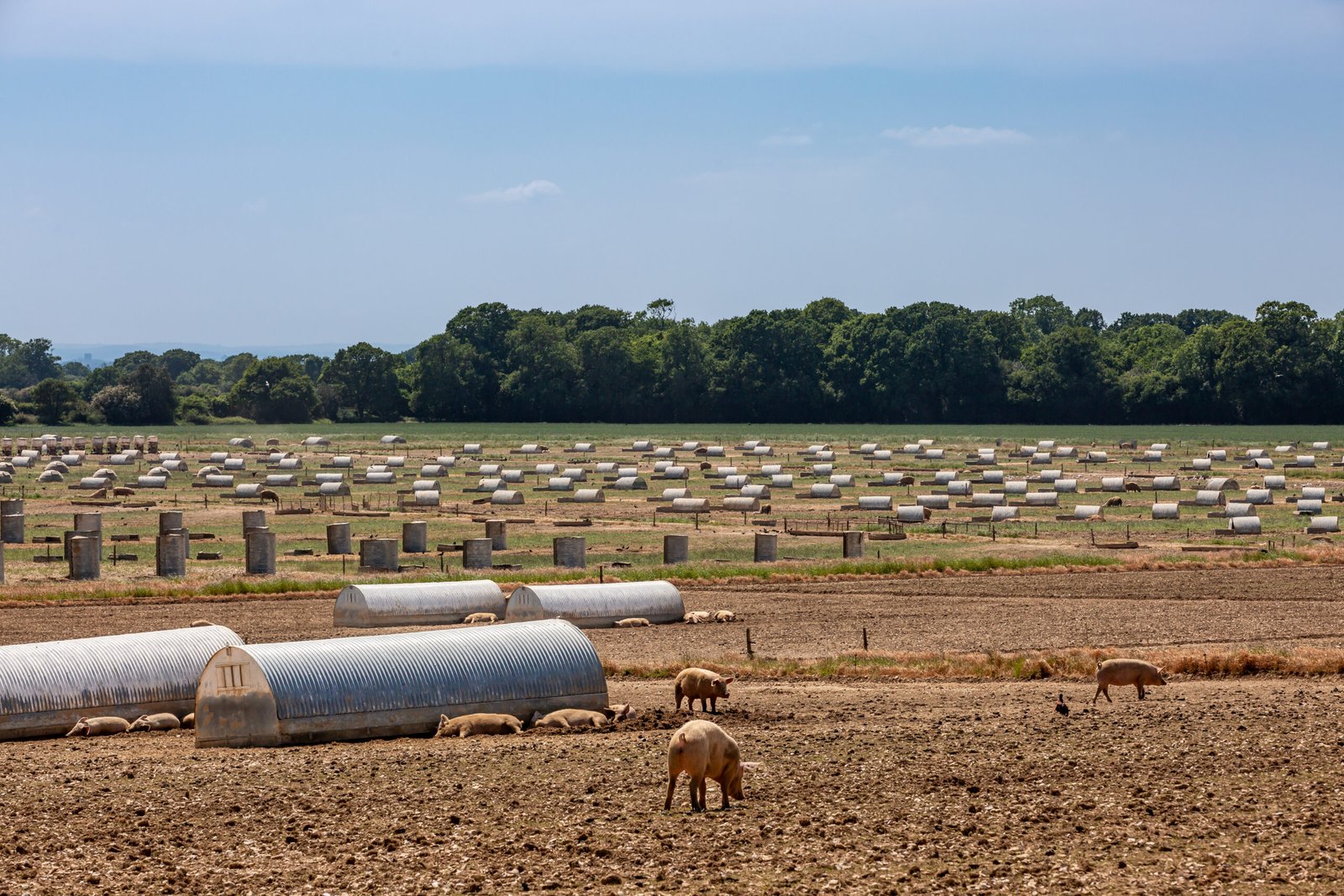
Using satellite images, the agency identifies fields where outdoor pigs may be present and then assess the risk of polluted runoff reaching nearby watercourses, for example due to slope, soil conditions or proximity to rivers. Where risks are identified, it contacts farmers ‘to provide advice and guidance on how to reduce pollution and meet their legal responsibilities’.
An EA spokesperson said: “We have been trialling the use of satellite imagery to identify outdoor pig units in East Anglia as part of a more targeted, risk‑based approach to regulation – allowing us to concentrate our efforts where there is the greatest potential risk to water quality from polluting runoff.
“We are exploring how this approach could be used more widely in other areas where outdoor pig farming may pose a risk to water quality. This would help us to focus on preventing pollution before it occurs, protecting rivers while supporting farmers to comply with the law.”
According to Ms Markham, the method is being increased to 15% of inspections, and the cross-sector programme is expected to be expanded, including to pig farmers in Yorkshire.
Industry response
Discussion at the PIG meeting highlighted how the industry should respond with a collaborative, evidence-led programme to reduce non-conformances in the outdoor pig sector.
This could include a farm-focused approach to reducing risk, along the lines of the previous Swaffham Group, including the sharing of best practice and the collection of data to defend the sector and lobby for government action.
NPA chief executive Lizzie Wilson said the NPA and AHDB had arranged a meeting with government agencies ‘to explore how we can work more collaboratively to try to mitigate diffuse pollution’.