








The watchdog that oversees the Environment Agency told Channel 4 News it is comprehensively failing to regulate legal waste sites and it must completely rethink its inspection regime urgently.

By Emily Keen
“It’s like a living nightmare that you cannot escape from. It’s a really rotten egg, strong, gas smell. It just makes you feel sick.”
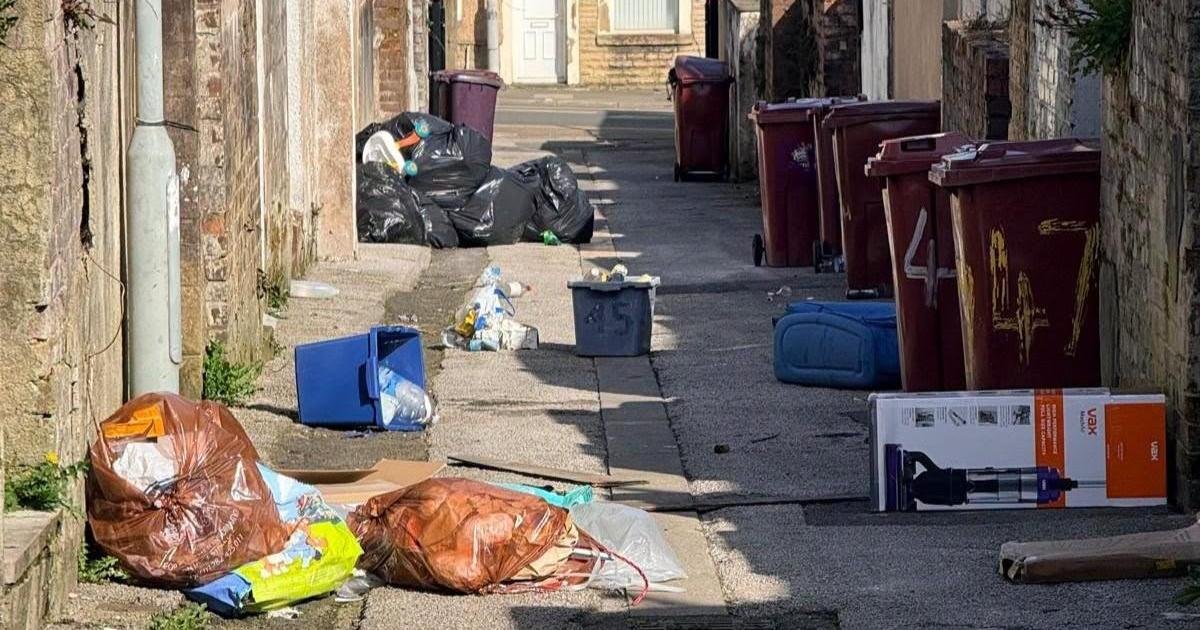
Jess Brown has been living with the stench from Jameson Road landfill in Lancashire for the last two years. Four years ago, she bought the house and moved to the area with her mother, who suffers from severe COPD, and daughter. They came for the fresh air.
“We wanted to move closer to the coast because it would be better for my mum’s health. And then unfortunately, two years later, all this started.”
Transwaste took over the tip in 2023. Since then complaints to the regulator have spiralled. There have been 9,000 odour complaints this year already.
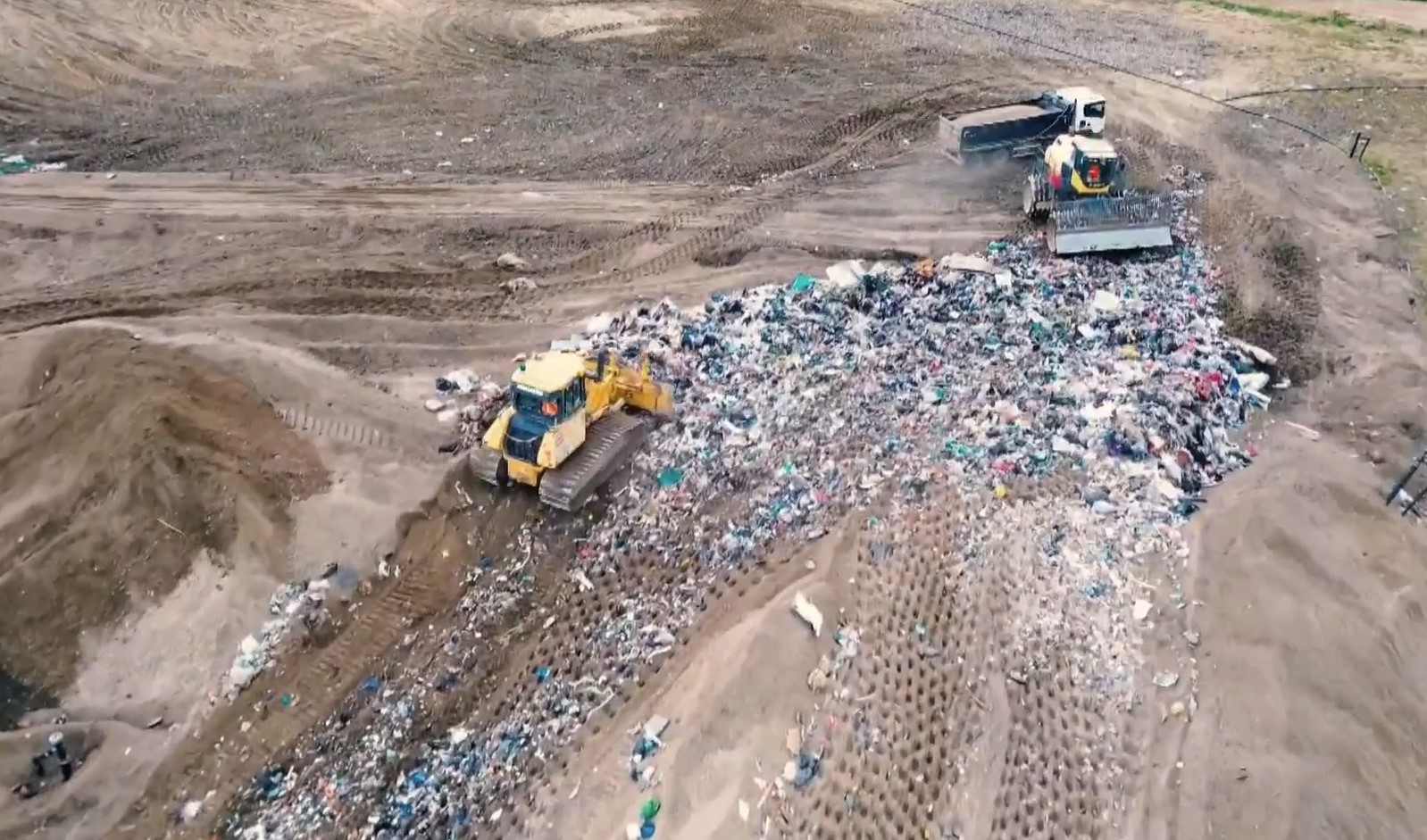
Despite repeatedly reporting the stink, Jess and her neighbours feel like they are not being listened to and the regulator isn’t doing enough.
“It’s been over two years now and we’re still saying the same thing. We’re still being let down by like the Environment Agency.”
They are not alone. The watchdog that oversees the Environment Agency told Channel 4 News it is comprehensively failing to regulate legal waste sites and it must completely rethink its inspection regime urgently.
Analysts at the Office for Environmental Protection have spent the last two years looking at inspections carried out by the Agency.
It has found the number of inspections has fallen off a cliff. On average, inspectors carry out just one on-site inspection a month. For the year the report analysed, nearly a third of waste sites weren’t inspected at all.
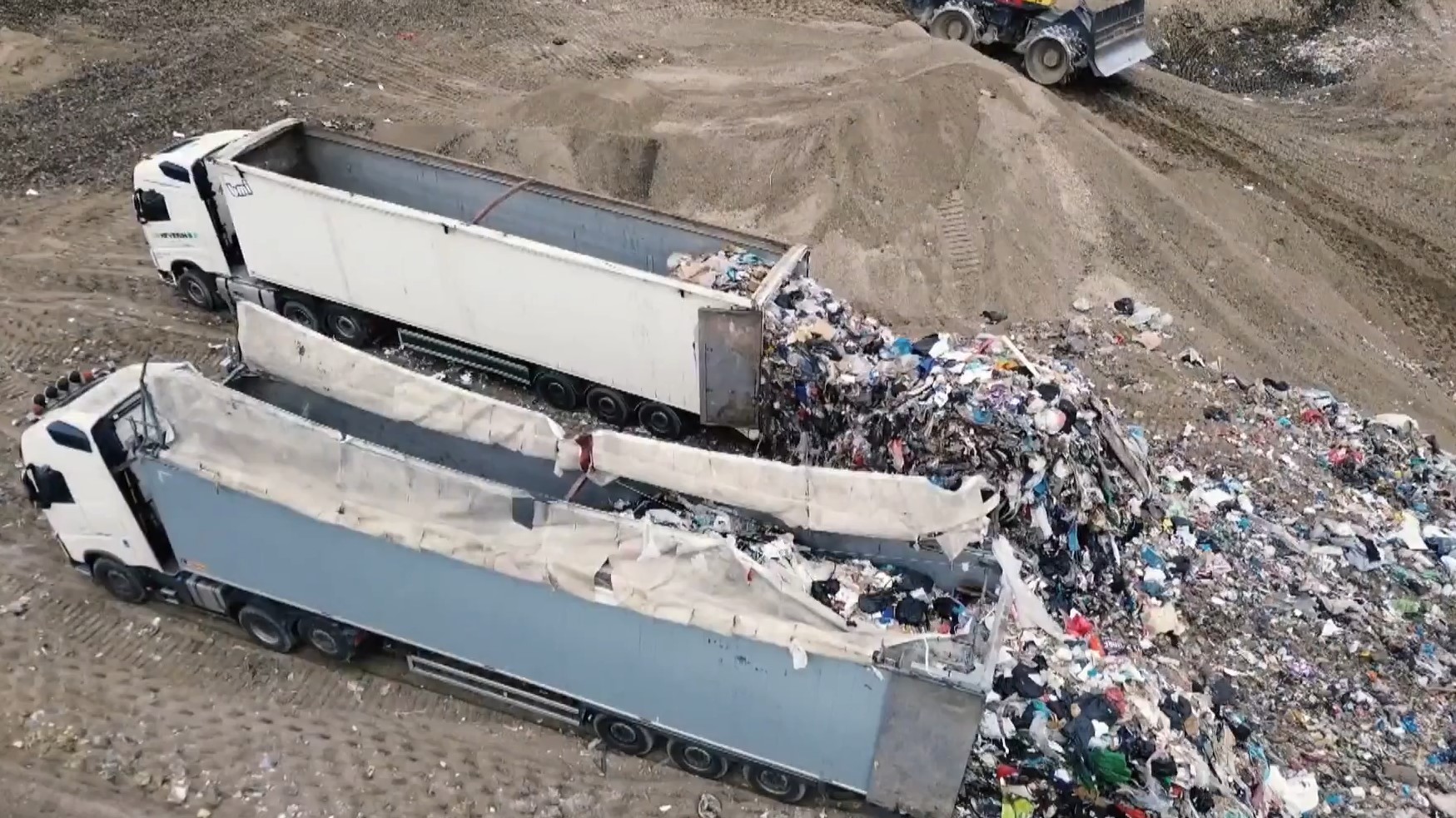
Most surprisingly, if a site isn’t inspected, it automatically gets an A rating. Not only does it pay less in fees to the regulator, but it will in future also be inspected less.
So when the regulator reports 97 per cent of its waste sites as compliant, this is misleading. Take out those that got an automatic A without being tested and the proportion falls to 64 per cent.
A former waste inspector told Channel 4 News that in 2018 waste inspectors were constantly on the go.
“We used to do five-six inspections a week. Out for a day, inspect the sites, then back to the office to do the write-up. When I left in 2017/18, I started to see the standards slipping.”
Hanging up inspectors’ boots is part of a wider move by the Agency to more desk-based inspections.
Nearly half of inspections for the years the report looked at were desk based, 80 per cent of which were so called “data reviews”. This could include an email to the operator reminding them to send in their quarterly performance statistics.
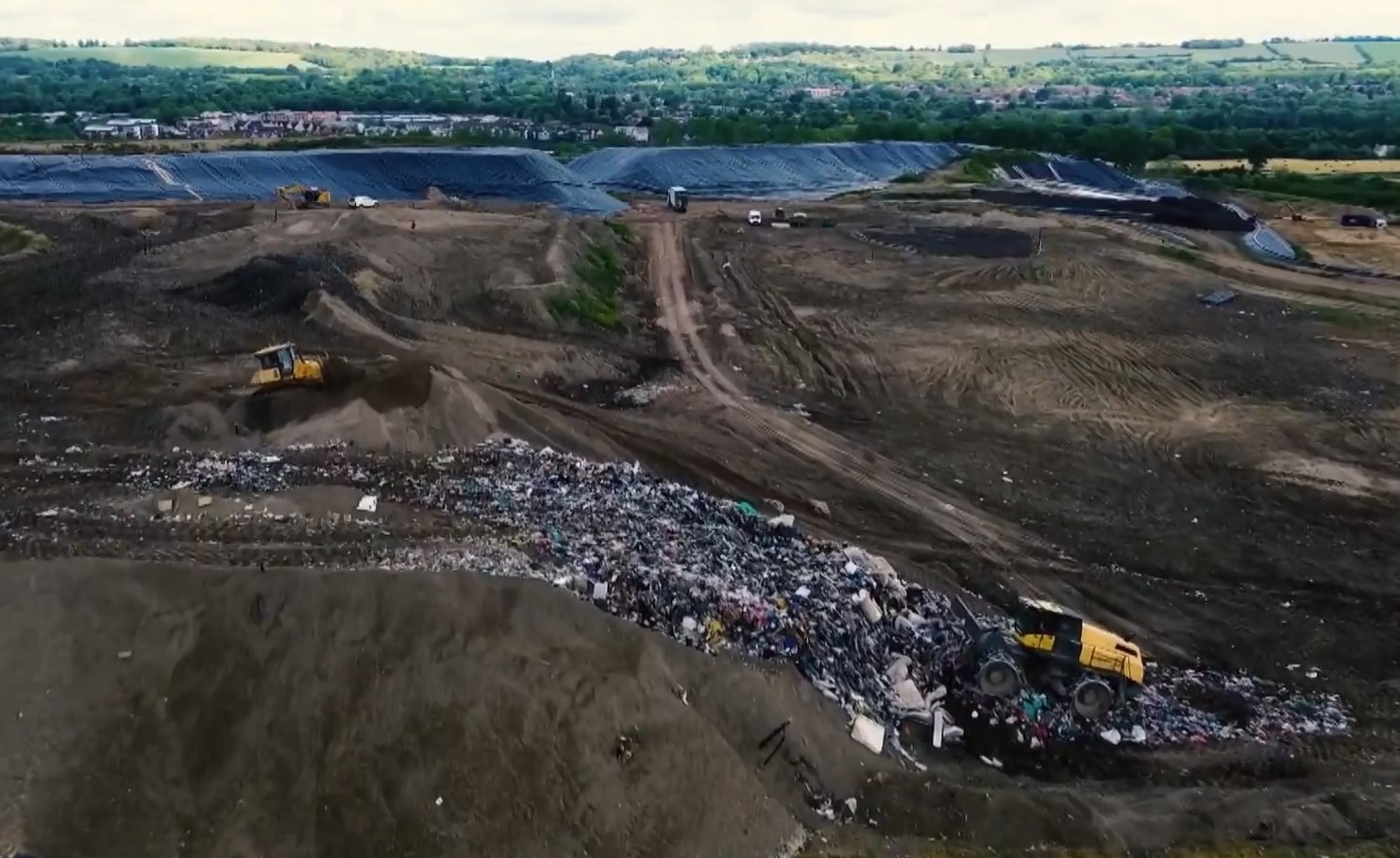
The Environment Agency told Channel 4 News:
“The OEP examined the period between 2018–2022. Our operating environment has changed significantly since then. In 2025, we undertook 7,283 waste site inspections, of which 245 (3%) were remote site inspections.”
This might suggest the tide is turning on the Agency’s desk-based approach to regulation, but Channel 4 News has scrutinised the data. The regulator, unlike the OEP, did not include “desk-based assessments” in its 3 per cent figure. Account for those and the proportion of remote inspections has actually risen since 2022.
Sadly for Jess and her family, even when the regulator does inspect sites, it is failing to drive improvements. The OEP found that issues identified at inspections were not resolved in 63 per cent of cases.
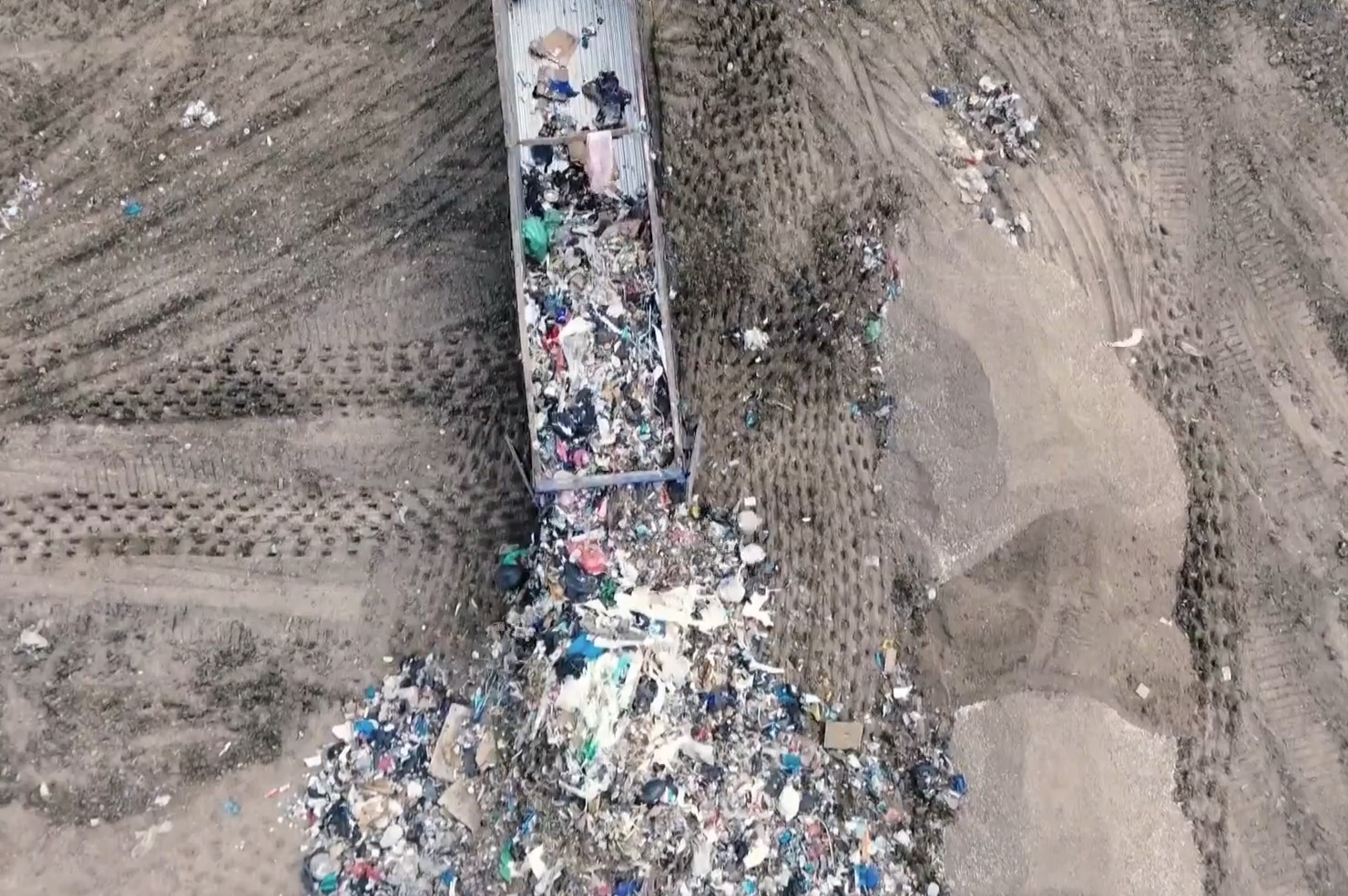
“It feels like they are protecting the operator. They keep giving them chance after chance and it’s just not good enough. We’re just not being listened to and it is really, really wrong.”
Transwaste said: “Transwaste rejects the suggestion that nothing has been done in response to residents’ concerns. The site is operated under one of the most rigorous regulatory regimes in the UK, with continuous oversight from the Environment Agency, Wyre Council and the Health and Safety Executive.
“Since acquiring the site, Transwaste has delivered, and continues to deliver, a substantial programme of works that goes well beyond statutory requirements and the conditions of the Environment Agency permit.”