








Every time you flush, life-giving substances are being wasted. But one of the core substances in our body’s waterworks is also killing wildlife.
Let’s start with the positive. According to researchers at the University of Surrey, urine contains a wealth of nutrients — like nitrogen, phosphorus, and potassium — which are being flushed down the toilet, rather than saved, stored and used to feed plants.
By using osmosis, the team was able to recover high levels of these substances from wastewater supplies, with a much lower energy requirement than traditional treatment processes used in sewage systems.
If scaled up, this could reduce pressure on infrastructure at a time when Britain’s water network is in urgent need of upgrading, and it could significantly cut reliance on existing forms of fertiliser which are linked to environmental degradation and, more recently, supply chain issues brought about by the war in Iran.
‘It is strange to say, but it has the added benefit of being true – our pee is an underutilised resource,’ said Dr. Siddharth Gadkari, Lecturer in Chemical Process Engineering at the University of Surrey and lead author of the study. ‘Even though it contains the key nutrients we need for agriculture, we currently treat it as waste. Our research shows that with the right treatment approach, we can recover these nutrients efficiently while reducing the energy demands of wastewater treatment.’
Meanwhile, a separate group of experts working on an unrelated project have found evidence that urea — a colourless, odourless compound produced by the liver to convert ammonia into a soluble form for excretion in urine — is linked to extreme water quality loss in the Canadian Prairies. The substance is widely used in fertilisers used worldwide.
Led by researchers at the University of Manitoba, Canada, and the University of Regina, Italy, the scientists added urea to farm ponds in a bid to simulate the impact of agricultural fertilisation. Algae growth increased by 10 fold compared to other damaged ecosystems that were not exposed to urea, for example Lake Winnipeg.
The presence of these excess microscopic pants led to rapid draining of essential oxygen from the water, triggering a sharp rise in the risk of species die-off. According to those behind the work, agricultural areas of China, the US, and many other countries are also vulnerable to this, particularly in places where natural wetlands, which would act as a filter stopping farmland runoff from entering rivers and lakes, are being drained.
‘Our findings help explain why surface waters around the world are experiencing rapid oxygen loss that kills fish, increases toxin exposure, and intensifies harmful algal blooms, pushing freshwaters to an ecological tipping point,’ said Dr. Cale Gushulak, lead author of the research paper and an assistant professor at the University of Manitoba.
‘Two-thirds of the world’s population is supported by urea and other nitrogen fertilizers—so we cannot, and should not, stop its use,’ Gushulak added. ‘However, if the fertilizer is lost from the soils, and ends up degrading surface water, then everyone loses.’
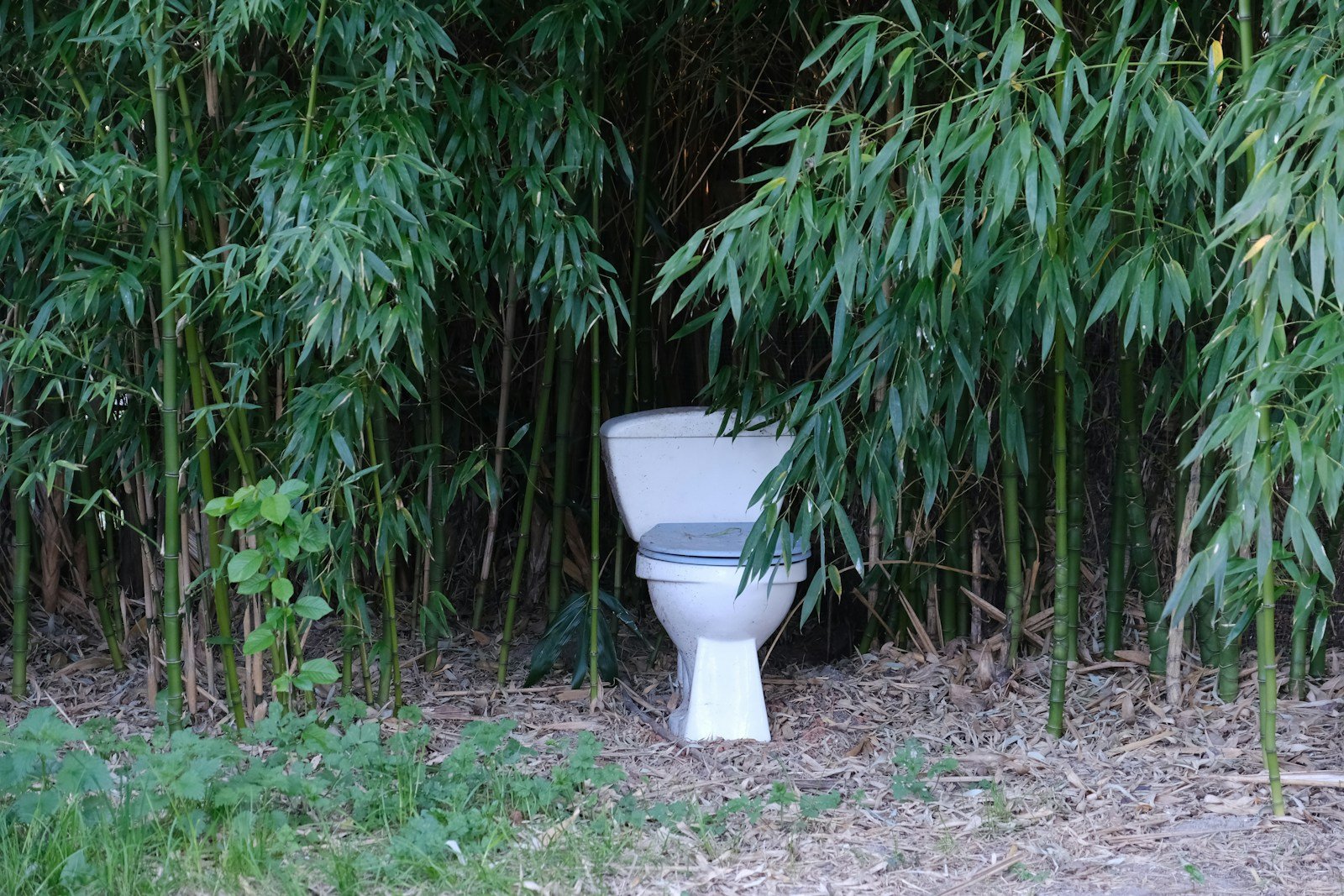
Image: Boudewijn Huysmans / Unsplash
More on Pollution, Waste & Recycling:
Plastic recovered from the ocean is driving food-safe recycled polypropylene