






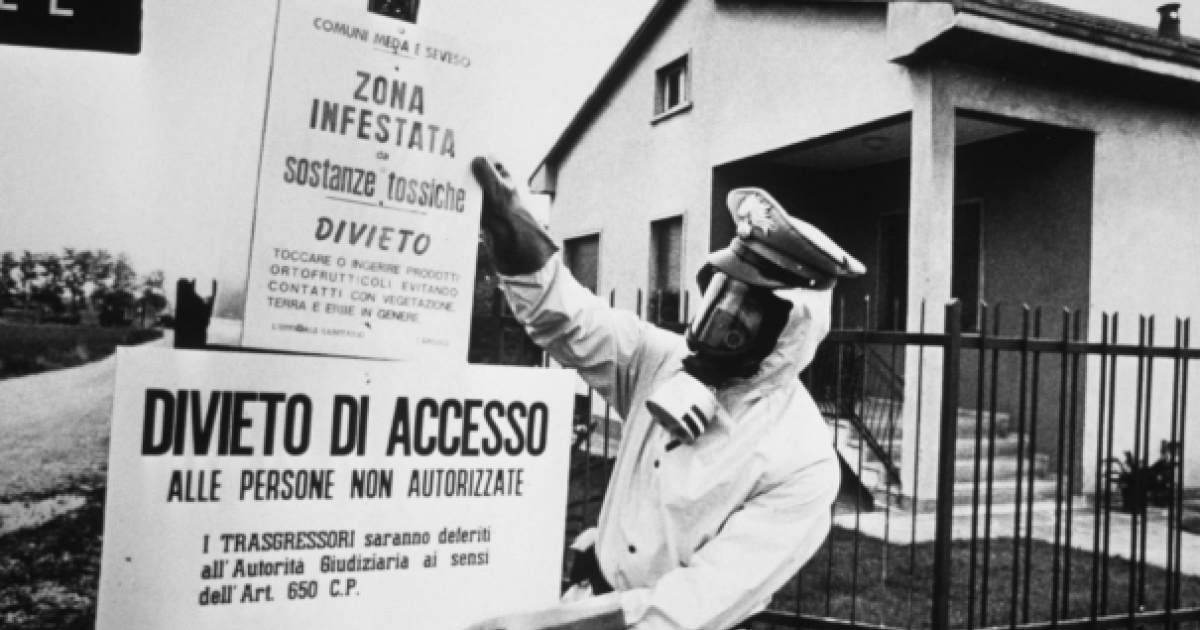
Fifty years after the 1976 Seveso chemical disaster, the EU continues to build on one of its most influential environmental and industrial safety frameworks.
The European Commission today (10 July) reaffirmed its commitment to preventing industrial accidents through the Seveso Directive, as Europe faces evolving risks linked to climate change, digitalisation and the energy transition.
“Fifty years after Seveso, the lesson remains clear: prevention saves lives. The Seveso Directive has helped make Europe one of the safest places in the world for industrial activity, but we cannot be complacent. As climate risks intensify and new technologies offer transformation of our societies and economies, we must continue to be consciously alert and anticipate emerging threats, stay agile and strengthen our preparedness.
Protecting people, communities and the environment goes hand in hand with building a resilient and competitive European industry.”
Jessika Roswall, European Commissioner for Environment, Water Resilience and a Competitive Circular Economy
Landmark law changed industrial safety
On 10 July 1976, a toxic dioxin cloud exposed thousands of people and contaminated vast areas in Seveso, Italy. This major industrial accident led to the adoption of the Seveso Directive in 1982. This groundbreaking law shifted the EU from a reactive to a preventive safety culture, through stricter risk assessments, safer land-use planning, stronger safety management and better emergency preparedness.
Today, the Seveso Directive remains the backbone of the EU’s industrial safety framework, reducing the risk of major accidents involving dangerous substances.
It covers around 11,000 industrial sites across the EU, including chemical and petrochemical plants, oil refineries, pharmaceutical production facilities, food and beverage industries and agricultural operations where large quantities of dangerous substances are present. Companies are required to prevent major accidents and limit their consequences, while authorities ensure oversight and public safety.
Over the past 50 years, the EU has significantly reduced major accidents, reducing harm to people, property and nature. It has also become a global benchmark, inspiring similar laws and safety standards worldwide.
Despite these positive trends, risks persist. Recent disasters – such as the 2019 Lubrizol fire in Rouen (France) and the 2021 explosion in Leverkusen (Germany) – highlight the need for continuous action, constant oversight and robust safety measures.
Next steps
The Commission will continue working with Member States, industry, emergency services, and civil society to ensure that the Seveso framework remains fit for purpose in a rapidly evolving industrial, environmental and security context. This includes adapting to emerging risks associated with climate change, cybersecurity, the energy transition and geopolitical instability.
The EU’s broader Preparedness Strategy reinforces this approach, promoting comprehensive risk assessment across sectors to improve crisis prevention, preparedness and response.
More information
Seveso III Directive | EUR-Lex
Seveso III implementation report | EUR-Lex
EU action for industrial safety | European Commission