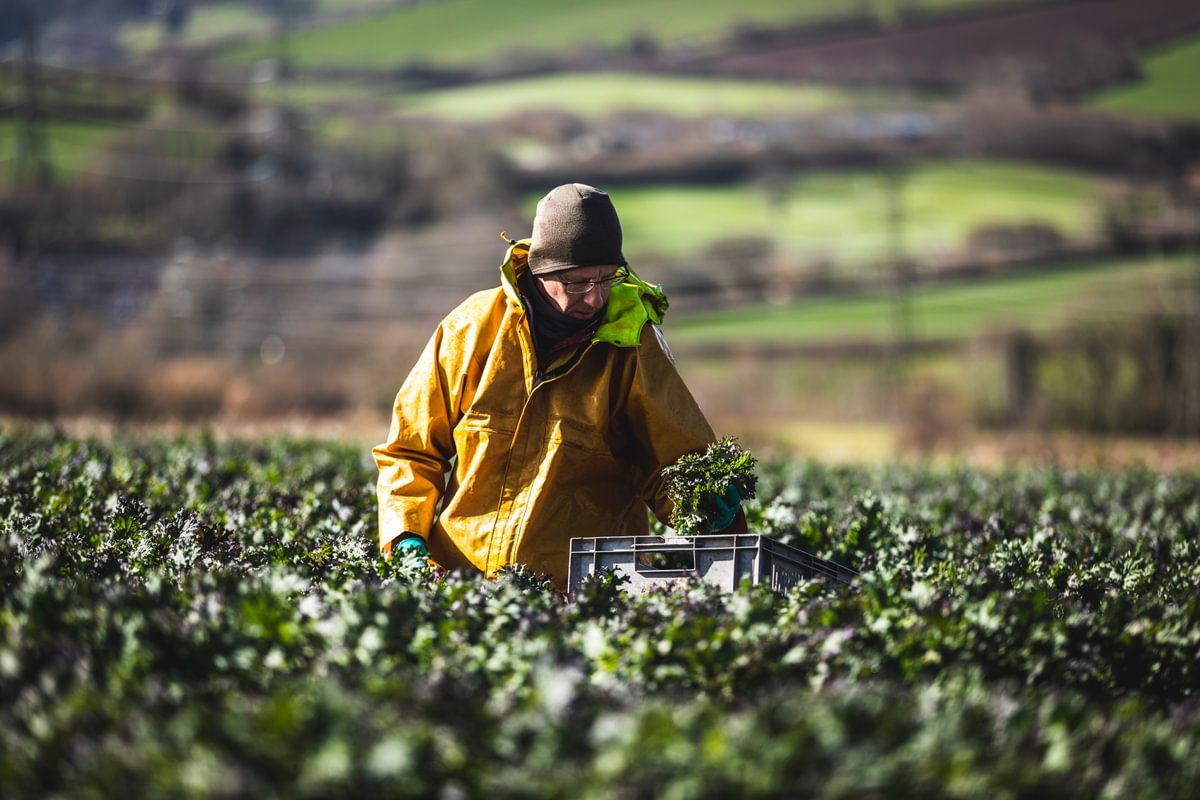









The European Commission has proposed excluding leather from the EU’s deforestation rules, one of the key changes in a package adopted today aimed at simplifying the implementation of the law.
The rules will require companies, from 30 December 2026, to demonstrate that certain products sold in the EU – including cocoa, coffee, soy, palm oil, rubber, livestock, and timber – did not contribute to deforestation.
Responding to demands from industry and farm groups, under a revision agreed last year, MEPs and the Council mandated the Commission to present, by April, a report on options to simplify the regulation.
Alongside new guidance and frequently asked questions – both non-binding documents providing clarification – the Commission is also proposing targeted changes to the list of products covered.
Leather would be removed from the scope of the EU deforestation regulation (EUDR), a Commission official told reporters, arguing that keeping it in would risk “an unbalanced approach,” since finished goods like – shoes or handbags – are not covered by the rules.
The move has been strongly opposed by NGOs. WWF’s policy manager Anke Schulmeister‑Oldenhove said exempting specific sectors would “undermine the regulation’s cridibility and make compliance more complex.”
Retreaded tires – used tires reprocessed with a new rubber layer for reuse – are also set to be excluded. “All new tires remain in the scope of EUDR,” the official clarified.
At the same time, the Commission plans to expand the scope in some areas. As reported by Euractiv, soluble coffee will be added – aligning it with other coffee products – along with certain palm-oil-based goods such as soap.
According to the Commission, the adjustments follow a methodology ensuring “a coherent approach across commodities,” as well as environmental impact and compliance costs. The draft legislation proposing changes to the list of products covered will be open for public feedback until 1 June.
EXCLUSIVE: EU to tweak product list under deforestation rules without reopening text
The European Commission has said it will not reopen the EU’s deforestation rules again, but…
2 minutes

Another front with the US?
The package also includes an implementing act updating the IT system underpinning the rules, including simplified paperwork for small primary operators – mainly EU farmers and foresters.
The system will also include a “grouping feature”, allowing organisations to submit data on behalf of multiple producers, and will make it easier to connect the EU platform with national databases.
The Commission further clarified key responsibilities along the supply chain. “Upstream operators” – those first placing products on the EU market – remain subject to full due diligence obligations, while the “first downstream operator” must collect reference numbers from suppliers but is not required to actively verify compliance.
Despite the simplification push, the Commission stopped short of introducing country-level simplification. No new “no risk” category was added to the benchmarking system classifying countries as high, standard or low risk of deforestation – a change sought by partners including the US to secure exemptions from EUDR obligations.
“We are confident that with all the changes since the entry into force in 2023 and this latest package, we are equipped for a smooth and effective implementation at the end of the year,” the official said, while acknowledging “continued criticism” from some partners.
Any review of the benchmarking and its methodology will only take place once the EUDR enters into application, they added.
EXCLUSIVE: US officials tour EU capitals to lobby against deforestation law
A delegation of US officials is touring European capitals this week to lobby against the…
3 minutes

(adm)