









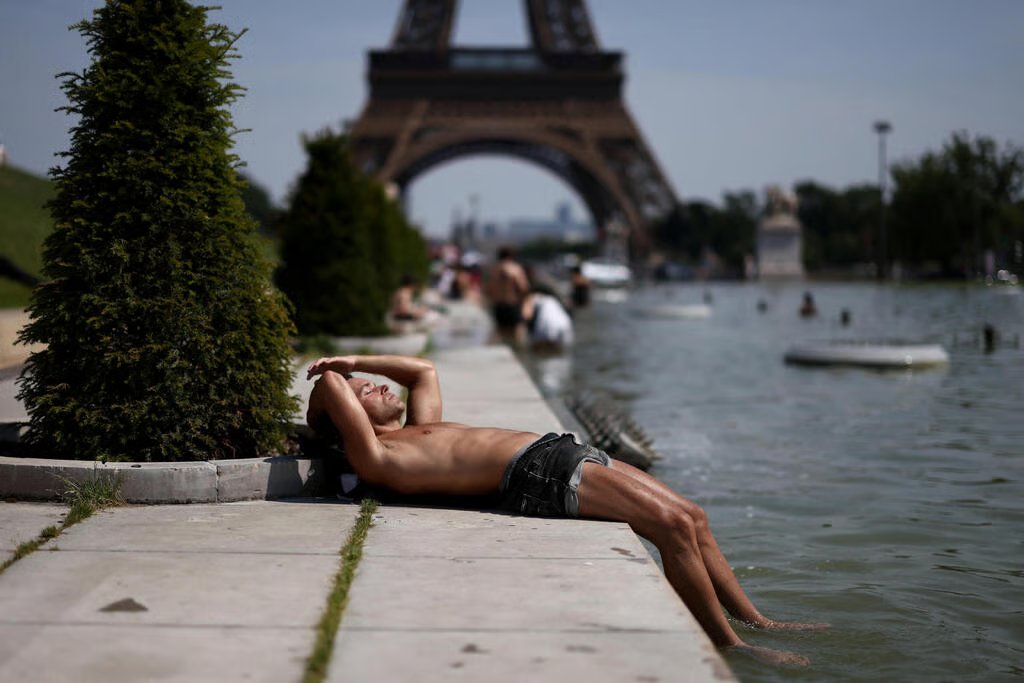
France, which endured the most severe conditions throughout last week, announced Sunday morning that around 1,000 excess deaths had been recorded nationwide since last Wednesday compared with normal mortality levels. Health authorities have not yet officially attributed those deaths to the heatwave and stressed that the figure is preliminary and expected to increase.
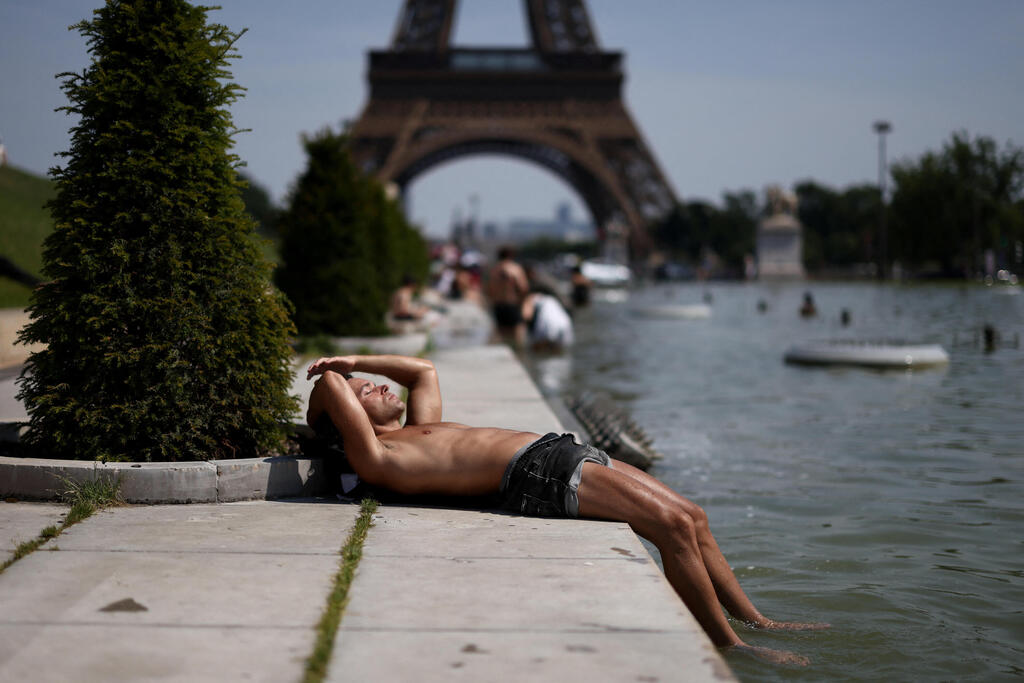
The heatwave that swept across Europe is moving eastward
(Photo: REUTERS/Tom Nicholson)
Since then, European governments have introduced measures aimed at reducing the impact of heatwaves, including more effective early warning systems. While heat-related mortality has fallen significantly, it remains substantial.

France is comparing the current heatwave to the devastating European heatwave of 2003
(Photo: REUTERS/Tom Nicholson)
The current estimate of 1,000 excess deaths is therefore incomplete and expected to rise. The agency said that 85% of the deaths occurred among people aged 65 and older, while deaths occurring at home increased by 40%.
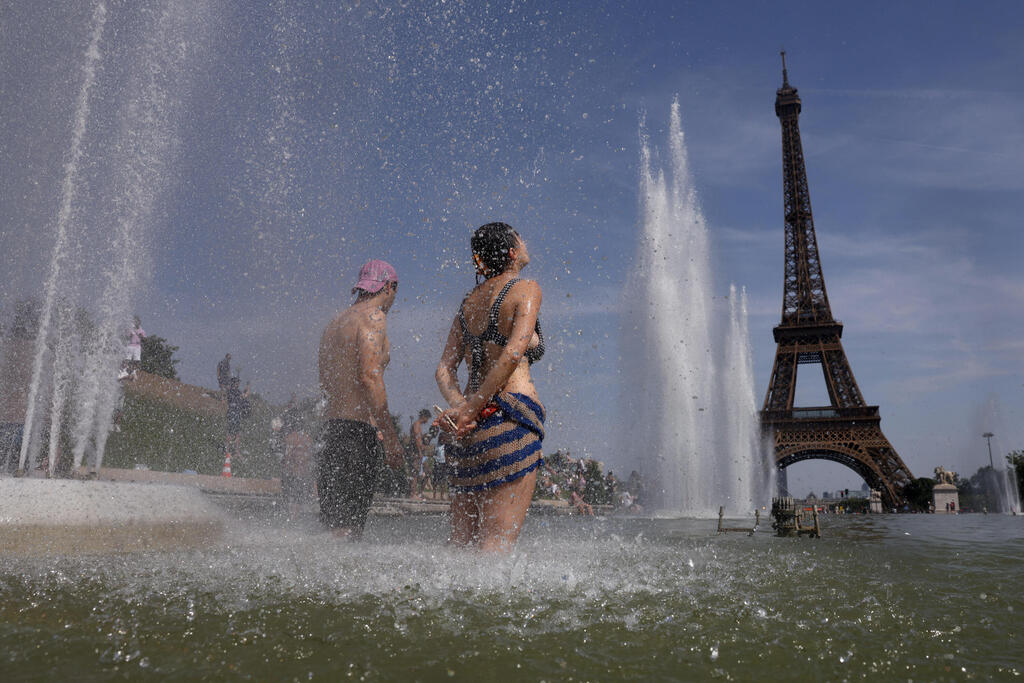
The 2003 heatwave lasted 16 days and caught Europe almost completely unprepared, causing an estimated 80,000 excess deaths across the continent
(Photo: REUTERS/Tom Nicholson)
Heat can damage health in numerous ways, and experts warn that the greatest risks are faced by older adults, infants, outdoor workers and people experiencing financial hardship. Estimates suggest that up to 480,000 people worldwide die each year from heat, more than the combined death toll from floods, earthquakes and hurricanes.
Europe has experienced increasingly frequent heatwaves in recent decades, and scientists warn that human-caused climate change is making them both more frequent and more intense. According to estimates by the World Health Organization, more than 200,000 people have died across Europe from heat-related causes over the past four years, with most of those deaths considered preventable. The European Union’s Copernicus Climate Change Service says Europe is the fastest-warming continent on Earth, with temperatures rising at twice the global average rate since the 1980s.
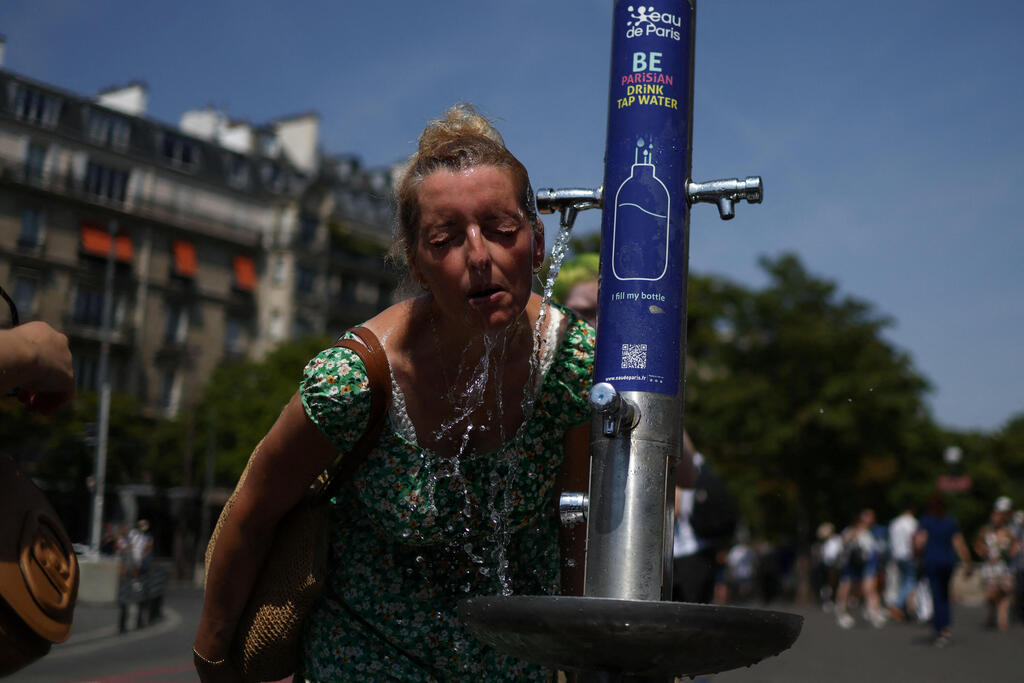
Europe has experienced increasingly frequent heatwaves in recent decades
(Photo: REUTERS/Tom Nicholson)
The question of how Europe should respond to increasingly frequent heatwaves has sparked an intense political debate, particularly over calls to install air conditioning not only in public buildings such as hospitals and schools but also in private homes.
Air conditioners remain relatively uncommon across much of Europe. Despite years of warnings about rising temperatures, household air conditioning remains limited in most countries, although installation rates are gradually increasing and demand has surged during the current heatwave. Across Europe, only about 20% of homes have air conditioning. In France the figure stands at roughly 25%, while in hotter Spain it reaches about 50%.
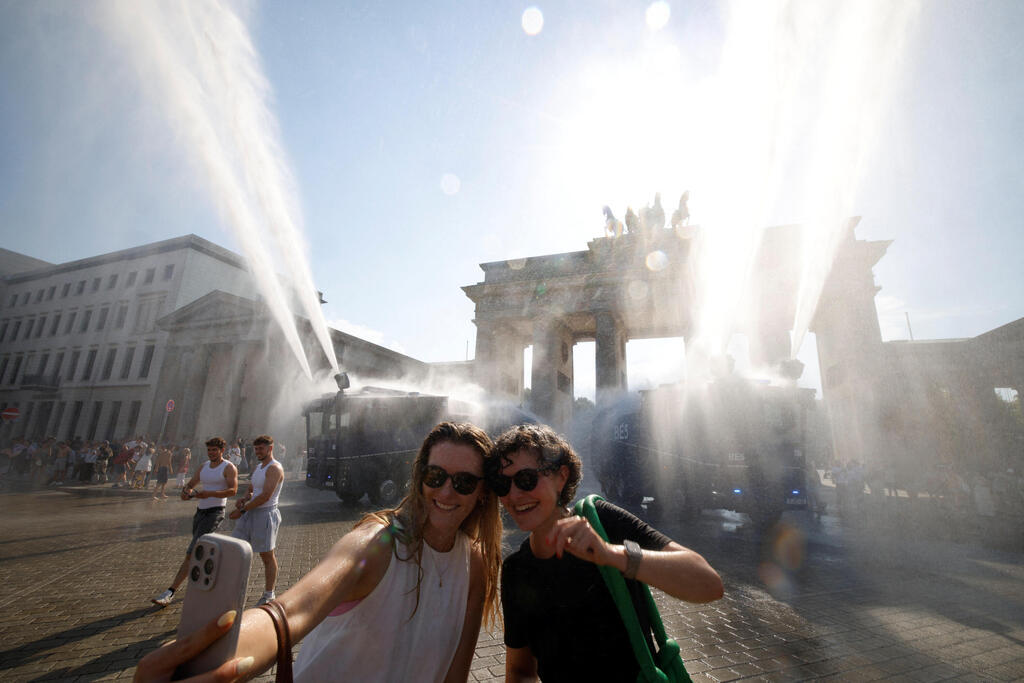
The question of how Europe should respond to increasingly frequent heatwaves has sparked an intense political debate
(Photo: REUTERS/Axel Schmidt)
Several factors explain the low adoption rate. Many European buildings are old, making installation more difficult and expensive, with costs reaching around 1,000 euro. Countries including Britain and France also impose bureaucratic restrictions on installing air conditioning, partly to preserve the appearance of historic buildings.
Environmental concerns have also fueled opposition. Critics argue that air conditioners release heat into urban environments, contributing to the urban heat island effect, while increased electricity consumption would raise greenhouse gas emissions and make it harder for Europe to meet its goal of reaching net-zero emissions by 2050. Climate activists argue that widespread air conditioning offers only a short-term solution while worsening the long-term problem.
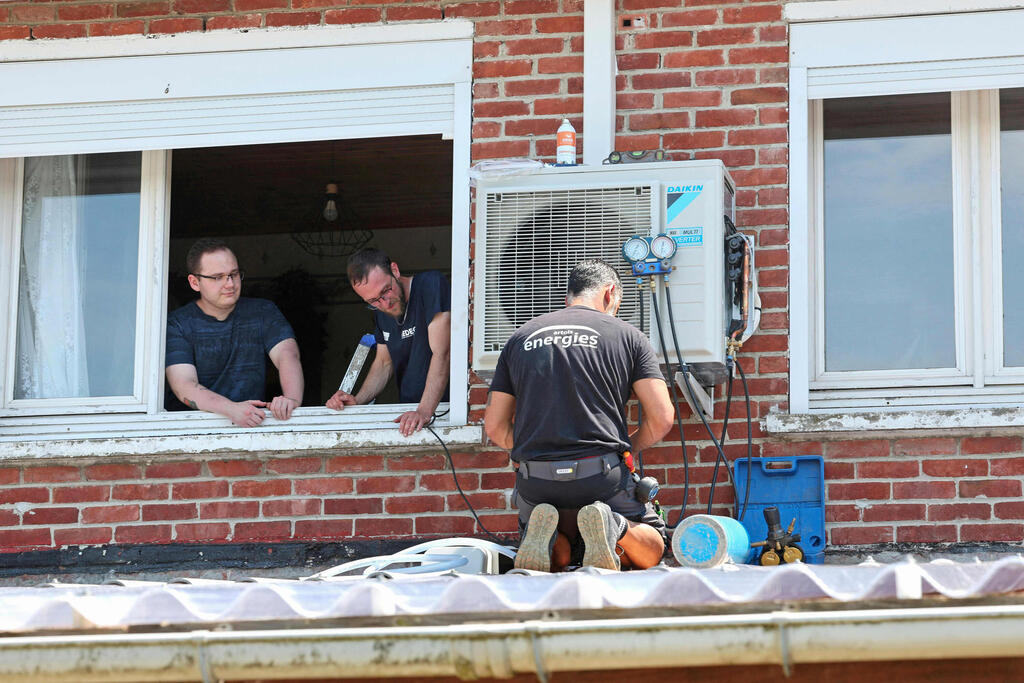
Air conditioners remain relatively uncommon across much of Europe
(Photo: Francois LO PRESTI / AFP)
As a result, many hospitals and schools still lack air conditioning. During the current heatwave, public institutions struggled to operate. Hospitals faced growing difficulties treating patients, with Britain reporting disruptions to MRI scanners over the weekend, while schools closed and sent students home.
Facing criticism that it was unprepared for this year’s heatwave, the French government has allocated 100 million euro for the urgent installation of air conditioning in hospitals.
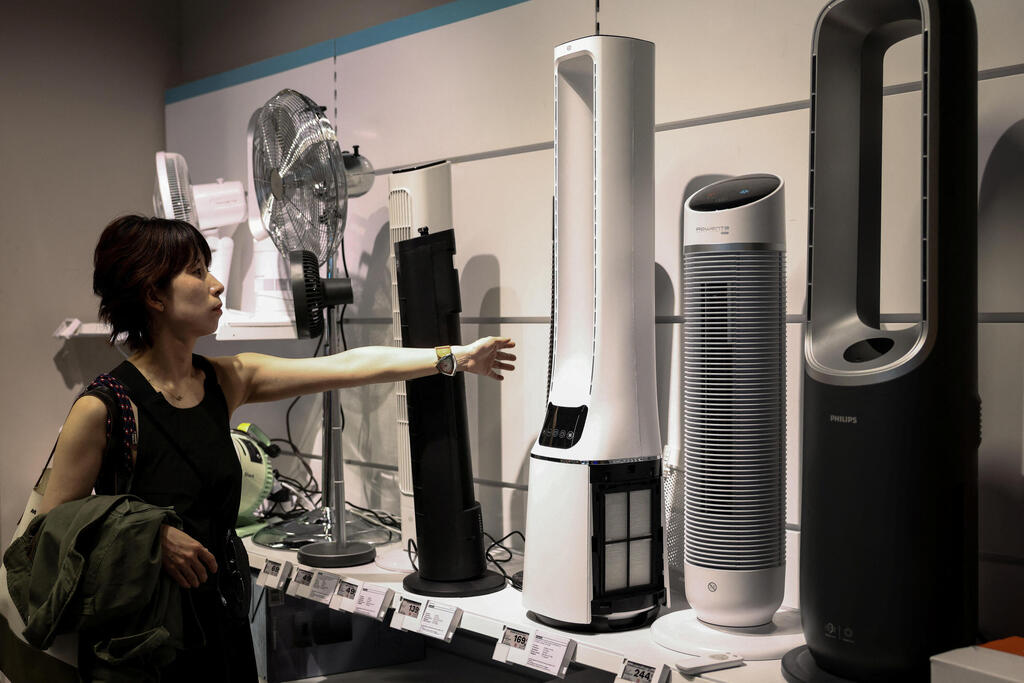
Despite years of warnings about rising temperatures, household air conditioning remains limited in most countries
(Photo: REUTERS/Tom Nicholson)
The Ecologists leader Marine Tondelier broke what she described as a “historic taboo,” saying, “There are places that simply cannot be left without air conditioning.” London Mayor Sadiq Khan also said last week that installing air conditioning in schools and hospitals would become unavoidable.
The debate over residential air conditioning remains particularly contentious in France.

Marine Le Pen, leader of the far-right National Rally party
(Photo: Bertrand GUAY / AFP)
She argued that air conditioning “does not cause global warming,” adding that “the Greens rely on flawed studies or partial facts. Modern air conditioners remove hot air and do not release gases or heat into the atmosphere.”
National Rally spokesman Jean-Philippe Tanguy said the proposal would include 20 billion euros in interest-free loans to help between 30 and 40 million households install air conditioning systems.
Critics dismissed the proposal as opportunistic and unfunded. They argue that Le Pen’s political camp was among the last to acknowledge the reality of climate change and therefore has little credibility when proposing solutions to its consequences.
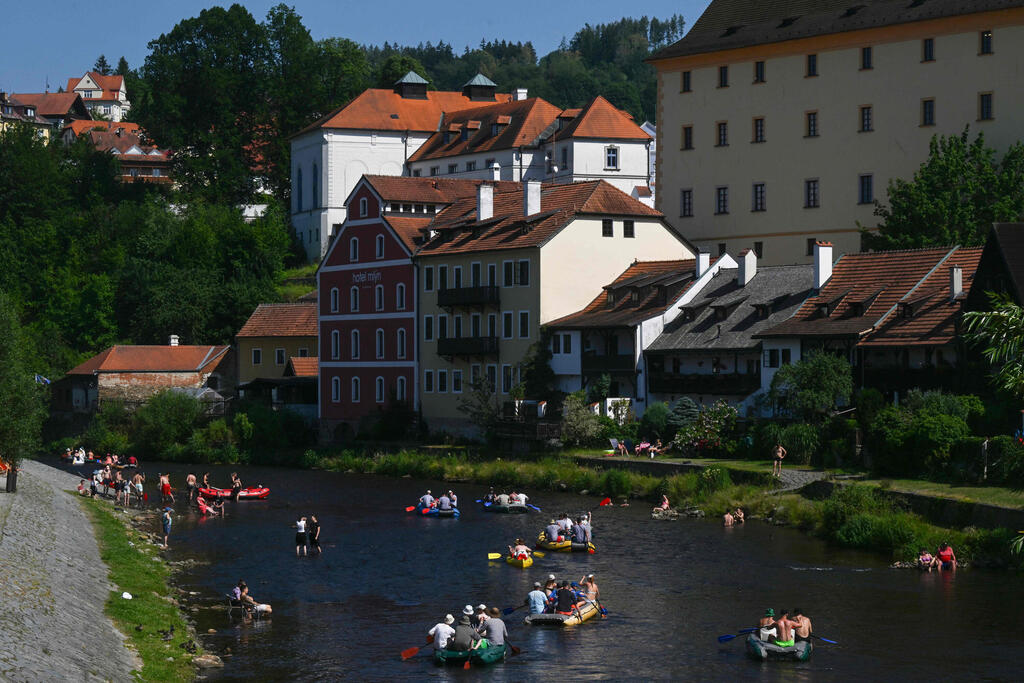
‘There are places that simply cannot be left without air conditioning’
(Photo: Michal Cizek / AFP)
Meanwhile, parties on the left and center continue to resist encouraging mass adoption of air conditioning. A notable example came from the Belgian city of Ghent, governed largely by center-left politicians. Last week, the city’s website advised residents not to use air conditioners, declaring that “the best air conditioner is a tree.” Officials instead recommended fans and even offered residents free trees to plant in their gardens.
Flemish right-wing lawmaker Maurits Vande Reyde condemned the advice, saying: “It’s absurd that governments across this country, under pressure from green-left nonsense, are telling people not to use air conditioning. It’s the most effective solution. How many deaths are on the government’s conscience because of this kind of absurd advice?”
Meanwhile, the heatwave continues to move east, with several European countries still facing extreme temperatures.

Italy remains under a red heat alert
(Photo: Wojtek RADWANSKI / AFP)
Italy remains under a red heat alert covering 18 cities, including Milan, Rome, Turin, Venice, Genoa, Florence and Bologna. Water levels in the Po River have fallen dramatically, allowing seawater to penetrate far inland and threatening both agriculture and the river’s fragile ecosystem.
In Hungary, authorities expect the national temperature record of 39.9 degrees Celsius (103.8°F) to be broken on Sunday. Operations at the Paks nuclear power plant have been significantly reduced because rising temperatures in the Danube River, whose water is used for cooling, have limited its capacity.
Since Saturday, Balkan countries have also been hit by the heatwave. Croatia’s entire Adriatic coastline is now under a red alert, while temperatures are expected to reach up to 39 degrees Celsius (102.2°F) in parts of Serbia, North Macedonia, Bosnia and Herzegovina and Montenegro.
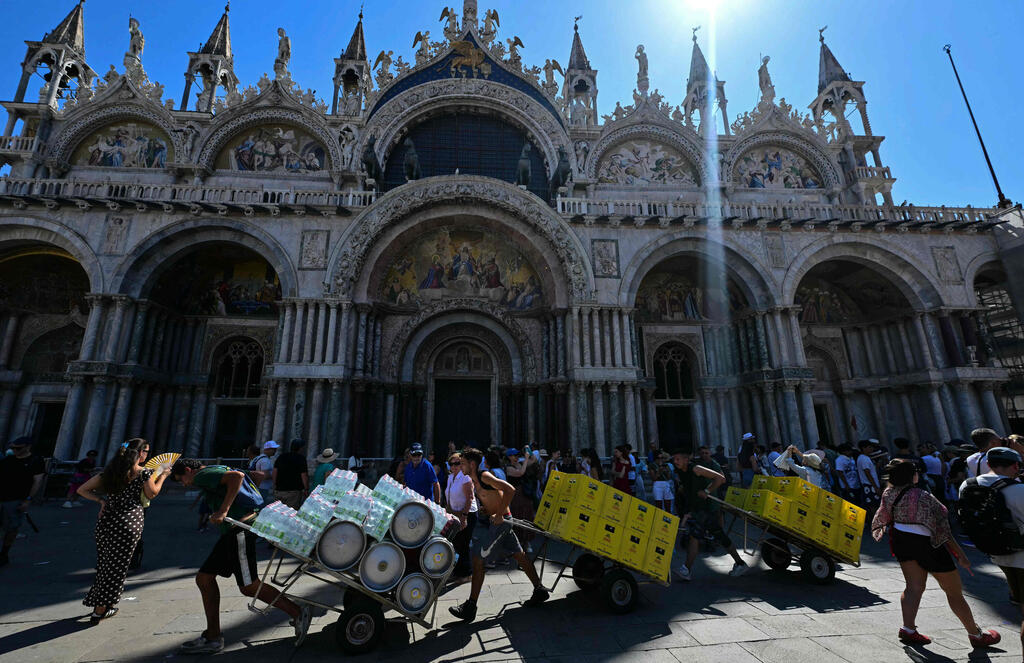
Meanwhile, the heatwave continues to move east
(Photo: Stefano RELLANDINI / AFP)
According to AFP, at least 191 million people across Europe, particularly in Germany, Poland, Hungary and the Czech Republic, are expected to experience temperatures above 35 degrees Celsius (95°F) on Sunday, slightly fewer than on Saturday.
Saturday saw a string of national temperature records fall across Europe.
Germany recorded an all-time high of 41.5 degrees Celsius (106.7°F) in Möckern-Drewitz, in the eastern state of Saxony-Anhalt, surpassing the previous record of 41.3 degrees (106.3°F) set just one day earlier near Saarbrücken on the French border. In Berlin, police deployed water cannons not to disperse protesters but to cool residents.
Denmark also set a new national record of 37 degrees Celsius (98.6°F) north of Aarhus, the country’s highest temperature since records began in 1874.
The Czech Republic recorded a new national high of 40.9 degrees Celsius (105.6°F) north of Prague.
Switzerland also set a new June record, with temperatures reaching 39 degrees Celsius (102.2°F) in Basel.