








Much of the world has made encouraging strides in reducing toxic problems such as water and air pollution that have long plagued communities. But there is still a widespread lack of progress among countries in dealing with the climate crisis, according to the latest edition of an influential environmental scorecard.
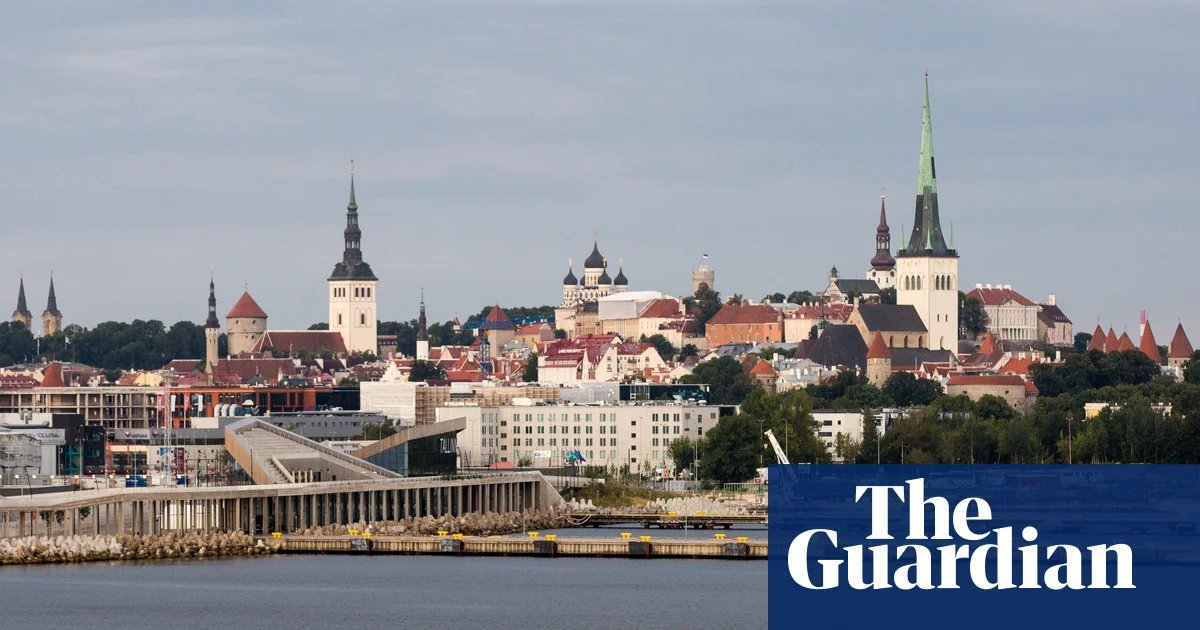
The biennial Yale University index again ranks Estonia as the best-performing of 177 assessed countries, after strong recent efforts to reduce its greenhouse gas emissions and protect its ecosystems. Luxembourg is second, and the UK is third, having moved up from fifth place in the 2024 index.
European countries dominate the top 20, with only Japan, in 16th, not situated in the continent. Australia is in 25th place, two places ahead of the US. Laos is the last-ranked nation, with the bottom three rounded out by India and Bangladesh.
The environmental performance index, which has been produced periodically by Yale since 2002 and provided to the Guardian ahead of wider release, assesses countries on 47 environmental indicators, ranging from their success in reducing air and water toxins to the sustainability of their forests, fisheries and farmlands. Actions to reduce pollutants such as pesticides and planet-heating gases are also noted.
Overall, the scorecard shows that there has been long-term progress in reducing various environmental hazards such as unsafe drinking water and the pollution that causes acid rain, although the world continues to dawdle in its response to the climate crisis, with few countries on track to meet their net zero emissions commitments. The gravity of the climate threat has been underlined with recent, deadly heatwaves in Europe and the US.
“Air pollution has gotten a lot of attention in a number of countries and significant progress as a result, water availability, healthy drinking water is another issue that there’s a quick public payback to in the political world,” said Daniel Esty, an environmental policy expert at Yale.
“There’s progress on some issues but not enough progress on a critical set of issues like climate change. And there’s nothing like temperatures approach 40C in countries to help sharpen the focus on the need for a stepped up policy response.”
The rapidly heating world is set to soon breach internationally agreed global temperature thresholds, beyond which will cause a further escalation in heatwaves, storms, droughts and conflict, scientists warn. A new annual global temperature record is virtually certain in the next four years, with a developing El Niño climatic event set to push up heat in many parts of the world.
Despite this worsening situation, several countries, most notably the US under Donald Trump, have recently scaled back efforts to combat the climate crisis. The Yale index uses data up to 2024, capturing the last part of Joe Biden’s presidency rather than Trump’s, but still finds that even then the US’s emissions were falling far too slowly to reach net zero by 2050, as the science demands must be done to avoid disastrous climate breakdown.
China, now the world’s largest carbon emitter ahead of the US, has made huge progress in developing its clean energy sector, the Yale report finds, but still derives 56% of its electricity from coal, the dirtiest of fossil fuels, and performs relatively poorly on its marine conservation and biodiversity stewardship, the scorecard found.
In the UK, the report cites measures including the protection of biodiversity on land and water, the reduction of indoor and outdoor air pollution, and the reduction in greenhouse gases as areas of progress. But it cautions that the country’s ranking is relative to others, not absolute, and that it is still falling short of where in needs to be, with high losses of tree cover, bottom trawling and fertiliser use named as problem areas.
“Europe has really stepped out in front and is continuing to pursue climate change with not the full vigor it might have a few years back when the political circumstances were different, but they’re getting the payback for decades now of work on this issue at the cutting edge,” said Esty.
“The laggards in the US and China both are still lagging, seem to be falling further behind and are holding back the global community’s efforts to achieve the targets that have been agreed upon.”
China has climbed the table somewhat to 129th position, however, after previously being ranked near last due to the dangerous air pollution suffered by many of its major cities. It has since removed many of the coal-fired power plants near cities that caused such problems. The Yale index also marks India down for its tree cover loss, pesticide pollution risks and ocean conservation from the last index. “India’s performance is shockingly bad for a country that aspires to be a leader in global terms on the economy,” Esty said.
The environmental index can read somewhat as a league table topped by the world’s wealthiest countries, with poorer nations less able to invest in sanitation or new clean energy projects languishing near the bottom. There is the added problem too, the Yale researchers acknowledged, of rich western countries offshoring much of their manufacturing and even waste to developing countries, thereby shifting their pollution burden overseas and out of mind.
But there are low-cost options to cut emissions, Esty said, that many countries have now taken, such as scaling up renewables as solar and wind have got cheaper. However, “it gets harder as you get to the later reductions of emissions that everyone needs to ultimately do to achieve a net zero profile in greenhouse gas emissions by 2050,” he added, citing areas such as air travel as still being overly reliant on fossil fuels.
There are some notable differences between wealthy countries, too. The US generally lags other rich countries in its rankings, while Europe performs relatively badly on agricultural sustainability, apart from the UK which “has done a pretty good job of repurposing farm subsidies to support sustainability when they’re outside of Europe”, Esty said.
The large compendium of work required for the scorecard is worthwhile, Esty said, as it helps prod countries to do better than their regional neighbors. Leaders from countries including Denmark, Turkey, Oman and the Democratic Republic of the Congo were among those who have talked to the Yale researchers in recent years on how they can improve their scores, he added.
“With this kind of leaderboard very productive in spurring competitive efforts among leaders to do better, even the hardest of autocrats has called up for guidance,” he said.