








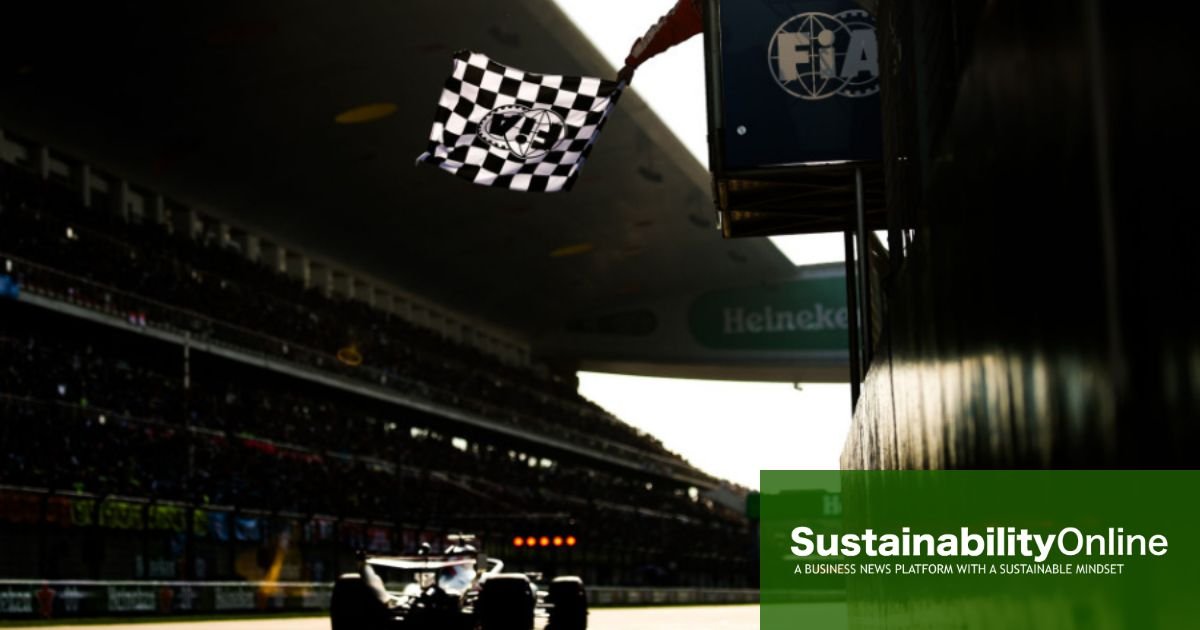
The Fédération Internationale de l’Automobile (FIA) has expanded its Environmental Accreditation Programme to more than 260 accredited organisations, providing its members with the tools to better manage their environmental impact.
The group made the announcement in its 2025 Sustainability and Diversity & Inclusion report, in which it highlighted progress across environmental frameworks, inclusion programmes and operational emissions management.
Environmental Accreditation Programme
During the year, its Environmental Accreditation Programme was adopted by 70 additional organisations – a 37% increase year-on-year, while 33 accreditations were renewed and nine upgraded.
Sustainability grants from the FIA increased by 24% (to €340,000), supporting projects linked to emissions reduction, biodiversity, mobility access and education, while the year also saw the FIA approve its first technical and safety regulations for liquid hydrogen-powered vehicles.
According to a survey conducted among FIA member organisations, more than 90% of accredited member clubs said that the Environmental Accreditation Programme had strengthened sustainability goals, added value to their business and enhanced their leadership position.
Among member clubs that are not yet accredited, 86% said that they see sustainability as a strategic priority.
Operational emissions
In terms of its operational performance, meanwhile, the FIA maintained its commitment to reduce absolute emissions by 2030, however total emissions increased 16% year-on-year due to higher staffing levels and the opening of a new London office, it noted.
The FIA also said business travel linked to conferences, meetings and assemblies contributed to a rise in overall emissions.
‘The rise in the footprint does not mean progress has stopped, but reinforces the need for a more targeted response and strategy,’ it noted. ‘It highlights the necessity to drive lower-carbon choices across motor sport and mobility, by encouraging better decisions on logistics, travel, events, procurement, and collaboration across the ecosystem.’
Elsewhere, logistics-related emissions fell by 2% year-on-year, due to the rollout of HVO-powered DHL trucks across the European race calendar, while its overall logistics footprint saw a 22% reduction, due to a ramp-up of investments in sustainable aviation fuels.
“Looking ahead, our direction is clear,” commented H.E. Mohammed Ben Sulayem, president of the FIA. “We will continue to innovate, strengthen frameworks, and raise standards. Together, we are shaping a future in which motorsport and mobility are not only more sustainable, but more inclusive, accessible, and truly reflective of the diverse global community we serve.” Read more here. [Main image from FIA website]