








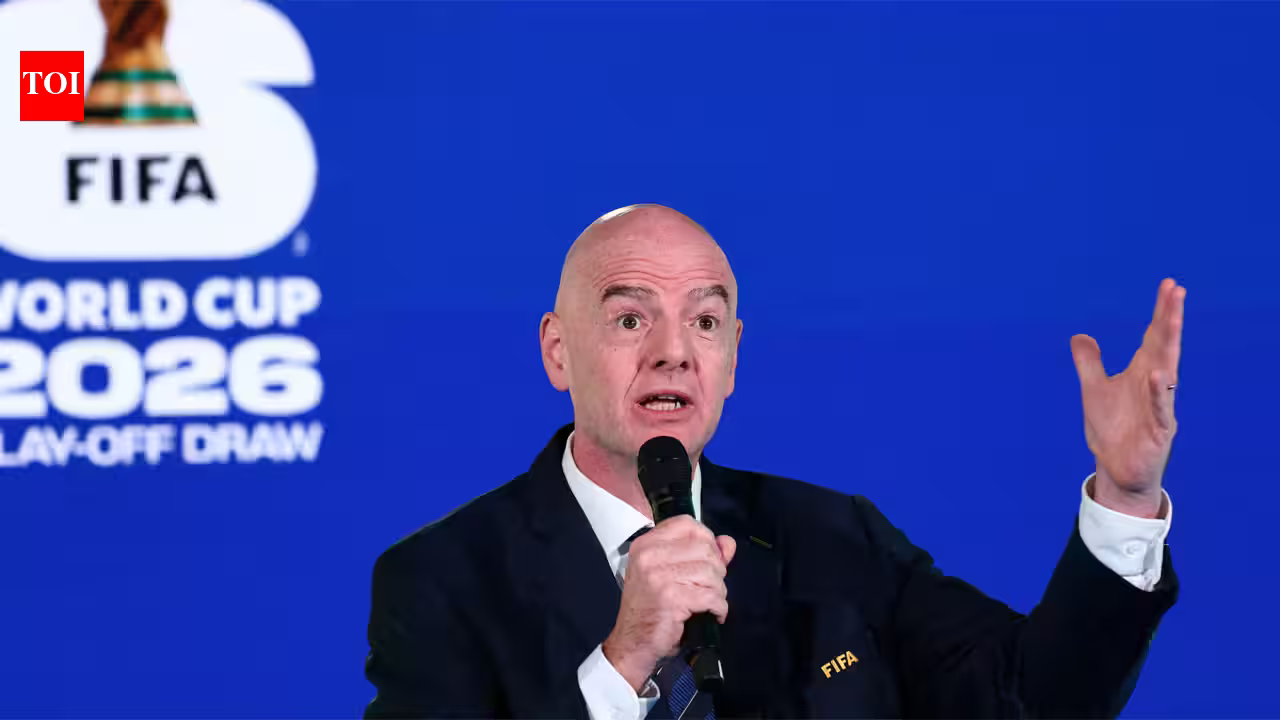
ZURICH — The world of international football has been rocked by a sophisticated digital breach, as FIFA confirmed on Thursday that it was the target of a targeted criminal cyberattack. The governing body, which oversees the globe’s most popular sport, revealed that unauthorized actors successfully gained access to a cache of sensitive personal and business information, marking a significant security lapse for an organization that manages billions of dollars in assets and data.
While the governing body has remained tight-lipped regarding the specific timeline of the intrusion and the exact identity of the affected parties, it has launched an urgent investigation in conjunction with international law enforcement agencies. The incident has cast a long shadow over FIFA’s headquarters in Zurich, raising pressing questions about the integrity of its digital infrastructure at a time when the organization is navigating significant political and financial turbulence.
A Targeted Breach Under Investigation
FIFA’s official response to the breach has been measured but stern. A spokesperson for the organization confirmed the nature of the attack to Reuters, stating that the unauthorized access was confined to a “limited set of personal and business information.” Despite the gravity of the news, the organization has yet to disclose the precise scale of the breach or the specific nature of the documents compromised.
According to a source with direct knowledge of the matter, FIFA’s internal assessment suggests that the impact is relatively contained, with less than 0.1% of the total data held by the organization affected. Furthermore, officials were quick to move to reassure stakeholders that critical assets, including files related to the high-profile and now-defunct “FIFA Forward Enterprise” project, remained secure and were not part of the exfiltrated data.
“FIFA is working closely with the relevant authorities, including law enforcement,” the organization stated in a dispatch to the Associated Press. The investigation is expected to be comprehensive, involving cybersecurity experts tasked with hardening the governing body’s defenses against future incursions.
Hackers Make Bold Claims
The revelation of the breach follows a series of taunts from a group identifying itself as the “Handsome Boy Hacking Club.” The group surfaced on social media platform X last week, posting a screenshot that purported to show internal FIFA files. The tension escalated three days later when the group claimed responsibility for the breach in response to reports alleging that over 12 gigabytes of internal documentation had been leaked.
FIFA, however, has stopped short of verifying the hackers’ identity or confirming that the information posted on social media is indeed authentic. Despite this, the governing body issued a blistering condemnation of the incident, labeling the theft and potential publication of personal data as a “serious and unacceptable violation of privacy.”
“FIFA condemns in the strongest possible terms the unlawful acquisition and publication of information,” the organization said. “Such actions can have significant consequences for the individuals concerned.” As of Thursday, the governing body has provided no clarification on whether any of the accessed data has been leaked onto the dark web or public forums, leaving many employees and partners in a state of uncertainty regarding their personal information.
Political Scrutiny and the Shadow of the World Cup
The timing of this cyberattack could hardly be more difficult for FIFA President Gianni Infantino. The breach arrives amidst a period of heightened scrutiny regarding his leadership and the organization’s strategic direction.
Earlier this year, Infantino’s administration faced a major PR crisis following the collapse of a controversial proposal to privatize a significant stake in the World Cup. The plan, which would have seen FIFA sell a 20% stake in a new corporate entity responsible for managing its marquee tournaments to private investors, aimed to raise an estimated $4.2 billion. However, following a storm of backlash from fans, pundits, and stakeholders who feared the commercialization of the game, Infantino confirmed in July that the proposal had been officially abandoned.
Beyond the fallout from the failed investment deal, the organization is bracing for the upcoming FIFA presidential election scheduled for March 18. Infantino, who is seeking to extend his tenure until 2031, is currently running against Japan’s Kohzo Tashima and France’s Philippe Diallo. In the high-stakes world of sports politics, the emergence of a security breach—regardless of its technical scale—provides ammunition for critics who have long called for greater transparency and administrative oversight within the organization.
As the investigation into the “Handsome Boy Hacking Club” continues, the sporting world remains on high alert. For FIFA, the challenge is twofold: they must not only navigate the complex criminal investigation and secure their digital perimeter but also maintain the trust of a global audience during one of the most demanding chapters of Infantino’s presidency. For now, the focus remains on containment, as the world awaits further details on the extent of the damage caused by this unprecedented digital intrusion.
Disclaimer: This content is auto-generated for informational purposes only.
Source: Read Original News