









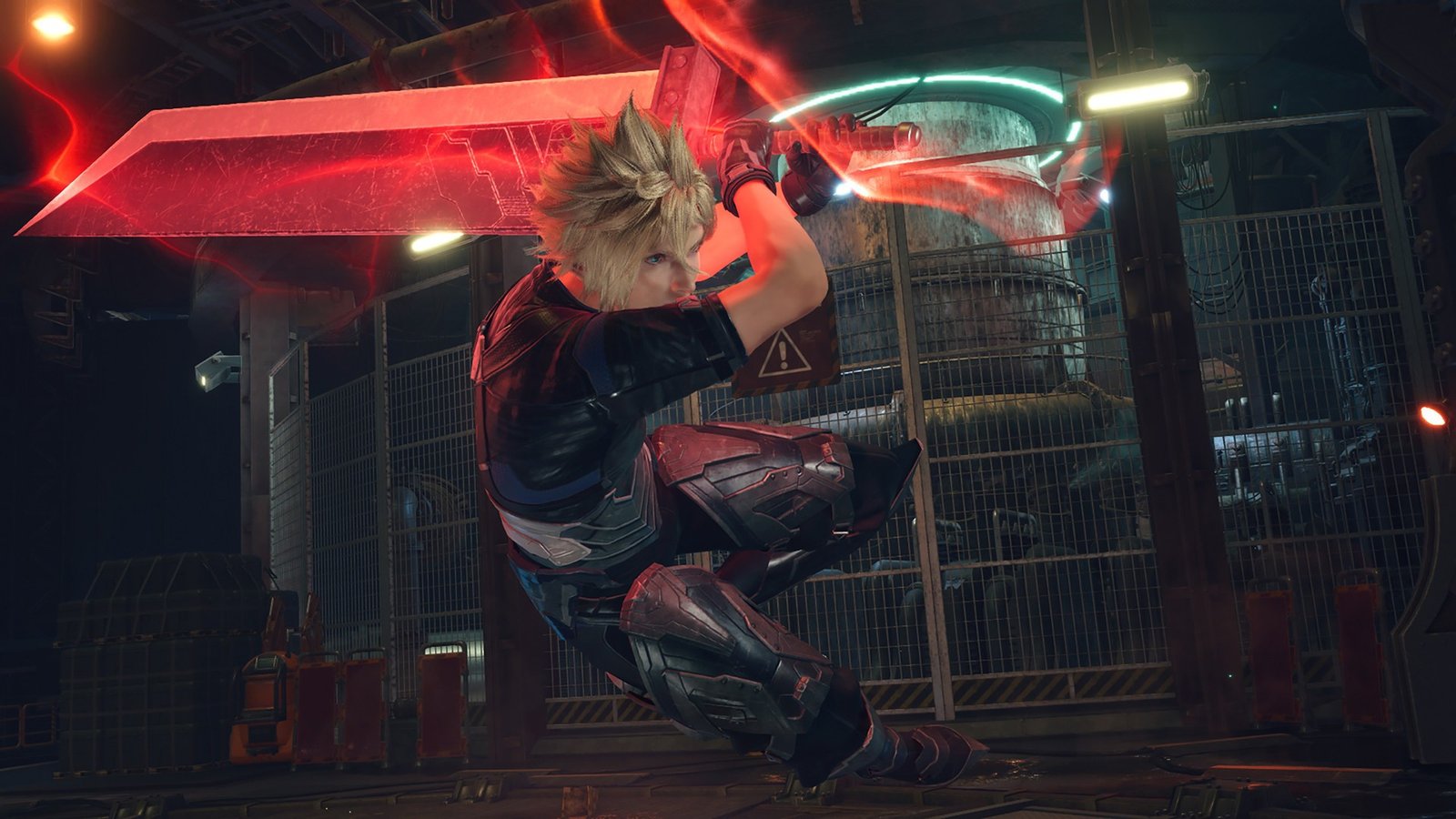
The Evolution of the Final Fantasy VII Trilogy
The Final Fantasy VII remake trilogy has stood as a monumental technical achievement since its inception. What began as a reimagining of a classic title has transformed into an expansive, modern RPG series that pushes the boundaries of current-generation hardware. As the industry prepares for the April 8, 2027, launch of the third installment, titled Revelation, the scope of the project has expanded significantly. Unlike previous releases, Revelation is set to launch simultaneously across all platforms, including the Nintendo Switch 2, a feat that highlights the increasing architectural capabilities of portable hybrid systems.
The trilogy’s journey from linear corridors to vast, interconnected zones has been defined by a constant push for higher fidelity and complex, real-time rendering. With the conclusion of this narrative arc, Square Enix has aimed to implement features that demand significant memory and processing power, such as seamless transitions between aerial exploration and ground-level combat.
Technical Architecture and World Scope
Revelation differentiates itself from its predecessors through a vastly larger open-world design. During recent hands-on demonstrations, the sheer scale of the in-game environment was evident, characterized by expansive ocean vistas and dense, multi-layered landmasses. The inclusion of the Highwind airship allows for near-seamless travel, enabling players to navigate between distinct biomes without the traditional constraints of localized area loading.
From a technical perspective, the ability to transition from high-altitude aerial flight to the surface involves sophisticated streaming technologies. The engine handles the rapid loading of assets as players descend, an operation that is traditionally hardware-intensive. The integration of this mechanic suggests a robust optimization of the underlying game engine, likely utilizing advanced data compression and aggressive culling techniques to maintain stability while traversing the game’s varied geography.
Impact of Hardware Constraints on Portable Performance
The decision to bring such a data-heavy title to the Nintendo Switch 2 poses an interesting engineering challenge. Previous entries in the trilogy established a baseline for what could be achieved on the platform through strategic compromises in resolution and texture density. However, the sheer density of Revelation—which features complex navigation tools like grappling hooks and intricate environment-based puzzles—requires a more precise management of system resources.
Engineers at Square Enix are tasked with balancing the high-fidelity expectations of the player base with the thermal and power limitations inherent in mobile hardware. While the PlayStation 5 version demonstrates the intended target for visual performance, the portable version must prioritize frame-rate stability and input latency. Observations from early testing indicate that while the core gameplay mechanics remain consistent across platforms, players on portable hardware may encounter adjustments in lighting models and draw distances to preserve the seamless nature of the open world.
Gameplay Mechanics and Environmental Complexity
The gameplay in Revelation expands upon the established combat systems while introducing new traversal mechanics. The addition of a grappling hook system fundamentally changes how players interact with verticality and environmental exploration. This feature is not merely cosmetic; it is integrated into side content, such as the Wutai area photo events, which require precise movement to access hidden locations.
The game also places a heavy emphasis on dynamic quest management. The navigation bar acts as a hub for real-time notifications, managing a high volume of side quests and main story markers simultaneously. This high density of interactive elements necessitates a robust UI layer that does not impede the overall performance of the game. For players, this results in a persistent sense of discovery, though it also creates a high volume of active entities that the hardware must track at all times, further emphasizing the need for efficient background processing.
Future Prospects for Ambitious Ports
The success of Revelation on the Nintendo Switch 2 will likely serve as a benchmark for future AAA game development on portable devices. If Square Enix successfully delivers a feature-parity experience, it will demonstrate that modern RPGs with massive open-world environments are no longer exclusive to stationary consoles. This development suggests a maturation of the hybrid console market, where developers are becoming increasingly adept at utilizing scalable engine parameters to bridge the gap between varying tiers of hardware.
The potential for “miracle ports”—highly optimized versions of complex titles—hinges on the ability to maintain the artistic intent of the developers while working within strict performance budgets. As the industry moves toward a future of hardware-agnostic releases, the technical strategies employed for Revelation will undoubtedly influence how studios approach the optimization of large-scale, high-fidelity games for diverse user bases. Whether or not this title marks the upper limit of what the current portable hardware can achieve remains to be seen, but the sheer ambition of the project is undeniably a significant milestone for the franchise.
Disclaimer: This content is auto-generated for informational purposes only.
Source: Read Original News