








The release of the iPhone Duo, Apple’s first foray into the foldable smartphone market, has been marked by both overwhelming consumer demand and early hardware scrutiny. Following the global launch of the $1,999 device, a series of reports from users in Australia, India, and the United States have surfaced across social media platforms detailing premature failures of the inner display. While Apple has acknowledged that a small number of units are affected by a display glitch, the situation has ignited a broader discussion regarding the manufacturing challenges associated with folding display technology.
The Anatomy of the Reported Display Glitch
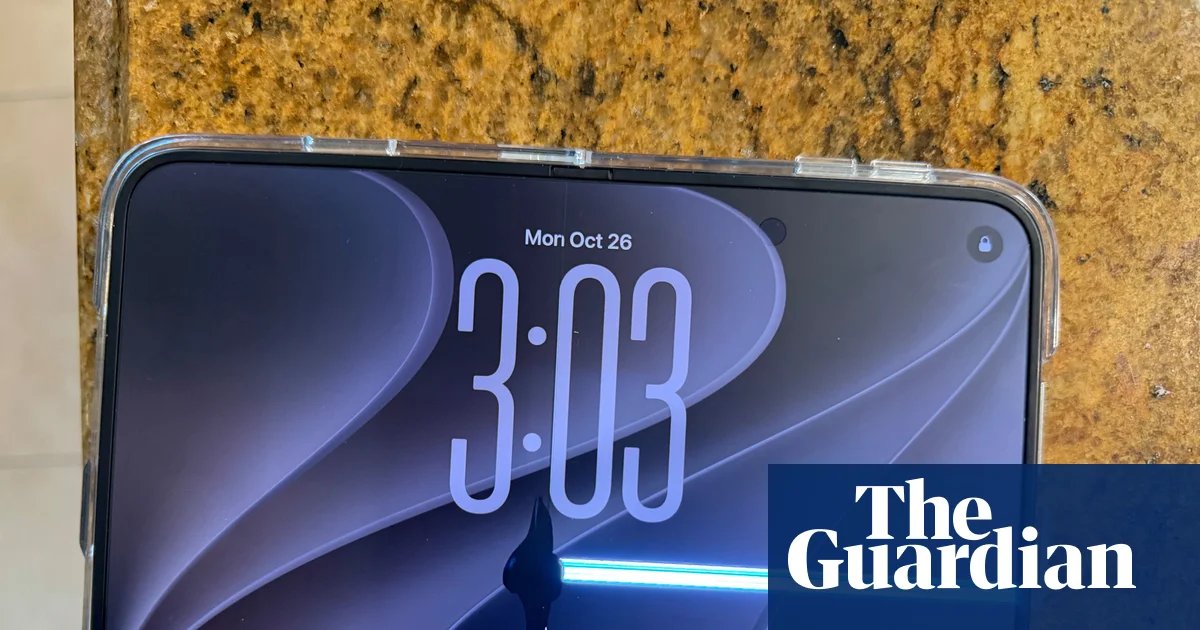
Reports from early adopters describe a specific, concerning failure pattern. Users have documented instances where, upon opening the device, they felt an unusual physical resistance or friction near the internal hinge mechanism. This is often followed by an audible cracking sound and the subsequent malfunction of the screen. Visual evidence shared on platforms such as Reddit typically depicts a distinct white strip of light appearing vertically or horizontally across the internal display, indicating that the underlying organic light-emitting diode (OLED) layers or the flexible protective substrate has been compromised.
The consensus among those reporting the issue suggests a potential misalignment or debris-related failure within the hinge assembly, which is the most critical mechanical component of any foldable handset. When the hinge does not operate with uniform pressure, stress is transferred directly to the flexible panel. Because these displays rely on ultra-thin, foldable glass or polymer layers, even a microscopic structural compromise at the hinge point can lead to catastrophic cracking during normal operation.
Apple’s Official Response and Mitigation Strategy
In light of the mounting reports, Apple has officially acknowledged the issue. The company stated that it is aware of an incident impacting the inner display on a limited number of iPhone Duo units. Apple’s guidance to consumers remains straightforward: users who encounter any irregularities or cracks in their displays are advised to contact AppleCare immediately to facilitate a product replacement.
From a technical service perspective, the company is treating these as hardware defects. By offering immediate replacements, Apple is attempting to address consumer concerns proactively, a strategy that echoes previous industry responses to early-generation foldable technology. The company has maintained that the overall reception of the device remains positive, and it characterizes the impacted units as a small fraction of the total population currently in the hands of consumers.
Contextualizing Foldable Hardware Challenges
Hardware experts and market analysts have noted that the growing pains being experienced by the iPhone Duo are not unprecedented. When manufacturers transition from rigid, traditional smartphone form factors to complex, folding mechanical architectures, the complexity of the supply chain increases exponentially. Each foldable unit requires precise calibration between the hinge assembly, the flexible display panel, and the protective casing.
Analyst Francisco Jeronimo of IDC emphasized that such issues are frequently encountered during the introduction of novel hardware categories. He pointed toward the 2019 launch of the Samsung Galaxy Fold, which faced similar early-life reliability concerns. The primary factor in maintaining consumer confidence in such scenarios is transparency and rapid support. Because the industry has seen this trajectory before, the current reports are viewed by many experts as a standard, albeit difficult, phase of the product’s lifecycle, rather than an immediate sign of a fatal design flaw.
Market Impact and Supply Chain Constraints
The technical issues have arrived during a period of intense pressure for Apple’s production lines. Reports from the Economic Daily suggest that the device has already sold out, with the next window for shipments not expected until January. This inventory shortage is tied to the output of Apple’s main manufacturer, Foxconn. Balancing high-volume production with the specialized, delicate assembly required for foldable screens is a significant hurdle that likely contributed to the initial shipment limitations.
The situation also marks a significant milestone for Apple’s leadership under new chief executive John Ternus. The success of the iPhone Duo is a centerpiece of the current product roadmap. While the current reports are localized to a small number of units, the optics of a $1,999 device failing within hours of purchase are naturally subject to intense media focus. The impact on Apple’s brand equity will likely depend on the speed and efficiency with which these replacements are handled in the coming weeks.
Evaluating Long-term Reliability
As the market waits for further data, analysts like Ben Wood of CCS have adopted a wait-and-see approach. It is currently premature to determine if these incidents represent a widespread manufacturing defect or isolated cases resulting from improper handling or early-run inconsistencies. For the average consumer, the current advice is to handle the device according to the manufacturer’s specifications, ensuring no foreign objects are trapped in the hinge during folding and avoiding excessive pressure on the crease.
The next few months will be critical for the iPhone Duo. As more units reach the market, the frequency of these reports will provide a clearer picture of whether the internal hinge mechanism requires a manufacturing adjustment. For now, the technology remains at the cutting edge of industrial design, and early adopters serve as the unintended frontline for testing the durability of these complex, folding devices in real-world environments. Apple’s commitment to providing replacements suggests that the company is prepared to manage the situation through its standard, highly integrated support ecosystem.
Disclaimer: This content is auto-generated for informational purposes only.
Source: Read Original News