Record wildfires and heatwaves, long droughts and continued ice loss severely affected Europe in 2025, as a report released Wednesday highlights the real-world impact of climate change on the fastest-warming continent on Earth.
The latest European State of the Climate report by the European Centre for Medium-Range Weather Forecasts (ECMWF) and the World Meteorological Organization (WMO) showed that European forests, rivers, seas and glaciers have all been affected.
Europe witnessed its highest sea surface temperatures on record, the most extensive wildfire impacts, and a record-breaking 3-week heatwave in some Scandinavian sub-Arctic and Arctic regions that surpassed 30°C multiple times.
“In Finland, temperatures exceeded 30°C at one or more locations for 22 consecutive days,” the report reads.
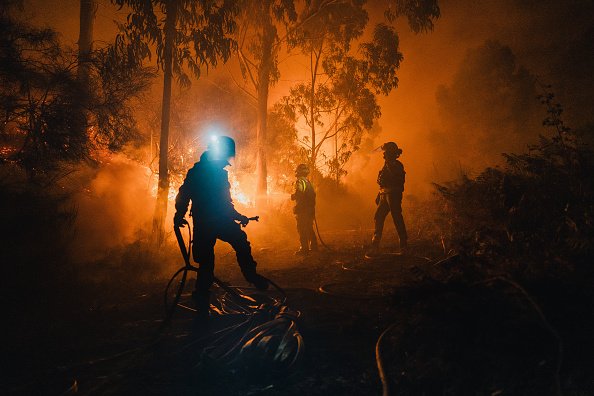
Meanwhile, the blazes that ravaged Spain, Portugal, France and other European countries last year have wiped out over a million hectares of land – an area larger than Cyprus and a record level of destruction.
Marine heatwaves were also more intense than usual, affecting 86% of European ice-free oceans.
Melting glaciers
Glaciers around the continent continued to melt – especially in Iceland, which experienced the second-largest loss of ice mass since 1976. Further north, the Greenland Ice Sheet lost the equivalent of 1.5 times the ice cover of the European Alps, though melting progressed more slowly than usual.
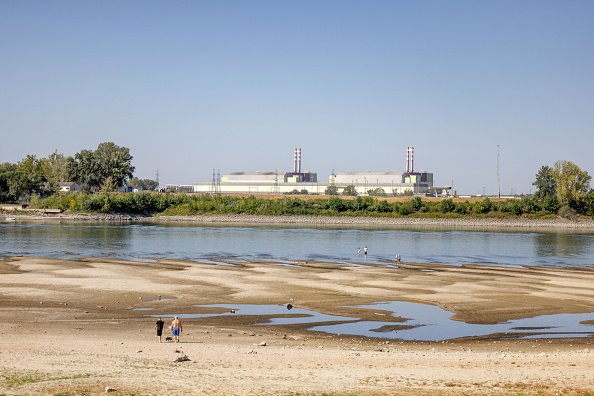
Across the continent, the March snow cover was 31% smaller than average; 70% of European rivers carried less water than their average annual flows.
These anomalies could affect Europe’s clean energy production at a time when the EU strives to shift away from fossil fuel use. Hydropower output depends on snowmelt, while heatwaves have already forced France to reduce nuclear power production in recent years as the rivers used to cool some of its reactors have become too warm.
“Ensuring resilience in our energy mix… needs to be dependent on the climate conditions of the time,” Samantha Burgess, an expert from the ECMWF, told the media during a briefing on Monday. This will, therefore, require adapting forecasts to account for the impact of reduced river levels on energy infrastructure, she said.
Activist alarm
Climate campaigners are also sounding the alarm. John Hyland, a spokesperson for the European unit of environmental activist group Greenpeace, said that “all the emergency warning lights are flashing red” and that the “climate breakdown is the greatest threat to Europe’s safety and prosperity.”
“When temperatures reach nearly 35 degrees near the Arctic Circle, it feels like we are standing at the edge of catastrophe,” he said, adding that governments face a choice between stepping up efforts to cut climate-killing carbon emissions or putting people’s lives at risk. Polluting companies should pay “their fair share to pull us back from the precipice,” he said.
(cm, ow)