







India’s AI Revolution: Solving Real-World Problems Through Pragmatic Innovation
While global tech giants in the United States and China fight for supremacy in developing massive frontier language models, India is charting a distinct path. The nation’s burgeoning AI ecosystem is bypassing the expensive, high-stakes race for foundational research to focus on what matters most: practical, ground-level application. By deploying artificial intelligence to bridge infrastructure gaps and improve public services, Indian startups are proving that the country’s AI revolution is firmly rooted in the “downstream” economy.
Solving India’s Civic Challenges
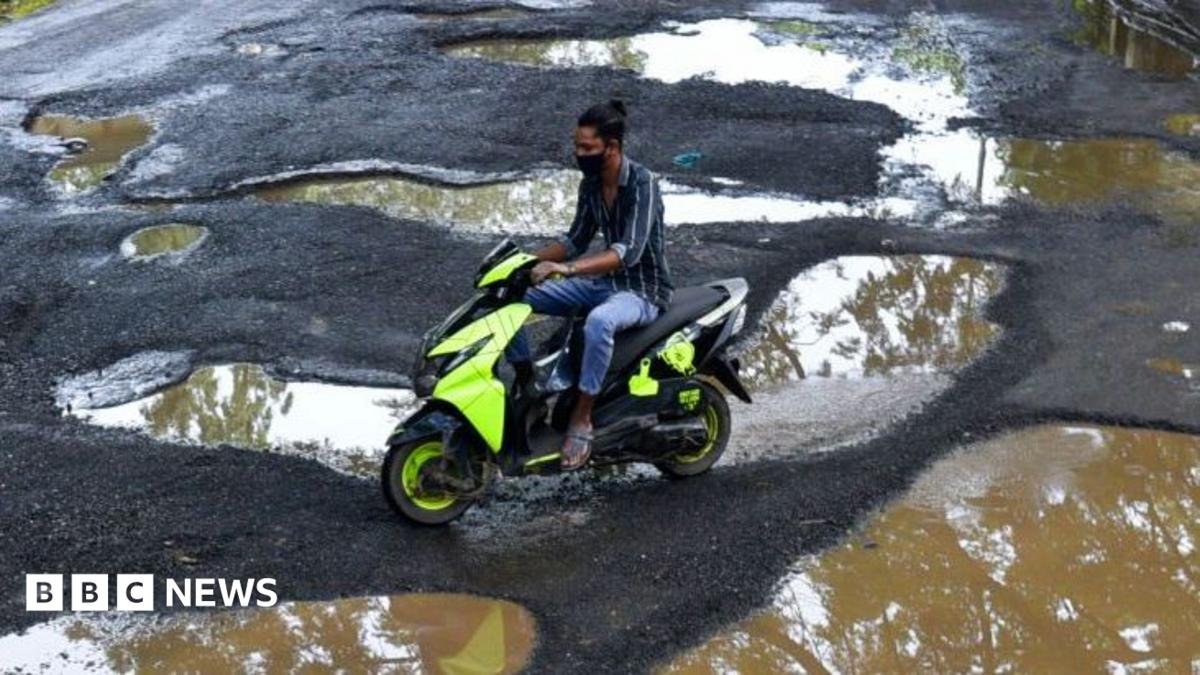
In urban sprawls where road maintenance often struggles to keep pace with rapid expansion, technology is providing a much-needed remedy. Bengaluru-based educator and innovator Gaurav Sen has gained viral acclaim for an AI-powered dash-cam application that automatically detects potholes. By combining satellite navigation with sophisticated vision models, the software maps road damage and proactively notifies the relevant civic authorities.
This model of “civic-tech” is gaining momentum, with several similar ventures emerging across the country. As Sen points out, the potential for scale is massive; municipal corporations could integrate such systems into existing fleets of public buses and taxis, creating a living, real-time map of urban infrastructure health.
Beyond infrastructure, AI is making significant strides in the overburdened healthcare sector. In Mumbai, Fractal Analytics has launched “Vaidya,” a tool designed to streamline hospital operations. By providing AI-generated, multilingual summaries of lab reports and offering pre-consultation support to doctors, the platform acts as a digital assistant for overwhelmed public health professionals. Furthermore, it offers administrators critical insights into disease trends, allowing for better management of public health resources.
Funding Surge Amidst Structural Hurdles
The potential of these innovations has not gone unnoticed by investors. According to data from Inc42, funding for Indian AI startups surged by 265% year-on-year in the third quarter of this year, with over $1 billion raised during a period that saw limited capital flow into other sectors.
However, this financial momentum belies the harsh reality of the business environment. Founders are grappling with a fundamental paradox: the immense cost of building AI infrastructure versus the limited paying capacity of the domestic market. Unlike their counterparts in the West, who can leverage higher pricing power to offset the staggering cost of computing, Indian developers must innovate within extreme cost constraints.
The Great Compute Crunch
Perhaps the most significant bottleneck for these startups is the scarcity of hardware. Training sophisticated AI models requires massive amounts of GPU (Graphics Processing Unit) power, which remains prohibitively expensive and difficult to source in India.
“I am starved for GPUs,” notes one founder, echoing a sentiment shared by many in the ecosystem. While the Indian government has initiated an “AI mission” promising to provide 38,000 GPUs to support domestic innovation, the current demand far outstrips supply. Coupled with a complex regulatory landscape and lingering bureaucratic hurdles, these infrastructure deficits remain the primary barrier preventing promising pilots from becoming national-scale solutions.
As India continues its digital ascent, the success of its AI sector will depend on more than just code. It will require a delicate balance of government support, streamlined regulation, and the relentless ingenuity that has defined the Indian startup spirit thus far. For now, the focus remains clear: solving complex, everyday problems in a country where the need for innovation is as vast as the population it serves.
Disclaimer: This content is auto-generated for informational purposes only.
Source: Read Original News