








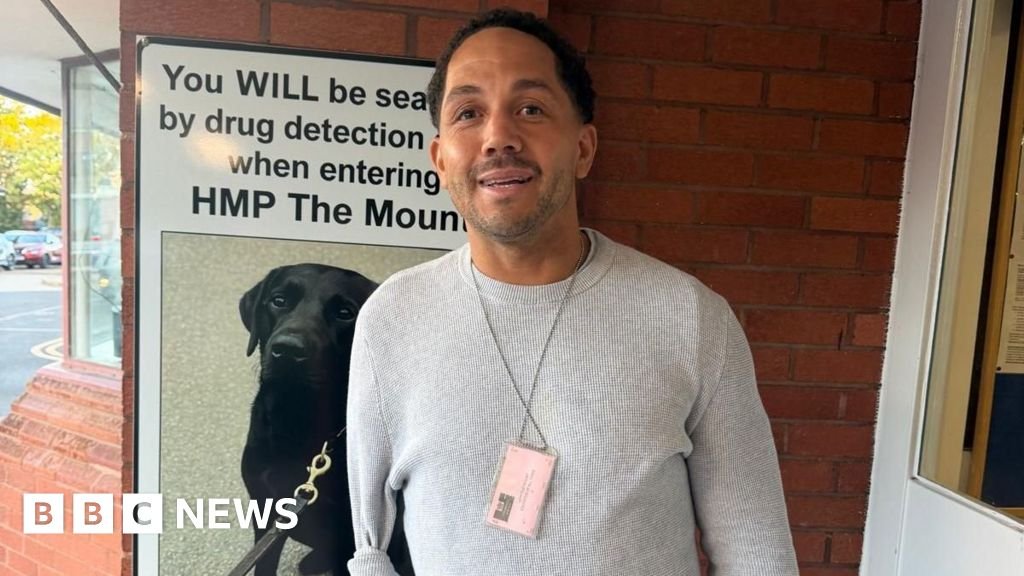
For years, the name Chris was synonymous with the dark underbelly of the city—a figure woven into the fabric of street-level crime, surveillance logs, and lost potential. Today, however, that same name is being heralded as a lifeline for a new generation teetering on the edge of the very life he once led.
In a remarkable personal transformation that has stunned community leaders and local authorities alike, Chris has stepped out of the shadows of his past to spearhead a series of intensive mentorship workshops and intervention schemes designed to steer at-risk youths away from gang affiliation and criminal activity.
“I’ve lived the consequences,” Chris said during a recent session at a youth community center. “I’ve seen how quickly a life can be derailed by a single decision, and I’ve seen how hard it is to climb back out once you’re in. My job now isn’t to preach, but to be the person I needed when I was fourteen years old.”
The program, dubbed “The Path Back,” focuses on practical skill-building, conflict resolution, and candid, no-nonsense dialogue about the harsh realities of the criminal justice system. Unlike traditional government-funded outreach, which critics often argue lacks a genuine connection to street culture, Chris’s approach is rooted in raw, lived experience. He doesn’t shy away from the trauma of his own history; instead, he uses it as a tool to dismantle the “glamorized” version of street life often peddled on social media.
Local law enforcement, who once sought Chris for questioning, now find themselves collaborating with him on outreach efforts. “It’s a rare thing to see someone completely pivot their trajectory,” said one veteran officer familiar with the area. “He has a level of credibility with these teenagers that we simply can’t manufacture. When he speaks, they listen because they know he’s been exactly where they are.”
The impact of the workshops is already being felt. Educators report increased engagement from students who were previously labeled “unreachable,” and community members have noted a tangible shift in the tension on neighborhood blocks where these young participants reside.
Despite the early successes, Chris remains humble, acknowledging that the fight for these youths’ futures is far from over. “One workshop isn’t going to fix decades of systemic neglect,” he admits. “But if I can keep one kid from picking up a weapon or dropping out of school, then I’ve made a dent. The goal isn’t perfection; it’s providing an alternative to the dead end I spent half my life walking toward.”
As “The Path Back” looks to expand its curriculum in the coming months, the city is watching closely. For a community long plagued by cycles of violence, Chris’s evolution represents more than just a personal redemption story—it serves as a glimmer of hope that the cycle can, in fact, be broken.
Disclaimer: This content is auto-generated for informational purposes only.
Source: Read Original News