









The Rise and Correction of the Blind Box Economy
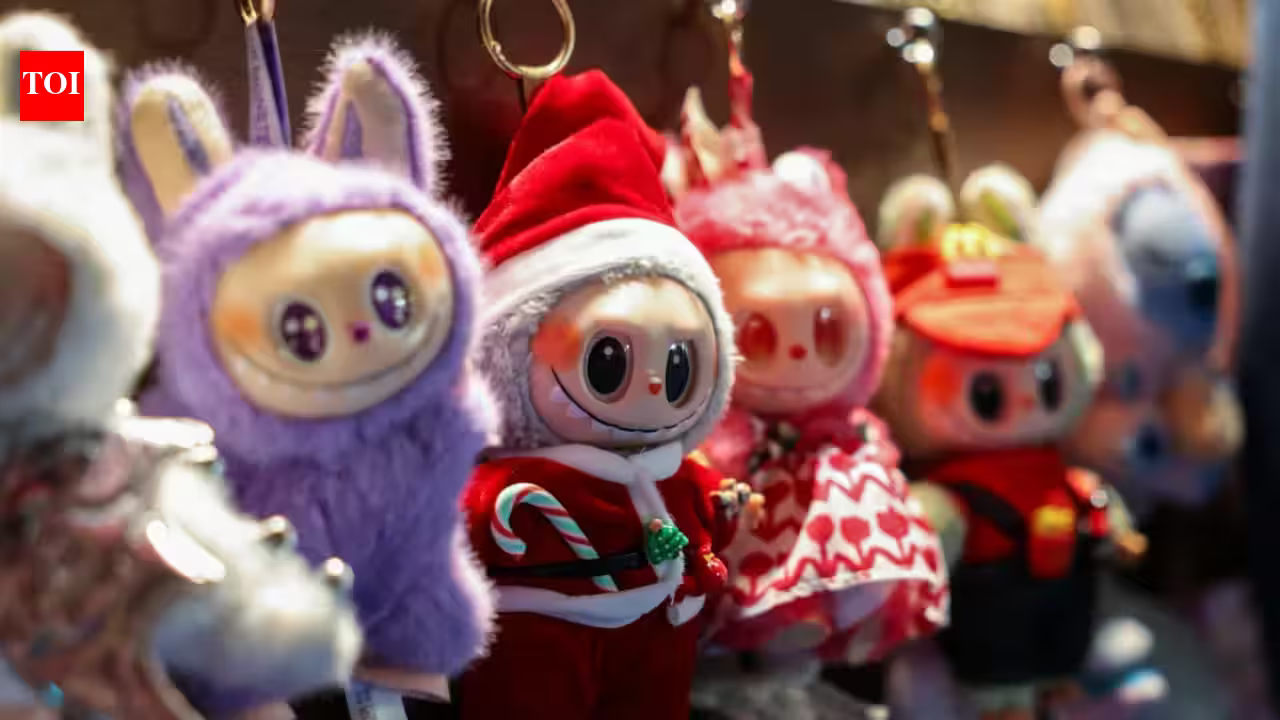
The global toy industry has witnessed a dramatic shift in consumer behavior driven by the rise of “blind box” collectibles. At the center of this movement was Pop Mart, a Beijing-based company that transformed simple plastic figurines into high-demand status symbols. The most prominent of these, the Labubu dolls—characterized by their mischievous, jagged-tooth grins—became a cultural phenomenon, commanding prices far beyond their retail value on the secondary market. However, recent market data suggests that the fever surrounding these characters is cooling significantly.
The economics of the blind box model relies heavily on scarcity and the thrill of the unknown. When a consumer purchases a sealed box, the psychological anticipation of uncovering a rare edition mirrors the excitement of gambling or surprise gifting. This model propelled Pop Mart to a multibillion-dollar valuation, temporarily positioning the firm as a juggernaut capable of competing with legacy toy giants like Mattel and Hasbro. Yet, the recent cooling of sales, with reports indicating substantial revenue drops in international markets, underscores the volatility inherent in trend-driven retail. When a business model is predicated on viral momentum, it becomes susceptible to the “fizzling out” effect as soon as the novelty wears off or the market becomes saturated.
The Perils of Overproduction and Lost Exclusivity
A core component of the Labubu strategy was perceived scarcity. Enthusiasts were willing to pay premium prices for rare figures, fostering a vibrant, if volatile, resale market. However, as Pop Mart scaled its operations to meet surging global demand, the very factor that fueled the craze—exclusivity—began to erode. When a product becomes readily available on store shelves and in automated vending machines, the motivation for collectors to hunt for elusive pieces diminishes.
Market analysts observe that Pop Mart’s transition from a niche, high-demand brand to a mass-market retailer resulted in a dilution of brand value. Once collectors realized that their “rare” finds were becoming mass-produced commodities, the urgency to participate in new releases declined. For the Indian market, which is seeing a burgeoning interest in global pop-culture trends, this serves as a cautionary tale. Brands entering the premium collectibles space must balance the desire for scale with the necessity of maintaining a sense of limited-edition prestige, as once that allure is lost, it is notoriously difficult to regain.
Shifting Consumer Tastes and the Competition for Attention
The decline of Labubu does not necessarily signal the end of the collectible figurine market, but rather a shift in consumer loyalty. As the novelty of one character line wanes, buyers are migrating toward newer, competing aesthetics. Figures like Sonny Angels and Smiski have begun to capture the attention of the same demographic that previously obsessed over Labubu. This trend demonstrates that modern collectors are often driven more by the “social currency” of a brand than by long-term attachment to a specific character.
In the broader retail landscape, consumers are becoming increasingly design-conscious and value-oriented. Brands like Miniso have successfully democratized the collectible experience by offering accessible, licensed products that focus on a fun shopping experience rather than exclusive rarity. For companies operating in this space, the challenge is to pivot from being a “viral hit” to becoming an enduring lifestyle brand. Unlike established entities such as Sanrio, which has cultivated decades of loyalty for characters like Hello Kitty, newer players often lack the deep-rooted narrative depth required to keep consumers engaged once the initial social media hype dissipates.
The Indian Perspective on Niche Collectibles
In India, the collectibles market is rapidly evolving as disposable income rises among urban youth and the influence of international digital culture grows. While physical “blind box” retail stores are still emerging, the underlying behaviors observed globally are mirrored on platforms like Instagram and YouTube. Indian consumers are increasingly participating in the same global trends, often utilizing cross-border e-commerce to source international figurines.
However, the Indian retail context presents unique challenges and opportunities. The success of any collectible brand in India depends on a mix of strategic pricing, localized marketing, and the ability to foster a community rather than just facilitating transactions. The “Labubu effect” teaches Indian retailers that relying solely on hype is a high-risk strategy. Businesses that wish to succeed in this segment must look beyond short-term viral moments and instead focus on building a sustainable ecosystem—perhaps through exclusive events, community-building, or integrating collectibles into the broader retail experience. The Indian consumer is savvy; they are likely to move quickly from one trend to the next, meaning that retailers must be agile and ready to pivot their inventory to keep pace with changing tastes.
Redefining Value for the Long-Term Collector
As the market settles, a distinction is emerging between trend-followers and serious collectors. The former are prone to deserting a product line the moment it loses its social media prominence, while the latter curate their collections with more scrutiny. The current downturn is effectively filtering out the speculative bubble, leaving behind a more dedicated customer base that values the artistry and the “inner child” satisfaction that these dolls provide.
For manufacturers, the path forward requires moving away from pure novelty and toward sustainable brand management. This involves creating characters with richer histories, higher production quality, and more intentional release schedules. The idea of “curating” a collection—buying only what one truly likes rather than purchasing every new release—is becoming the new standard. This shift suggests that the era of blind-box retail is not ending, but maturing. The businesses that will survive the current correction are those that recognize this shift from quantity to quality.
Strategic Outlook for the Collectibles Industry
The volatility faced by Pop Mart and the broader collectible industry serves as a vital lesson in modern marketing. When a product relies on celebrity endorsement and social media virality to maintain its growth, it is effectively borrowing time from its eventual decline. The transition of Labubu from a rare collectible to an accessible toy illustrates the delicate balance required in product lifecycle management.
Looking ahead, the winners in the global and Indian markets will be those who can replicate the “feel-good” experience of collecting without relying exclusively on artificial scarcity. Whether through developing film and television properties to give characters life beyond the plastic, or by fostering deep, community-driven engagement that transcends individual trends, the industry must evolve. The hype cycle may be fading, but the psychological drive for small, collectible items remains a permanent fixture of modern retail. Companies that adapt by prioritizing brand narrative and consumer experience over short-term sales spikes will be the ones that endure in an increasingly crowded and competitive landscape.
Disclaimer: This content is auto-generated for informational purposes only.
Source: Read Original News