








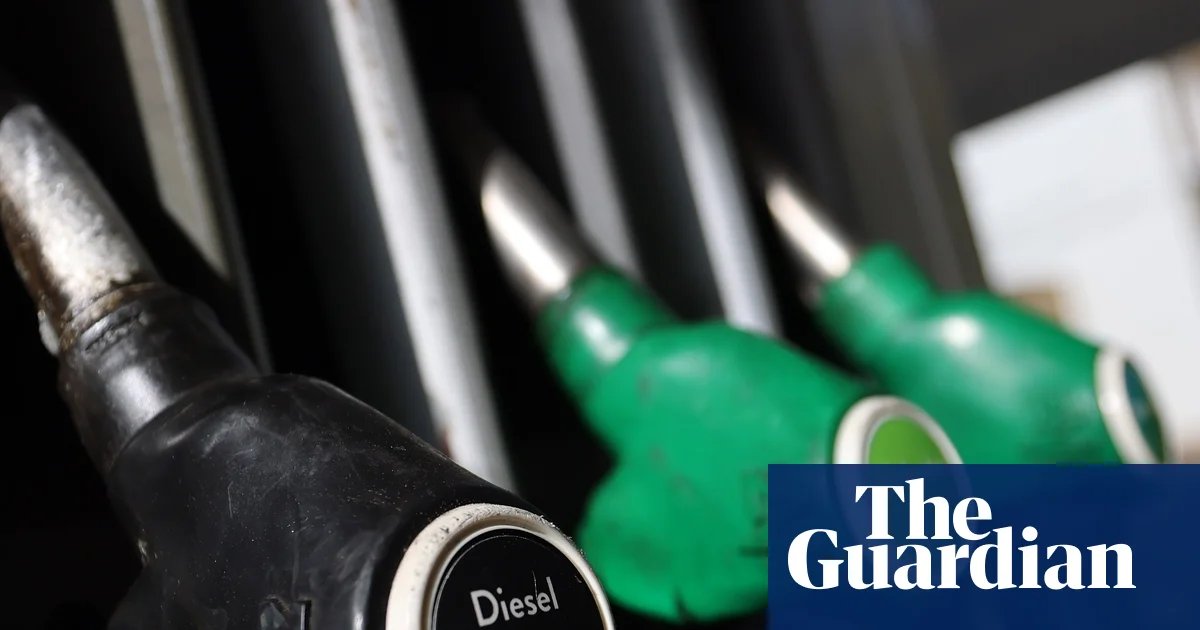
Britain has entered urgent discussions with key European allies to address a looming energy crisis as the Trump administration signals a potential ban on US diesel exports. The geopolitical tension, driven by the ongoing conflict in Iran and subsequent volatility in global oil markets, has placed the UK in a precarious position regarding its energy security.
As energy prices surge to record highs, the UK government is under immense pressure to stabilize domestic fuel supplies. With British diesel prices reaching an unprecedented 199.72p per liter this week, ministers are scrambling to prevent a supply crunch that could further destabilize the national economy.
The Global Energy Squeeze and the US Ultimatum
The current crisis stems from a convergence of factors, including the war in Iran—which has significantly disrupted transit through the Strait of Hormuz—and a push by the US government to curb domestic fuel costs ahead of the November midterm elections. Washington has explicitly pressured European nations, including Germany and France, to tap into their emergency fuel stockpiles. The administration has warned that failure to comply could result in a punitive export ban on American refined fuel products.
For the UK, which relies heavily on imports to meet its diesel demand, the threat of an American export ban is particularly alarming. Approximately one-third of the UK’s diesel imports originate from the United States, meaning any sudden cessation of these flows would leave the country highly vulnerable.
Technological Resilience: The Role of Data and AI in Energy Monitoring
While policymakers engage in diplomatic talks, the energy sector is increasingly turning to advanced digital infrastructure to mitigate such risks. Major tech firms are now playing a pivotal role in energy logistics, utilizing sophisticated AI-driven predictive modeling to monitor global supply chain vulnerabilities.
Modern “Energy Digital Twins”—platforms often supported by cloud infrastructure like Google Cloud—are being deployed by major energy firms to simulate the impact of export bans and supply chain shocks in real-time. By leveraging machine learning, these companies can better predict market price fluctuations and optimize the distribution of existing reserves. AI algorithms are currently essential for cross-referencing global refinery outputs with real-time shipping data, allowing governments and private stakeholders to track, at a granular level, exactly where supply gaps are emerging.
Furthermore, the integration of real-time satellite imagery and AI analysis, a staple in the Google Earth Engine ecosystem, has become a vital tool for intelligence agencies and energy regulators. This tech-led visibility helps track oil tanker movements and refinery capacities, providing an early warning system against potential regional shortages.
Domestic Security and Long-term Energy Strategy
The unfolding situation has highlighted a fundamental flaw in the UK’s energy independence. Fuels Industry UK, the leading trade body for the sector, has cautioned that the nation can no longer rely on the assumption of uninterrupted overseas supply. The government is now faced with the difficult task of balancing the immediate need to suppress record-high pump prices with the necessity of maintaining enough emergency inventory to survive a potentially brutal winter.
As UK Energy Secretary Miatta Fahnbulleh and Chancellor John Healey continue discussions with their American counterparts, the government maintains that the UK’s supply chain remains resilient. However, the diplomatic pressure from the White House—coupled with the broader market instability caused by the Iran conflict and Ukraine’s tactical strikes on Russian energy infrastructure—suggests that the reliance on traditional global supply chains may be entering a permanent, and far more volatile, era.
Ultimately, the crisis serves as a stark reminder that even in an age of hyper-advanced analytical tech and automated supply chain management, physical energy resources remain the primary lever of global political power.
Disclaimer: This content is auto-generated for informational purposes only.
Source: Read Original News