









The Evolution of India’s Electronic Toll Collection
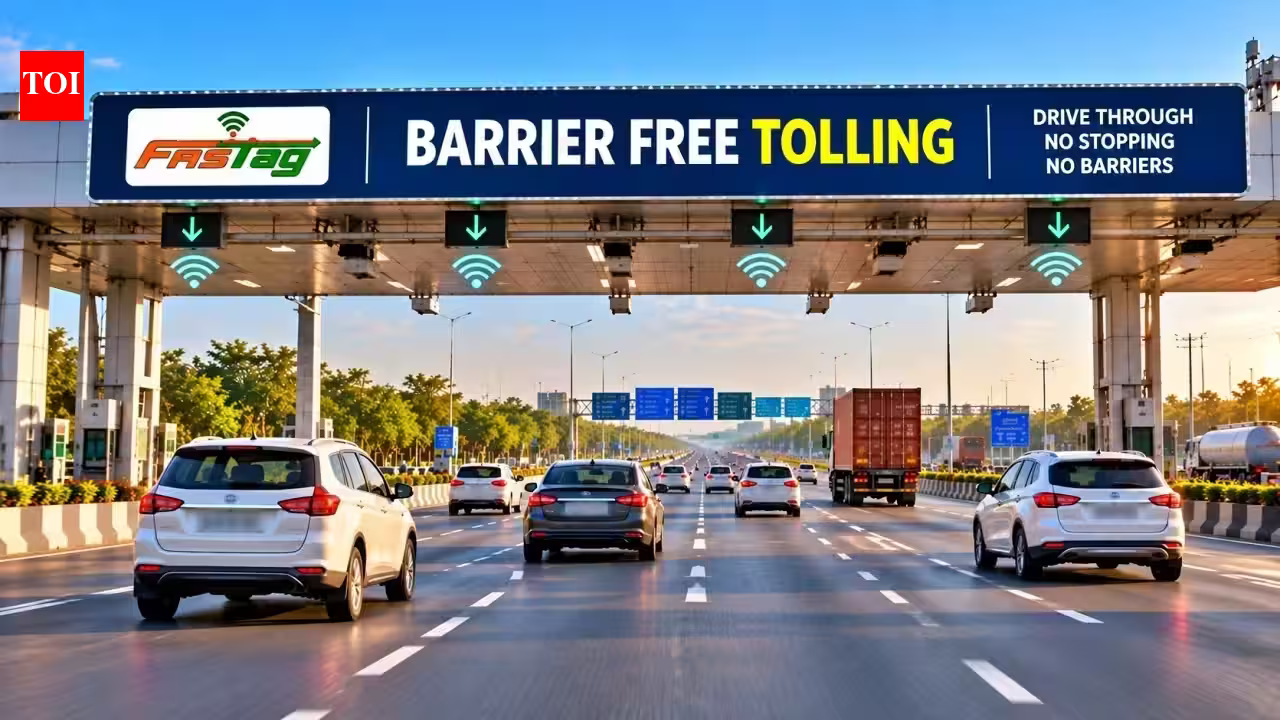
The Indian road infrastructure landscape is currently undergoing a transformative shift, moving beyond the preliminary success of FASTag toward a more seamless, high-velocity transit model. The introduction of Multi-Lane Free Flow (MLFF) tolling represents a paradigm shift in how the National Highways Authority of India (NHAI) manages traffic and revenue. While FASTag revolutionized tolling by digitizing payments and reducing congestion, it still required vehicles to decelerate and navigate through specific physical lanes. The MLFF system removes these physical impediments entirely, allowing vehicles to maintain highway speeds while overhead gantries and sophisticated sensor arrays handle fee processing.
This transition is not merely a technological upgrade; it is a vital component of India’s broader logistics and infrastructure roadmap. As the government aims to enhance the efficiency of freight movement and improve the overall user experience on national highways, the removal of barriers addresses the chronic issue of bottlenecking. By ensuring that traffic remains fluid, the NHAI is effectively reducing the time-cost associated with road transport, a factor that holds significant weight for the Indian economy, which relies heavily on road networks for the movement of goods.
Financial Performance and Market Impact
The preliminary data from the initial rollout of the MLFF system provides a compelling narrative regarding the efficacy of this technology. Between May and October 2026, the seven operational plazas integrated into the MLFF network witnessed a 19.84% increase in net revenue, totaling Rs 538.95 crore. This figure stands in sharp contrast to the Rs 449.72 crore generated in the corresponding period in 2025. This near-20% surge serves as a testament to both the improved reliability of the collection mechanism and a reduction in leakage, which often occurs at legacy toll plazas due to manual processing delays or system downtime.
From a market perspective, this revenue growth indicates that the system is not only improving operational efficiency but also capturing a higher percentage of potential toll fees. By automating the identification and deduction process, the NHAI is minimizing human intervention and maximizing the accuracy of transactions. For stakeholders, investors, and contractors involved in highway operations, these results validate the investment in high-end sensing technology and AI-based analytics. The scalability of this model suggests that as the system is deployed across a wider range of national highways, the compounding revenue benefits could significantly bolster the authority’s financial position, providing the capital necessary for further infrastructure expansion.
Technological Foundations of the MLFF System
The success of the barrier-free model relies on a multi-layered technological architecture that integrates Automatic Number Plate Recognition (ANPR), artificial intelligence, and established FASTag frameworks. At the heart of this system are overhead gantries equipped with high-resolution cameras that capture vehicle registration data in real-time, even at highway speeds. This visual data is then cross-referenced with the VAHAN database—the centralized government repository for vehicle records—to ensure precise identification.
The integration with the existing FASTag ecosystem provides the transactional backbone. When a vehicle passes under the gantry, the system performs a dual-verification process: reading the RFID tag and identifying the license plate via image recognition. This redundancy is essential for maintaining accuracy and preventing revenue losses due to faulty tags or technical glitches. Furthermore, the use of AI-based analytics allows the system to differentiate between vehicle classes automatically, adjusting the toll rate based on the specific category of the vehicle without the need for manual oversight. This sophisticated synergy of hardware and software forms the backbone of a truly intelligent transportation system.
Addressing Compliance and Enforcement Challenges
Despite the operational advantages of MLFF, the transition has introduced new categories of non-compliance, most notably the deliberate obscuring or tampering of registration plates. Some road users attempt to bypass the automated detection system by covering their license plates, rendering the ANPR cameras ineffective. The NHAI has adopted a zero-tolerance approach toward these practices, recognizing that such actions undermine the financial viability of the system and violate traffic regulations under the Motor Vehicles Act, 1988.
To counter these issues, the authority has adopted a strategy that combines physical enforcement with digital surveillance. The deployment of police check posts at critical MLFF locations ensures that violators are identified and issued challans immediately. Simultaneously, the NHAI is leveraging digital enforcement tools, such as issuing electronic notices to the registered owners of vehicles identified through the VAHAN database. By restricting access to essential VAHAN services for individuals with recurring unpaid dues, the government is creating a strong deterrent, effectively linking financial compliance on the road to the broader digital identity of the vehicle owner.
Future Outlook and Strategic Implications
The ongoing roll-out of MLFF across the Indian highway network signifies the next chapter in the digitization of India’s transport sector. As the system moves from pilot projects to a standardized feature of national highways, it promises to harmonize traffic flow, reduce carbon emissions through lower idling times, and enhance transparency in toll collection. The data-driven insights gathered from this system will likely inform future infrastructure policies, allowing for more precise traffic management and predictive maintenance of road assets.
For the Indian business landscape, the successful implementation of MLFF implies a more reliable and predictable logistics chain. As transporters and fleet operators become accustomed to the ease of barrier-free movement, the overall productivity of the supply chain is set to improve. Looking ahead, the focus will likely remain on refining the AI algorithms to minimize errors in low-light or adverse weather conditions and integrating more robust enforcement mechanisms. As the country moves toward a more automated future, the barrier-free tolling system stands as a critical success, demonstrating the efficacy of marrying sophisticated technology with large-scale public infrastructure goals. The consistent growth in revenue and transaction volumes observed in the first six months suggests that the transition is not only viable but essential for a nation striving for greater logistical efficiency and economic connectivity.
Disclaimer: This content is auto-generated for informational purposes only.
Source: Read Original News