







The Evolution of NFC Integration in Nintendo Hardware
The landscape of interactive gaming collectibles continues to shift as recent data leaks from retail giant GameStop point toward a significant expansion of the Nintendo amiibo ecosystem. By leveraging Near Field Communication (NFC) technology, these physical figurines act as tangible keys that unlock digital assets, ranging from character skins and specialized equipment to exclusive game modes. As the gaming industry moves toward the next generation of console architecture, specifically the Switch 2, these hardware updates suggest that Nintendo remains committed to the intersection of physical merchandise and software utility.
The appearance of over 20 new internal product listings suggests that Nintendo is preparing for a robust rollout of hardware peripherals over the next two fiscal years. Industry observers note that this scale of inventory management typically occurs in coordination with software announcements, indicating that the upcoming Nintendo Direct presentation will likely serve as the primary platform to detail the specific functionality of these new figures.
Understanding the Mechanics of Amiibo Functionality
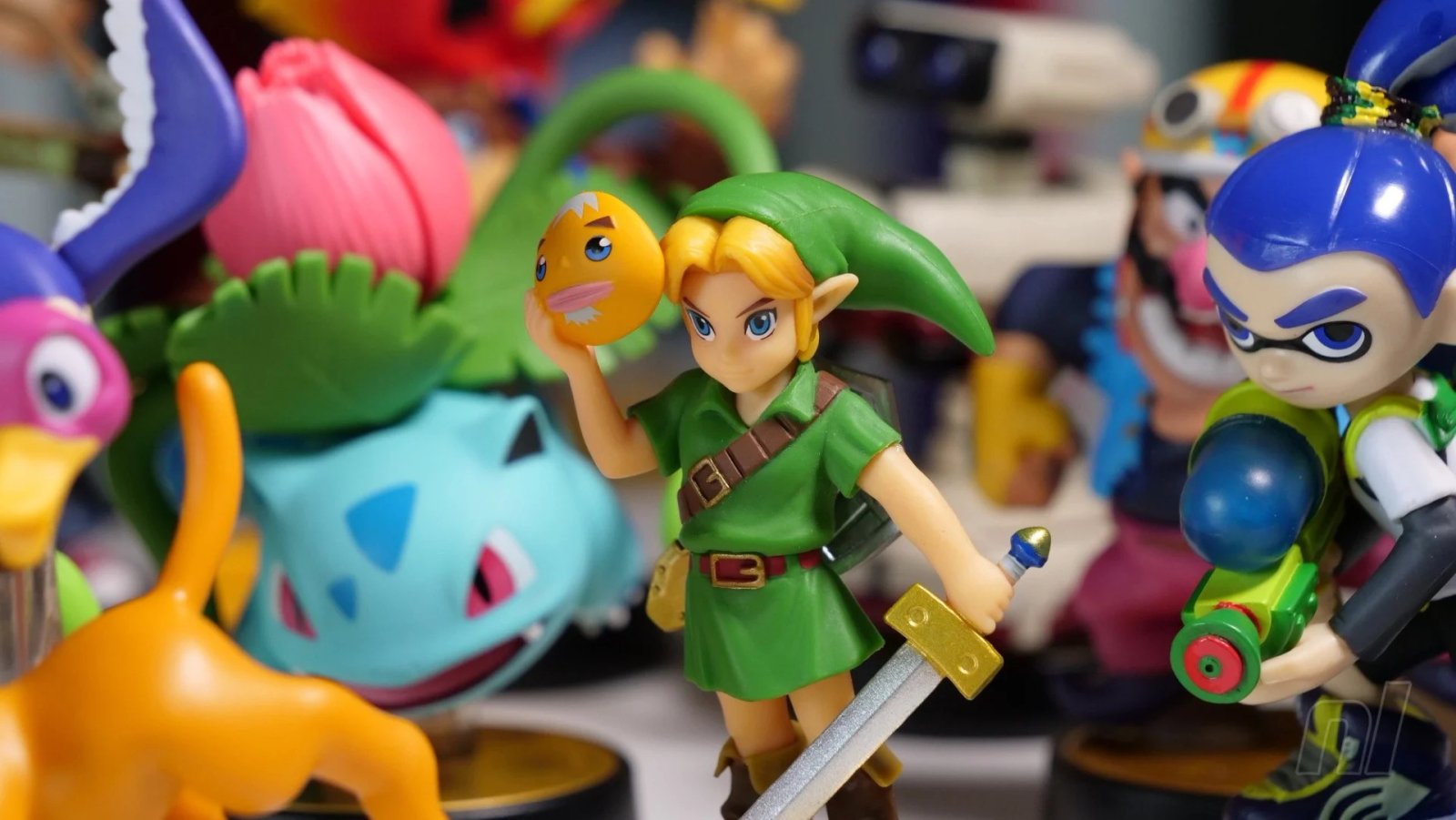
Amiibo serve a dual purpose within the Nintendo ecosystem: they function as decorative physical items and as functional hardware tools. Each figurine contains an NFC chip that communicates with a console’s integrated reader—usually located within the right Joy-Con controller or the Pro Controller. When the player taps the base of the amiibo to the contact point, the console recognizes the unique identifier associated with that specific character.
From a technical perspective, the data exchange is bidirectional. While the figure provides data to the game—such as unlocking a specific dungeon, a powerful sword, or a character-specific costume—some games allow the amiibo to store data. In titles like Super Smash Bros., the figure can learn from the player’s behavior, saving its own AI profile and combat statistics. This capability turns a static piece of plastic into a portable storage device for personal gaming progress, bridging the gap between hardware ownership and persistent digital identity.
Analyzing the Leak and Market Implications
The internal GameStop database entries indicate a pricing structure ranging from $25 to $60. This broad range is a significant departure from standard single-figure pricing, hinting at the release of multi-figure sets, “deluxe” premium figurines, or possibly large-scale statues. The inclusion of specific character names such as “Mineru Construct” and “Young Link” confirms that the next wave of releases will likely be tied to the current and future library of the Switch 2.
The extended release window, spanning into 2027, highlights a long-term production cycle. This suggests that Nintendo is planning to maintain a steady cadence of physical releases to support the longevity of its software titles. For retailers, these inventory placeholders are vital for supply chain management, allowing for precise logistics and pre-order infrastructure before the official public reveal. The scale of this list, encompassing two dozen unique items, confirms that the NFC-enabled peripheral market is not merely a legacy feature but a strategic component of the current hardware roadmap.
Software Integration and Future Use-Cases
The synergy between software and physical accessories is critical to how Nintendo differentiates its hardware experience. By tying figures to high-profile franchises like The Legend of Zelda and the Kirby series, the company ensures high attach rates for these products. As Nintendo introduces new hardware, the focus shifts to how these figurines interact with more advanced processing power. Increased computational capacity allows for more complex data integration, potentially moving beyond simple unlockable content toward dynamic, event-based challenges that refresh periodically.
The resurgence of older franchises in the current release cycle, such as the Ocarina of Time revival, demonstrates a dual strategy of appealing to long-term fans through commemorative hardware while providing entry-level collectibles for new demographics. These items serve as markers of player engagement, turning a standard game purchase into a collector’s endeavor. As developers integrate these figures into broader game loops, they create persistent demand for physical units that standard digital-only content cannot replicate.
Retail Strategy and Consumer Impact
The move to update internal retail systems ahead of major announcements is a standard procedure in the gaming industry, yet the sheer volume of this particular leak underscores a significant shift in inventory volume. For the consumer, the availability of these items at a range of price points allows for tiered participation in the ecosystem. Collectors seeking rare or high-fidelity models can opt for the higher-end items, while players interested purely in the in-game functionality may gravitate toward standard releases.
Retailers benefit from these figures by driving foot traffic and encouraging pre-order behavior, which remains a cornerstone of physical game sales. By placing these items in internal systems, GameStop and other major retailers can prepare for the logistics of distribution well in advance, ensuring that supply meets the sudden spike in demand that follows a Nintendo Direct announcement. The upcoming months will reveal whether these listed items represent a standard expansion of existing lines or a new technological iteration designed specifically to interface with the capabilities of the Switch 2.
As Nintendo prepares to unveil its vision for the next stage of its hardware life cycle, the role of these figures remains clear: to provide a tangible link between the player and the virtual environment. Whether these new releases focus on utility-heavy mechanics or aesthetic fidelity, their presence in the retail pipeline confirms that the company views NFC-based hardware as an essential pillar of the modern gaming experience.
Disclaimer: This content is auto-generated for informational purposes only.
Source: Read Original News