









While many global markets benefit from relatively affordable fuel, consumers in the United States often face prices hovering near the $5 per gallon mark. This economic reality makes the efficiency of a vehicle a primary concern for the average driver. However, the automotive landscape is also populated by machines that prioritize mechanical audacity, raw power, and extreme engineering over fuel conservation. While these vehicles are not without their specific use-cases—ranging from high-performance off-roading to historical preservation—they represent the absolute bottom of the fuel economy barrel.
The Modern Off-Road Behemoth: 2021 Ram 1500 TRX
The 2021 Ram 1500 TRX is a marvel of modern engineering, designed to tackle challenging terrain at high speeds. Equipped with a 702-horsepower supercharged V8, the TRX is capable of sprinting from 0 to 60 mph in a mere 3.7 seconds. Its off-road capability is bolstered by sophisticated Bilstein remote-reservoir dampers, an electronic-locking rear differential, and massive 35-inch all-terrain tires.
These performance specifications come at a significant cost to efficiency. The truck sits 8 inches wider than standard 1500 models, contributing to a substantial curb weight of 6,396 pounds. The combination of forced induction, heavy rotating mass, and poor aerodynamics results in an EPA-rated combined fuel economy of just 12 mpg. Independent testing has shown that under aggressive driving, this figure can drop into the single digits, making it one of the most fuel-intensive modern vehicles on the market.
The Supercar Paradox: 2003 Ferrari Enzo
The Ferrari Enzo represents the pinnacle of early 2000s automotive performance, utilizing a naturally aspirated 6.0-liter V12 engine. Despite its aerodynamic profile and lightweight construction, it remains remarkably inefficient. With an EPA-estimated combined rating of 8 mpg—composed of 7 mpg in the city and 12 mpg on the highway—the Enzo serves as a reminder that extreme internal combustion performance rarely coexists with fuel economy. Owners of this rare machine must view the high cost of refueling as a standard operational expense, rather than a point of concern.
A Viper Engine in a Truck: 2005 Dodge Ram SRT-10
The 2005 Dodge Ram SRT-10 is an example of what happens when engineers transplant a sports car engine into a utility vehicle. Utilizing the 8.3-liter V10 from the Dodge Viper, this truck produces 500 horsepower and 525 pound-feet of torque. Weighing over 5,100 pounds, the vehicle lacks the aerodynamic efficiency of the Viper, resulting in a combined fuel economy of 10 mpg. Despite this, the truck has maintained a strong enthusiast following, with market values for concours-quality examples currently exceeding $70,000, proving that owners often prioritize character and performance over the cost of fuel.
Land-Yacht Luxury: 1973 Lincoln Continental
The 1973 Lincoln Continental is a classic representation of American luxury during a period before the strict implementation of modern efficiency standards. Powered by a 460-cubic-inch Ford V8, the Continental was built for comfort rather than speed. The introduction of mandatory 5-mph bumpers in the early 1970s added considerable weight to the vehicle, pushing the curb weight to 5,200 pounds. Achieving only 10 mpg, this sedan highlights how heavy, non-aerodynamic luxury vehicles contributed to a era of high fuel consumption that eventually led to the industry-wide push for better efficiency.
Engineering Excess: 2008 Bugatti Veyron
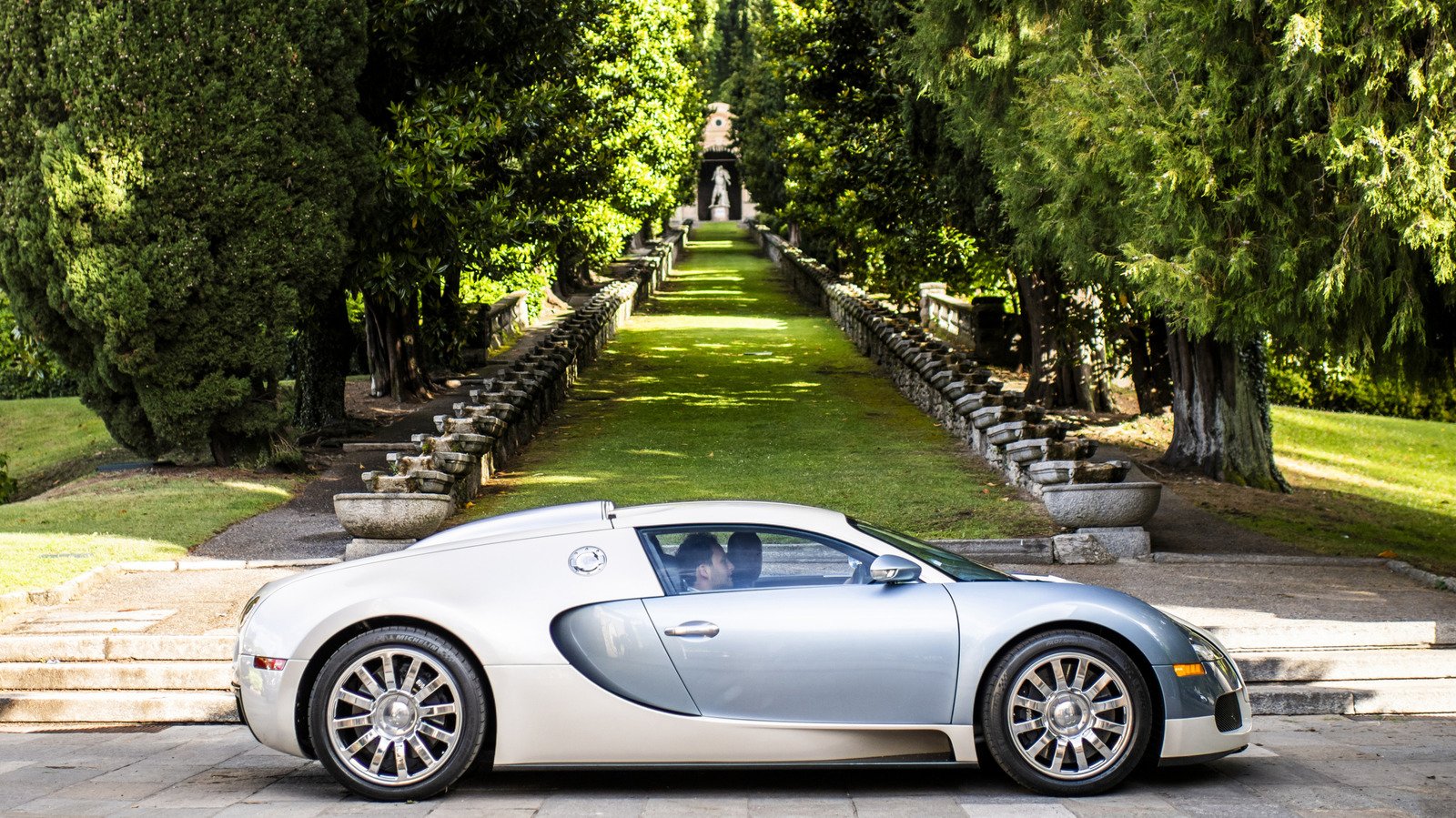
The Bugatti Veyron was designed with one goal: to be the fastest production car in the world. Its quad-turbocharged 8.0-liter W16 engine produces 1,001 horsepower, enabling speeds of up to 253 mph. This level of output requires an immense amount of fuel. The Veyron yields a combined rating of 10 mpg, but this figure is deceptive in real-world application. Under full load at maximum speed, the Veyron can drain its entire 26-gallon fuel tank in just 12 minutes, demonstrating that the laws of physics are unforgiving when it comes to converting chemical energy into record-breaking kinetic energy.
The Italian Classic: 1988 Lamborghini Countach 5000QV
The Lamborghini Countach 5000QV is the quintessential 1980s supercar, defined by its sharp design and 5.2-liter V12 engine. As the model evolved through the years, additional safety equipment and luxury components added 850 pounds to its weight compared to its predecessors. This increased mass resulted in a fuel economy of 6 mpg in city driving and 10 mpg on the highway. For collectors and enthusiasts, this inefficiency is simply a trade-off for the raw mechanical experience provided by the naturally aspirated V12 engine.
The Ultimate Thirst: 1986 Lamborghini LM002
Topping our list is the Lamborghini LM002, often referred to as the “Rambo Lambo.” This heavy-duty SUV weighs 6,780 pounds and utilizes a variation of the same V12 engine found in the Countach. Due to less stringent emission regulations for its vehicle class, the LM002 was tuned to produce 444 horsepower. The result is a vehicle that returns between 5 and 7 mpg. Its extreme weight, tank-like dimensions, and insatiable appetite for fuel make it the definitive record-holder for inefficiency. Despite these figures, its rarity has driven market prices above $400,000, confirming that for a specific segment of the automotive world, the fascination with excess far outweighs the practicalities of fuel consumption.
Disclaimer: This content is auto-generated for informational purposes only.
Source: Read Original News