







THE HAGUE — In a historic and landmark ruling, the International Court of Justice (ICJ) has officially found the state of Myanmar responsible for genocide against the Rohingya people, stemming from the military’s brutal “clearance operations” in northern Rakhine State in 2017.
The judgment, delivered on November 19, 2026, marks a definitive conclusion to years of legal proceedings initiated by Gambia, with the support of 11 intervening states. Presiding over the session, Judge Yuji Iwasawa delivered a stinging indictment of the military’s conduct, stating that the nature and scope of the violence were far beyond what could be classified as conventional counter-insurgency measures.
“The scale and nature of the military’s actions went well beyond what would be required to punish the population,” Judge Iwasawa stated. The court found that these actions were instead “characteristic of an intent to destroy a substantial part of the group,” meeting the strict legal threshold for genocide under international law.
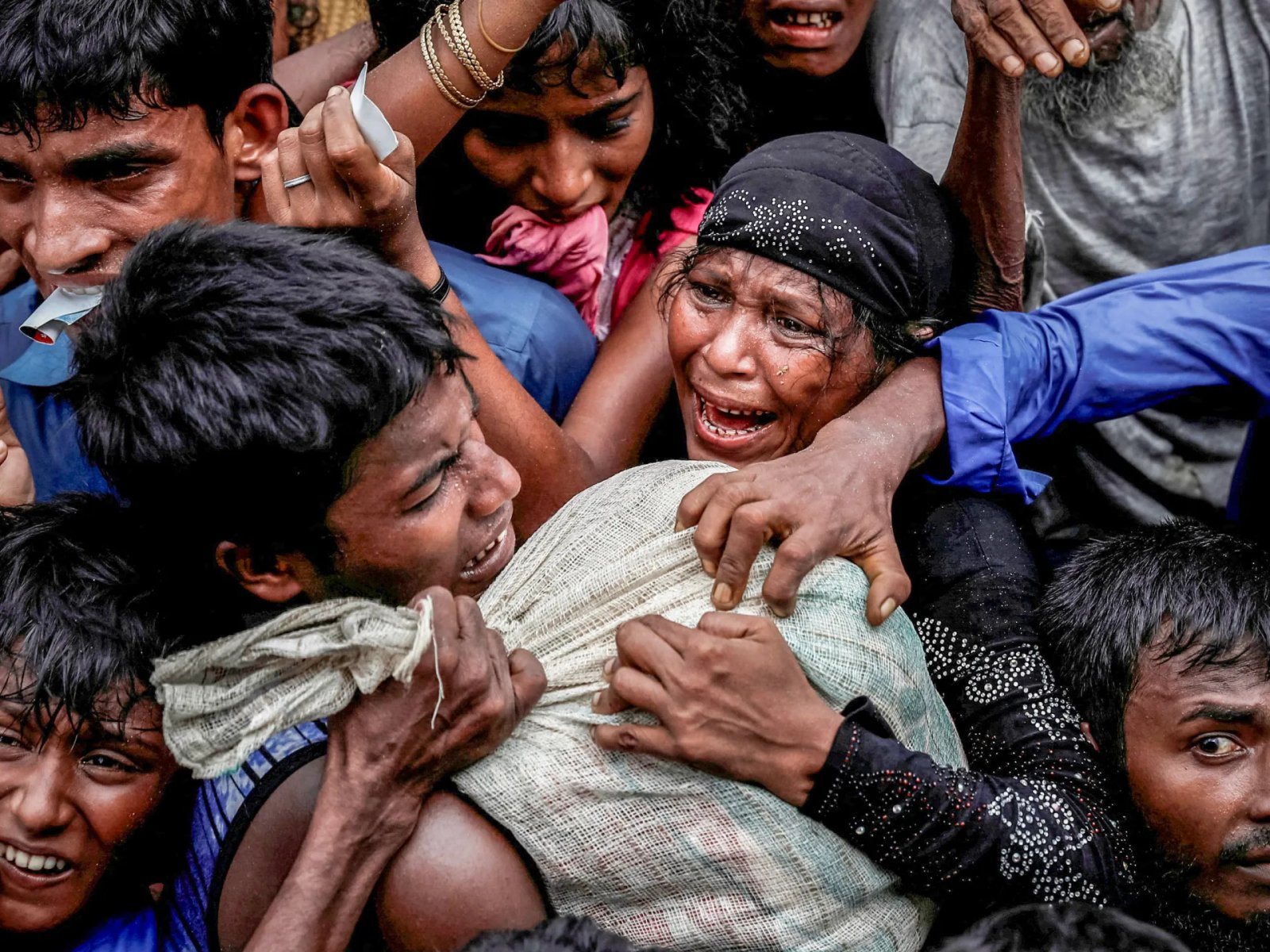
The court presented harrowing data to support its verdict, noting that approximately 815,000 Rohingya had been residing in northern Rakhine State prior to the 2017 campaign. The judges concluded that at least 10,000 members of the group were violently killed during the military-led crackdown, which forced hundreds of thousands more to flee across the border into Bangladesh.
Central to the court’s decision was the finding that Myanmar’s security forces acted with clear “genocidal intent.” Judge Iwasawa emphasized that the violence did not occur in a vacuum; it was preceded by a systematic atmosphere of anti-Rohingya hate speech. During this period, the Rohingya community was consistently dehumanized and portrayed in state-sanctioned rhetoric as “sub-human” and a “violent threat” to the nation’s security. By creating this environment, the court argued, the military paved the way for the atrocities that followed.
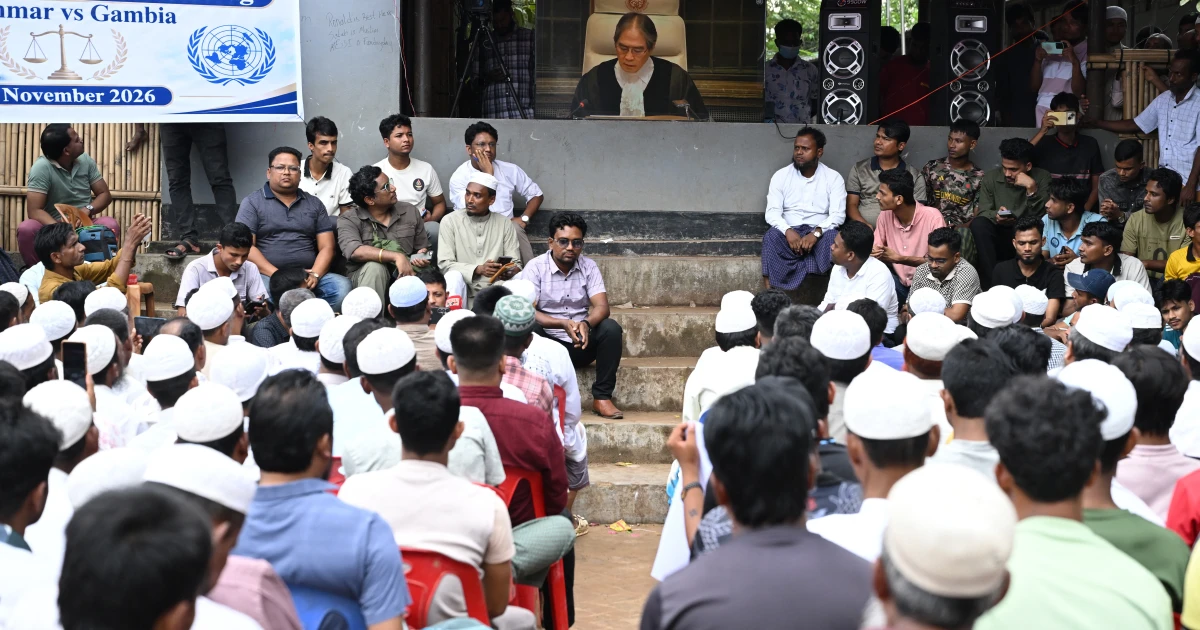
The ruling was met with profound gravity in international legal circles and is being watched closely by the international community. In refugee camps in Cox’s Bazar, Bangladesh, displaced Rohingya watched the proceedings on screens, a moment of somber validation for survivors who have long campaigned for global recognition of their suffering.
While the ICJ’s ruling is final and binding, the practical implications for enforcement remain a complex challenge for the international community. Nevertheless, the judgment provides a definitive historical and legal record of the crimes committed against the Rohingya.
Legal experts suggest that this ruling will serve as a foundational element for further accountability efforts. As the international community digests the court’s findings, the focus is expected to shift toward what potential reparations and further legal actions might be taken against those responsible for orchestrating the campaign.
This is a developing story that will be updated.
Disclaimer: This content is auto-generated for informational purposes only.
Source: Read Original News