








AUCKLAND — As the Indian cricket team prepares to lock horns with New Zealand in a highly anticipated five-match ODI series, captain Shubman Gill has signaled a shift in tactical philosophy. With the series opener scheduled for Wednesday at the historic Eden Park, the Men in Blue are looking to balance a stable top-order foundation with a highly fluid, situational approach to their middle-order engine room.
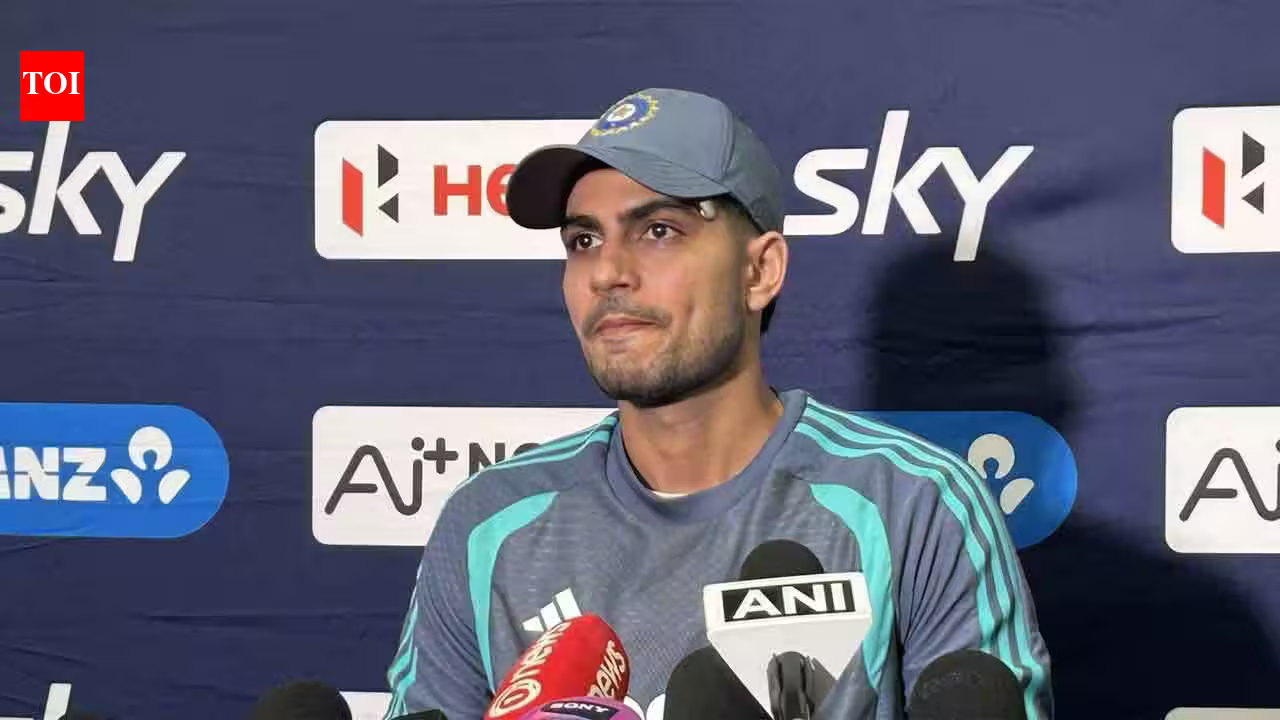
While the top four spots in the batting lineup appear locked, the roles of No. 5 and No. 6 have become the focal point of India’s strategic planning. Speaking to the media ahead of the curtain-raiser, Gill emphasized that rigidity will have no place in the middle phase of the innings.
A Fluid Approach to the Middle Order
In modern white-ball cricket, the ability to counter-attack or stabilize based on the match state is paramount. Gill revealed that India plans to utilize a “floating” batting order to navigate the complexities of the middle overs. By utilizing the specific skill sets of Axar Patel and KL Rahul, the team hopes to disrupt opposition bowling plans and maintain a healthy run rate regardless of the surface conditions.
“We will have a floating approach for No. 5 and No. 6,” Gill stated. “Our top four is set, and it consists entirely of right-handers. So, if a left-hander is needed to break up the rhythm or counter a specific bowling matchup, Axar bhai will be promoted. Depending on the match situation, KL bhai can also step in. We are looking for maximum flexibility.”
This strategy highlights a sophisticated understanding of contemporary ODI cricket, where the traditional “anchor” role is increasingly giving way to situational specialists. By keeping the batting order malleable, India aims to neutralize the threat of New Zealand’s spin and pace variations before the final death-over flourish.
Gill Addresses Health Concerns
Beyond tactical adjustments, the pre-match press conference was dominated by questions regarding the captain’s own fitness. Gill, who has been a central pillar of India’s batting lineup, recently endured a harrowing ordeal involving a cervical disc bulge and persistent neck spasms.
The injury, which occurred during the Kolkata Test against South Africa in late 2025, sidelined the young star for nearly a month. The nature of the injury—affecting nerves and causing significant discomfort—sparked fears about his long-term availability for international duties. Following a brief hospitalization and a period of intensive rehabilitation, the cricket fraternity has been eager to confirm his status.
However, Gill offered a reassuring update, effectively silencing concerns about his physical readiness. “There is no issue,” he confirmed, putting to rest rumors that the injury might recur during the physically demanding tour of New Zealand. “I batted for close to an hour and a half during practice and completed my fielding duties without any trouble at all. I am feeling completely back to normal.”
With his fitness confirmed, Gill’s leadership will be tested on the road. Navigating the unique dimensions and wind patterns of New Zealand stadiums, particularly at a tricky venue like Eden Park, will require not only sound technical skills but also sharp tactical acumen.
The Road Ahead: The New Zealand ODI Series
The five-match series offers a stern test for the Indian side. The tour spans several iconic New Zealand venues, presenting diverse challenges as the series progresses. Following the Auckland opener, the teams will head to Wellington for the second ODI, followed by a trip to Hamilton for the third. The series concludes with a double-header in Mount Maunganui on November 13 and 15.
Series Schedule at a Glance:
- 1st ODI: November 4 (Wednesday) – Auckland
- 2nd ODI: November 7 (Saturday) – Wellington
- 3rd ODI: November 10 (Tuesday) – Hamilton
- 4th ODI: November 13 (Friday) – Mount Maunganui
- 5th ODI: November 15 (Sunday) – Mount Maunganui
All matches are scheduled to commence at 7:30 AM IST, setting up an early start for Indian fans eager to watch their team navigate the challenging conditions of the Southern Hemisphere.
For India, this series is more than just a contest for supremacy; it is an experimental ground for finding the right balance in the middle order. With a leader who is both physically revitalized and strategically bold, the stage is set for a gripping encounter between two of the world’s premier cricketing nations. Whether the “floating” batting strategy pays off remains to be seen, but one thing is certain: under Gill’s captaincy, India is not content with the status quo. They are looking to adapt, evolve, and ultimately dominate the Kiwi summer.
Disclaimer: This content is auto-generated for informational purposes only.
Source: Read Original News