








India Accelerates EV Adoption: Extended Two-Wheeler Incentives & New Financing for Heavy Vehicles
In a significant push to electrify its transport sector, the Indian government has announced a multifaceted strategy, extending incentives for electric two-wheelers under the PM E-DRIVE scheme until March 31, 2028, while simultaneously developing a crucial financing support mechanism for electric buses and trucks.
This comprehensive approach aims to reduce borrowing costs for heavier electric vehicles (EVs) and provide a longer runway of subsidies for electric two-wheelers, ultimately accelerating EV adoption across diverse vehicle segments.
Bridging the Financing Gap for Electric Trucks
A key focus of the new initiative is addressing the prohibitive financing costs for electric trucks. According to an official from the Ministry of Heavy Industries (MHI), the government is actively engaging with banks and vehicle manufacturers to establish an interest-subvention mechanism and credit guarantee for electric trucks. This is designed to bridge the substantial 3-4 percentage-point gap in financing costs that currently exists between electric and diesel trucks.
Lenders have historically priced loans for electric trucks higher due to uncertainties surrounding battery life and potential resale values. However, electrifying this segment is deemed critical, particularly as MHI estimates that while heavy trucks constitute only about 3% of all vehicles, they are responsible for a staggering 42% of vehicular pollution and consume approximately 60% of the nation’s diesel. Reducing these financial barriers is seen as a vital step towards achieving cleaner air and greater energy independence.
Extended Incentives for Electric Two-Wheelers
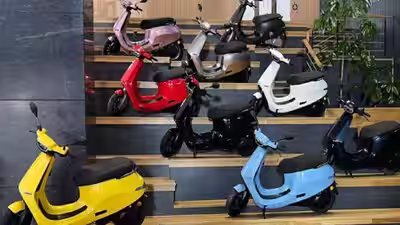
Concurrently, the broader PM E-DRIVE scheme has received a crucial extension, now running until March 31, 2028. This provides a longer and more stable subsidy environment for electric two-wheelers, which are a cornerstone of personal mobility in India.
Under the revised scheme, registered electric two-wheelers will continue to receive an incentive of Rs 2,500 per kilowatt-hour (kWh). This subsidy is capped at Rs 5,000 per vehicle and will also be limited to 15% of the vehicle’s ex-factory price, whichever amount is lower. This ensures that the incentives are targeted and effective.
The government has set an ambitious target of supporting up to 45.8 lakh (4.58 million) electric two-wheelers, with a substantial Rs 2,767 crore earmarked for this specific segment. To qualify for these incentives, electric two-wheelers must have an ex-factory price of up to Rs 1.5 lakh.
Overarching Vision of PM E-DRIVE
The PM E-DRIVE scheme as a whole represents a significant commitment to India’s electric mobility future. With an overall outlay of Rs 11,900 crore, the scheme’s mandate extends beyond just direct EV purchases.
It encompasses support for crucial charging infrastructure development, which is essential for alleviating range anxiety and promoting widespread EV adoption. Furthermore, a substantial portion of the scheme’s focus is on bolstering the domestic EV manufacturing ecosystem, fostering local production, innovation, and job creation within the country.
These strategic interventions underscore the government’s resolve to transition towards a sustainable and electric transportation future, tackling both personal mobility and the heavy-duty commercial vehicle segments with targeted financial and infrastructural support.
Disclaimer: This article is based on information provided and is intended for informational purposes only. Specific scheme details and eligibility criteria may be subject to change. Readers are advised to consult official government notifications for the latest information.