









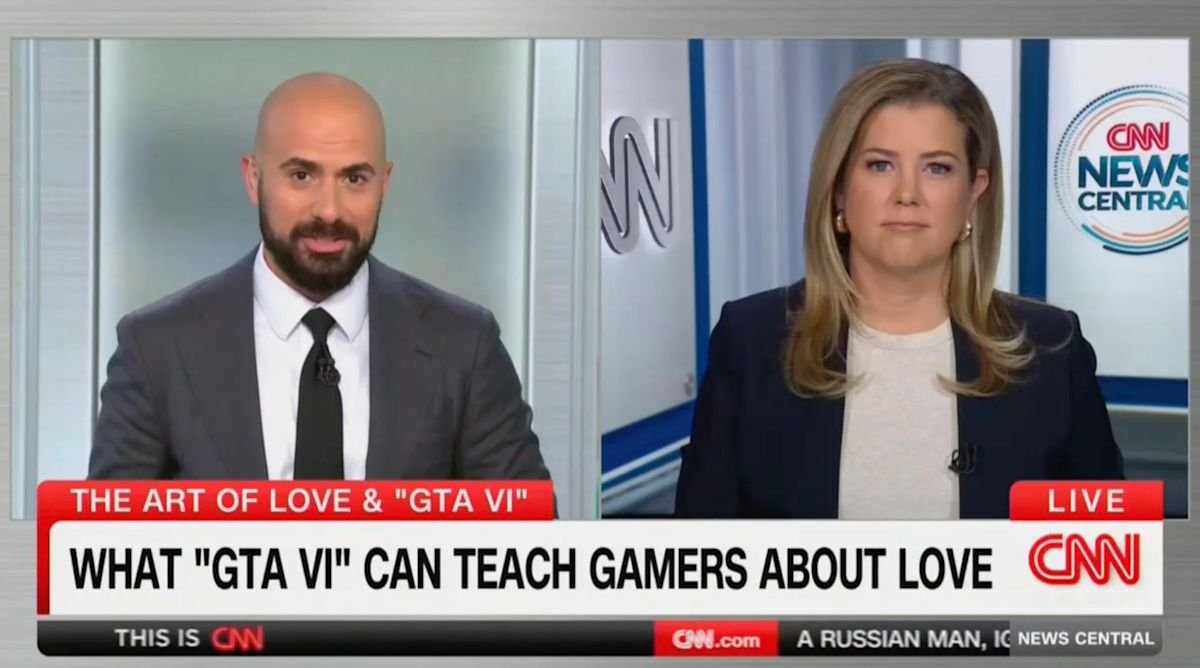
The Technical Architecture of Grand Theft Auto VI
The arrival of Grand Theft Auto VI marks a significant evolution in open-world game design and interactive media. Developed by Rockstar Games, this title leverages proprietary technology to simulate a vast, dense, and reactive urban environment. From a technical perspective, the game utilizes an upgraded version of the Rockstar Advanced Game Engine (RAGE), which facilitates advanced physics, real-time lighting, and highly complex artificial intelligence for non-player characters.
The scale of the game is characterized by its technical ambition, featuring high-fidelity assets that create a seamless world for the player. Unlike previous iterations, this release prioritizes depth in character animation and environmental reactivity. The core mechanics are built around the interaction between the two protagonists, Jason and Lucia. This focus on dual-character dynamics is not just a narrative choice but a technical one, requiring the engine to manage complex dialogue trees, shared inventories, and cooperative pathfinding across the game’s sprawling map. The result is an experience where the player’s agency is heavily influenced by the interplay between these two central figures.
The Narrative Focus on Relational Dynamics
One of the most notable departures in this installment is the shift toward a central relationship as the driving force of the plot. By grounding the narrative in the bond between the two main characters, the developers have moved beyond the traditional solo protagonist model. This transition has sparked discourse regarding whether such complex digital narratives can offer insights into human behavior.
In technical terms, the dialogue systems and cutscene integration are designed to mimic real-time social interactions. By utilizing sophisticated motion capture and facial recognition technology, the developers have managed to create nuanced performances that reflect the tension, loyalty, and conflict inherent in the characters’ relationship. While these elements are primarily intended to drive engagement and immersion, the depth of these scripted interactions has led some to question the boundaries between virtual storytelling and genuine psychological modeling.
Evaluating the Impact of Virtual Simulations
As the game reaches a global audience, researchers and media analysts are debating the impact of such high-fidelity simulations on younger demographics. Psychologists often examine how interactive media influences social cognitive development. In the context of Grand Theft Auto VI, the conversation revolves around whether the simulated social complexities found within the game can serve as a proxy for real-world relationship building.
However, the consensus among professionals, such as Dr. Alduan Tartt, remains grounded in the lack of empirical evidence supporting the idea that video games function as effective learning tools for social skills. The disparity between controlled virtual scenarios and the fluid nature of human interaction is significant. While games provide a framework for practicing decision-making in a digital setting, they lack the unpredictable variables and accountability found in actual interpersonal relationships. Consequently, the technical ability to simulate emotion does not equate to the educational utility of teaching social intelligence.
Societal Concerns and Content Governance
The release of this title has also reignited long-standing debates regarding the role of content moderation and the responsibility of developers in the interactive entertainment industry. Critics have pointed to the game’s depiction of violence and mature themes as a potential risk factor for younger players. This perspective emphasizes the necessity of robust parental controls and industry-standard rating systems, such as the Entertainment Software Rating Board (ESRB).
From a technical standpoint, the game is designed with a high level of mature content, intended specifically for an adult audience. The controversy surrounding its release highlights the tension between the artistic freedom afforded by modern technology and the public concern regarding its accessibility. Industry observers note that despite these warnings, the platform’s technical constraints—including digital age verification and account management tools—are the primary mechanisms currently used to mitigate the risk of inappropriate access.
Technological Capabilities vs. Cultural Reception
The success of Grand Theft Auto VI demonstrates the immense power of modern hardware in creating immersive digital worlds. Its technical achievements are undeniable, offering a level of detail that surpasses previous generations of gaming hardware. Yet, this success exists within a volatile cultural context. The divergence in media coverage—ranging from discussions of character development to warnings about societal impact—underscores the dual nature of modern video games: they are simultaneously seen as sophisticated pieces of software and influential cultural artifacts.
As developers continue to push the boundaries of what is possible within an engine, the sophistication of these worlds will only increase. This advancement forces a broader conversation about how these digital environments are consumed and understood. Whether the medium is viewed as a narrative tool, an escape, or a social experiment, its influence is increasingly a subject of scrutiny.
Future Implications for Interactive Media
As the gaming industry moves toward more complex artificial intelligence and hyper-realistic rendering, the capacity for games to blur the lines between reality and simulation will continue to expand. The legacy of Grand Theft Auto VI will likely be defined by how it navigates this intersection. By centering its mechanics on a human relationship, it challenges players to engage with narrative depth in a way that previous action-oriented titles did not.
Ultimately, the impact of such technology depends on the framework within which it is utilized. While the game provides a platform for storytelling, the responsibility for interpreting its themes remains with the end user. As the lines between virtual and physical interaction continue to thin, the technical and social implications of these simulations will remain a critical focal point for both developers and the public alike. By prioritizing technical innovation, Rockstar Games has ensured that this title will remain at the forefront of digital culture for years to come.
Disclaimer: This content is auto-generated for informational purposes only.
Source: Read Original News