









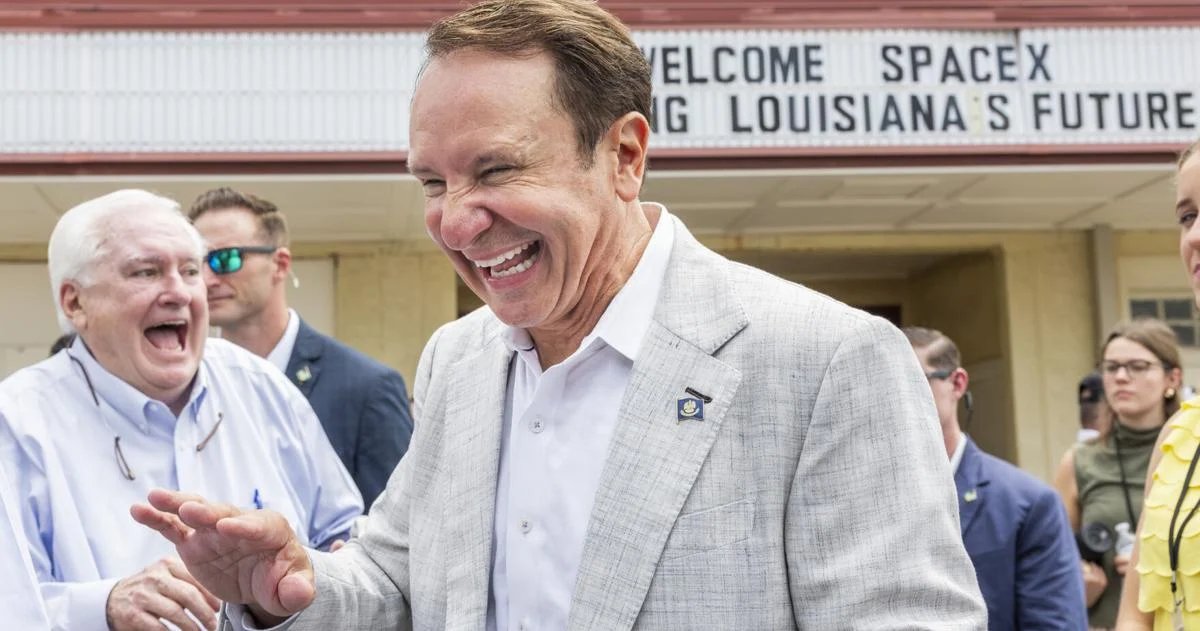
The arrival of Elon Musk’s SpaceX in Louisiana represents a seismic shift for the state’s industrial landscape, culminating in a $100 billion project that is as controversial as it is transformative. The deal, which finalized in late August 2026, centers on a massive spaceport facility in Vermilion Parish, turning thousands of acres of coastal marshland into a hub for aerospace innovation.
A High-Stakes Development Cloaked in Secrecy
The path to the SpaceX announcement was paved through a seven-month sprint of intense, behind-the-scenes negotiations. The Landry administration operated with high levels of confidentiality, utilizing nondisclosure agreements for over 30 public officials to prevent leaks. The secrecy extended to the Vermilion Parish Industrial Development Board, which, in only its second meeting, approved the largest property tax incentive in Louisiana history. This $24 billion tax break was a linchpin of the agreement, which also included a $3.6 billion sales tax rebate and new state laws designed to shield aerospace firms from public record mandates and local regulatory overreach.
The complexity of the deal was compounded by its role in settling long-standing environmental litigation. For years, the state had been locked in a legal battle with ExxonMobil over coastal erosion. The administration leveraged the SpaceX requirement for 120,000 acres of land—the entirety of an Exxon-owned parcel—to force a settlement. In the end, the oil giant donated the land to the state, which then sold it to SpaceX for $100 million, effectively neutralizing a massive legal headache while securing a marquee project.
Tech Giants and the New Economic Frontier
While SpaceX is the latest giant to plant its flag in the region, the strategy behind the deal mirrors other massive tech-industrial projects in the South, such as the major data center incentives recently granted to Meta. The state is actively courting high-tech firms that demand specific regulatory environments, tax protection, and massive physical footprints. Governor Jeff Landry has positioned himself as the central architect of this strategy, prioritizing long-term economic gains over immediate public scrutiny. He has openly acknowledged that the unconventional, closed-door nature of the negotiations was a necessary sacrifice to ensure the project did not slip away to other states.
However, the tech-industry-led transformation raises questions about transparency. Critics and local residents argue that the speed at which the legislative package passed—combined with the use of, at times, secretive local board meetings—denied the public a seat at the table. While the administration points to the thousands of potential jobs and the promise of environmental mitigation funds from the Exxon settlement, local communities remain skeptical about how a spaceport will alter the character of the Louisiana coast.
The Future of the Coast
As the project moves into its operational phase, the tension between economic progress and environmental preservation persists. The site, while ideal for its proximity to shipping channels and natural gas, remains susceptible to the very environmental pressures the state is fighting to mitigate. For officials, the trade-off is clear: by facilitating a transition from industrial oil legacy to a future-focused aerospace hub, they hope to secure a more resilient economy for future generations. For many residents living in the shadows of the planned launch pads, the uncertainty of how the project will impact their daily lives remains an ongoing concern. The battle for the Louisiana coast is no longer just about protecting the land from the sea; it is about managing the radical industrial changes that are now being written into the landscape.
Disclaimer: This content is auto-generated for informational purposes only.
Source: Read Original News