





The Resurgence of the Greenback and Global Monetary Dynamics
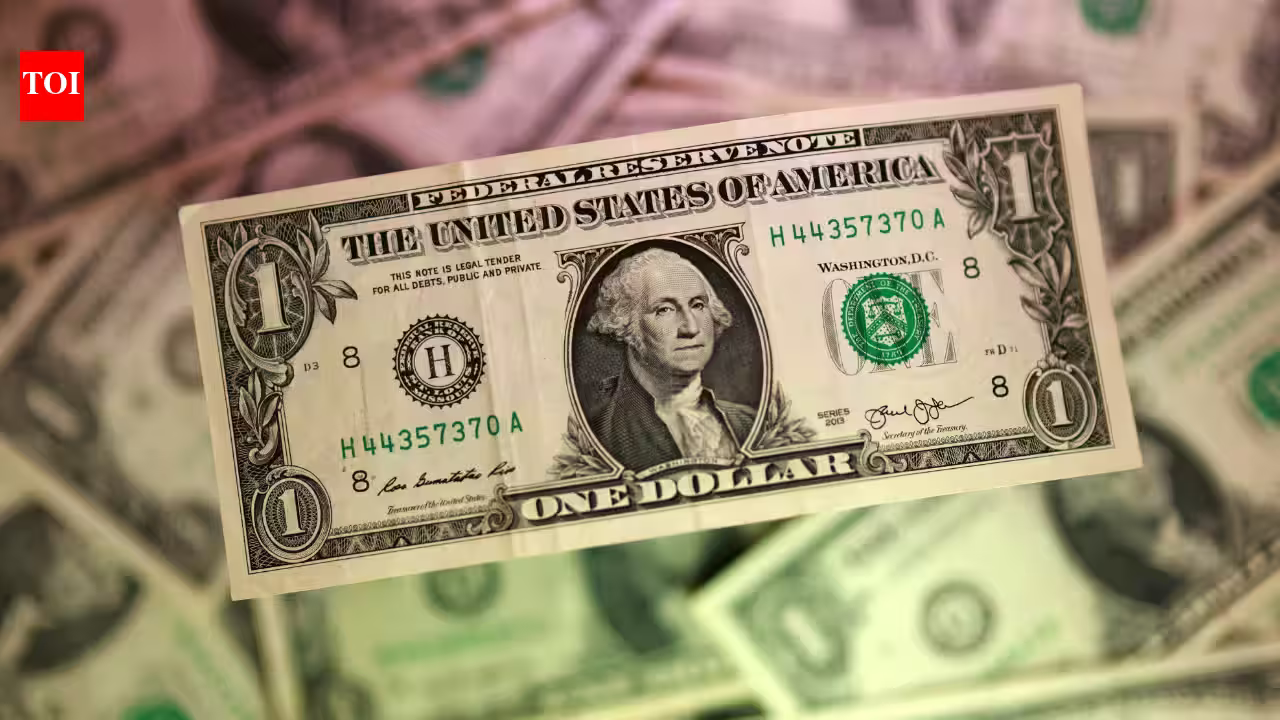
The global financial landscape is currently defined by a notable strengthening of the United States dollar, which is tracking toward its most significant weekly appreciation in two months. This upward trajectory, hovering near a 19-month peak, is not a byproduct of random market fluctuation but rather a direct response to shifting expectations regarding Federal Reserve monetary policy. As inflation data in the US continues to surpass analyst projections, the narrative of “higher for longer” interest rates has gained renewed momentum, prompting institutional investors to recalibrate their portfolios in favor of dollar-denominated assets.
The catalyst for this shift is rooted in the interplay between macroeconomic indicators and the communication strategy employed by the Federal Reserve. A robust domestic jobs market, coupled with a stubborn Consumer Price Index (CPI), has signaled to the markets that the American economy possesses enough resilience to withstand further tightening. Consequently, market participants are pricing in a high probability of a 25-basis-point rate hike in the upcoming month. This hawkish consensus is further bolstered by public statements from key Fed officials, including New York Fed President John Williams and Governor Christopher Waller, whose rhetoric has effectively dismantled any lingering hopes for an imminent pivot to monetary easing. As US Treasury yields climb, particularly in the two-year segment, the dollar has solidified its position as the primary beneficiary of a yield-sensitive global market.
Implications for Global Currency Markets and the Yen
While the US dollar enjoys a period of strength, other major currencies are grappling with the fallout of a widening interest rate differential. The yen, in particular, remains under significant pressure, trading near the 160-per-dollar threshold. This level is widely regarded by currency analysts as a critical point that invites potential intervention from Japanese monetary authorities. The persistent weakness of the yen is a reflection of the Bank of Japan’s continued adherence to a more accommodative stance, which stands in stark contrast to the aggressive posture of the Federal Reserve.
The Japanese Finance Ministry has begun to signal its discomfort with the current rate of volatility, warning that authorities are prepared to respond appropriately to preserve stability. However, historical precedent suggests that intervention provides only a temporary reprieve unless supported by fundamental shifts in monetary policy. Elsewhere, the euro has touched its lowest levels since April 2025, marking four consecutive weeks of losses. The disparity between the American economy’s performance and the sluggish growth metrics coming out of the Eurozone has exacerbated this decline. The Australian dollar has also faced intense scrutiny, as it remains the outlier among G10 currencies with market expectations leaning toward potential rate cuts rather than hikes, further diminishing its appeal relative to the greenback.
The Indian Perspective: Managing Macroeconomic Headwinds
For India, the strengthening of the US dollar presents a complex set of challenges and tactical considerations for both policymakers and corporate leaders. The Indian rupee, like most emerging market currencies, operates under pressure when the dollar index consistently hits multi-month highs. A rising dollar increases the cost of imported goods, particularly crude oil, which remains the primary driver of India’s import bill. This inflationary pressure complicates the Reserve Bank of India’s (RBI) task of managing domestic interest rates. If the RBI maintains a neutral stance while the Fed continues to tighten, the resulting interest rate differential could trigger capital outflows, as foreign institutional investors might seek higher yields in US Treasury markets.
Furthermore, Indian corporates that maintain substantial foreign currency-denominated debt face the risk of higher servicing costs. As the rupee faces downward pressure, the expense required to meet interest obligations in dollars increases, potentially impacting the bottom lines of capital-intensive industries. However, there is a countervailing benefit for the Indian export sector, particularly in IT services and manufacturing. A weaker rupee effectively enhances the competitiveness of Indian exports in global markets. The challenge for the Indian economy, therefore, lies in navigating the volatility inherent in such a strong dollar environment while maintaining the momentum of domestic capital formation.
Capital Market Correlations and Digital Asset Volatility
The impact of a resurgent dollar is not confined to fiat currency markets alone; it has also rippled through the landscape of alternative assets, including cryptocurrencies. Bitcoin and Ethereum have both recorded notable declines as liquidity conditions tighten. There is a strong inverse correlation between the strength of the dollar and the performance of speculative digital assets. When the opportunity cost of holding cash increases—driven by rising Treasury yields—risk appetite typically wanes across the board. The recent withdrawal from digital assets suggests that investors are prioritizing the safety and interest-earning potential of the dollar over the growth prospects of cryptocurrencies.
This volatility serves as a reminder that the global financial system remains highly sensitive to the cost of capital in the United States. As long as US inflation remains sticky, the dollar is likely to maintain its dominance. For market participants, the current environment necessitates a cautious approach to asset allocation. The transition from a low-interest-rate environment to one where the cost of borrowing is rising significantly forces a reassessment of valuation models. Growth-oriented companies and risk-sensitive assets that thrived in a period of cheap liquidity are now finding it harder to sustain their valuations, leading to a broader correction in global equity and credit markets.
Analytical Outlook: The Path Ahead
As the market looks toward the final quarter of the year, the primary variable remains the evolution of US inflationary trends. If the upcoming economic data confirms that inflation is failing to moderate toward the Fed’s target, the dollar could find further support, pushing it into territory that complicates global trade and debt repayment cycles. For emerging economies, the strategy must shift toward building fiscal buffers and ensuring that foreign exchange reserves are managed with maximum transparency to prevent speculative attacks.
In the Indian context, the resilience of the domestic growth narrative acts as a shield against global volatility. Provided that the RBI remains vigilant and responsive to global liquidity trends, the impact of a strong dollar can be managed. The long-term trajectory will depend on the ability of central banks worldwide to find a balance between suppressing inflation and avoiding a sharp economic contraction. The current strength of the dollar is a signal that the era of easy money is firmly in the rearview mirror, and market participants must now navigate a period defined by higher yields, renewed scrutiny of fiscal health, and the prioritization of economic stability over speculative expansion. Whether this trend continues will ultimately be determined by the ability of the United States to balance its fiscal policy with the demands of an interconnected and increasingly cautious global market.
Disclaimer: This content is auto-generated for informational purposes only.
Source: Read Original News


