






WASHINGTON – The U.S. Treasury Department significantly escalated its “Operation Economic Outcast” on Tuesday, imposing sweeping sanctions on 27 Iranian airlines in a bid to further isolate Tehran’s economy. The move represents a total effort by the Trump administration to sever Iran’s remaining links to the global aviation sector and restrict the regime’s capacity to facilitate regional military movements.
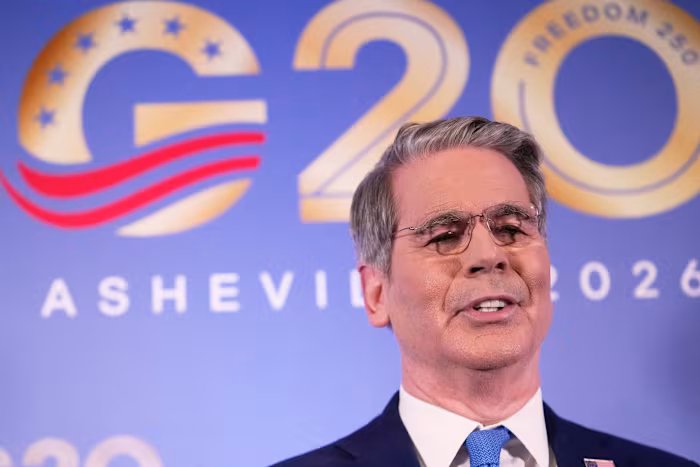
Treasury Secretary Scott Bessent issued a stern warning to international entities following the announcement, stating, “Let this be a warning to anyone doing business with Iran’s remaining airlines, all of which we sanctioned today: You are at risk of being cut off from the global financial system.”
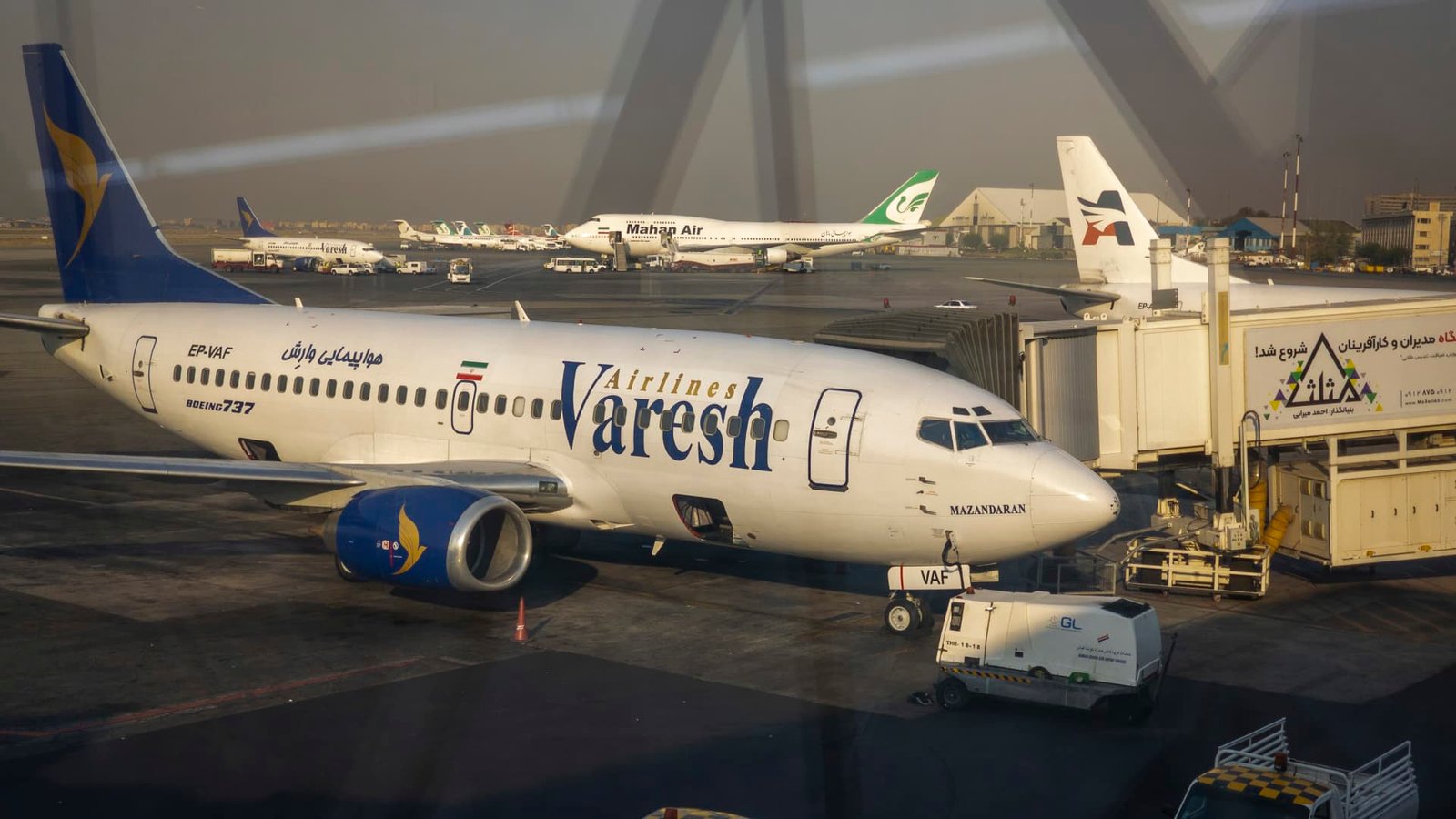
The latest round of sanctions effectively closes the skies for the Iranian aviation industry by terminating all existing aviation-related licenses that previously allowed U.S. or international firms to engage with Iranian carriers. A Treasury official, speaking on condition of anonymity, described the action as a direct strike against firms like Mahan Air, which the U.S. alleges has provided logistical support for Iranian-backed terrorist activities for years.
The intensification of economic pressure comes as the war between the U.S. and Iran, now in its seventh month, continues to wreak havoc on global energy markets. The Strait of Hormuz—the world’s most critical maritime chokepoint for oil—remains a flashpoint. As Tehran continues to restrict ship traffic through the waterway, global energy prices have reacted sharply. Brent crude futures surged past $99 per barrel on Tuesday, while West Texas Intermediate futures rose nearly 2% during session highs.
The conflict expanded further on Tuesday when Iran-backed Houthi militants in Yemen launched attacks on Saudi Arabian energy infrastructure, forcing a temporary cessation of some operations. The dual impact of regional instability and the aggressive sanctions campaign has left the global economy on edge.
While the Trump administration has framed these measures as a definitive “Economic D-Day” for Tehran, questions remain regarding the efficacy of the strategy. Despite documented economic distress in Iran—including rampant inflation and declining oil exports—some analysts suggest the administration has yet to move beyond broad threats toward tangible results. Notably, the U.S. has yet to apply significant pressure on China, Iran’s primary trade partner and largest buyer of its oil. President Trump and Chinese leader Xi Jinping are scheduled to meet in Washington later this month, a summit that is expected to be a critical test of the administration’s willingness to enforce its sanctions on Beijing.
When pressed for evidence that the pressure campaign is succeeding, the Treasury official cited anecdotal information that could not be disclosed to the public but offered no concrete metrics to verify the impact. For now, the administration remains committed to its strategy of total economic isolation, hoping that the cumulative weight of these measures will eventually force a change in Tehran’s behavior.
Disclaimer: This content is auto-generated for informational purposes only.
Source: Read Original News