







The Strategic Significance of Executive Compensation in Indian Banking
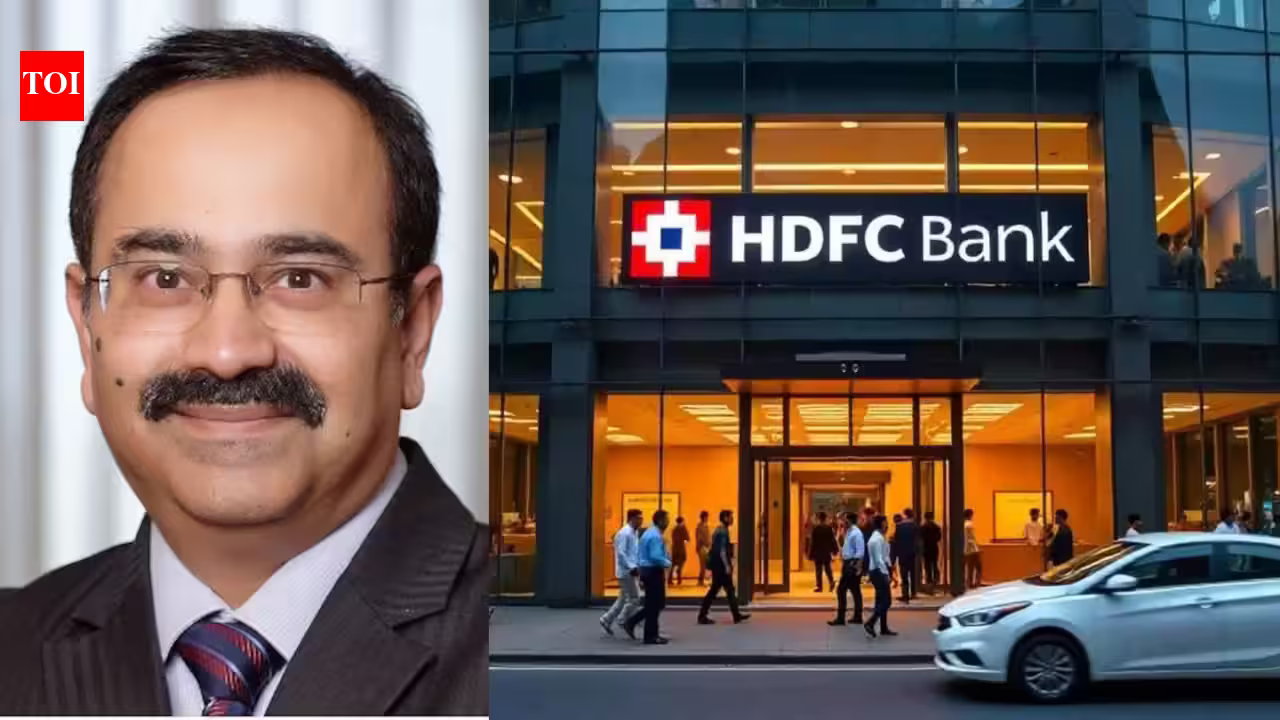
The financial services landscape in India is undergoing a structural evolution, characterized by the professionalization of leadership and the adoption of global best practices in executive remuneration. The recent announcement regarding Anup Bagchi’s appointment as the Managing Director and CEO of HDFC Bank, with a target annual compensation package of Rs 35.9 crore, serves as a pivotal case study in how large-scale financial institutions balance performance incentives, shareholder value, and the competitive demand for top-tier leadership talent.
In the Indian context, the compensation structure for banking executives is strictly monitored by the Reserve Bank of India (RBI) to ensure that pay packages are aligned with prudent risk management and long-term institutional stability. Bagchi’s remuneration, which includes a substantial variable component, reflects the increasing shift toward performance-linked rewards. By capping variable pay at 300 percent of the fixed salary, HDFC Bank demonstrates a strategic commitment to incentivizing outcomes that extend beyond short-term balance sheet growth, focusing instead on sustainable returns for stakeholders. This approach is consistent with the broader regulatory expectation that executive pay should discourage excessive risk-taking, a lesson underscored by global financial crises and the need for institutional resilience.
Deconstructing the Remuneration Structure
The complexity of the proposed compensation package for the incoming CEO reveals the intricate architecture of modern corporate rewards. Bagchi’s fixed pay component, set at Rs 9 crore, serves as the stable foundation of the contract, incorporating basic salary, statutory retirals, and allowances. However, it is the performance-linked variable component—totalling Rs 26.9 crore—that constitutes the bulk of the financial incentive. This segment is divided between cash bonuses and equity-based instruments, specifically 7,11,801 stock options.
The inclusion of equity as a primary component of variable pay is a deliberate mechanism to align the personal wealth of the CEO with the performance of the bank’s stock on the bourses. When a significant portion of an executive’s potential income is tied to stock options vesting over a four-year period, it forces a long-term strategic horizon. The leadership is incentivized not merely to hit annual profitability targets, but to ensure that the bank remains competitive, innovative, and sound over multiple fiscal cycles. This structure minimizes the agency problem, where management interests might otherwise diverge from those of the shareholders. Furthermore, the one-time joining grant of Rs 7.3 crore in RSUs and ESOPs signals the board’s confidence in the transition and recognizes the opportunity cost of moving from his prior role at ICICI Prudential Life.
Market Context and the War for Talent
The appointment of Anup Bagchi highlights a broader trend within the Indian financial sector: the intense competition for seasoned banking veterans who possess the institutional knowledge required to steer massive, technology-integrated organizations. HDFC Bank, as the largest private sector lender in the country, operates in a high-stakes environment where digital transformation, retail expansion, and risk management must occur simultaneously. The compensation offered to Bagchi is a reflection of the market rate for a leader capable of managing a balance sheet of this magnitude and complexity.
Comparing the proposed package to the outgoing MD and CEO Sashidhar Jagdishan’s remuneration provides insights into how banks adjust pay scales to attract external versus internal talent. While Jagdishan’s FY26 compensation included a substantial performance bonus and stock options, the sheer scale of the new offer illustrates that the cost of top-tier leadership is escalating. For a bank that consistently maintains a commanding position in the retail credit market, the cost of an “inappropriate” leadership hire is far higher than the cost of a competitive pay package. Consequently, the board of HDFC Bank has moved decisively to secure a leader whose expertise in both retail and life insurance can provide a comprehensive perspective on cross-selling, customer acquisition, and integrated financial services.
Alignment with Regulatory Frameworks and Governance
The Reserve Bank of India plays a critical role in shaping how banks design their compensation policies. Since the introduction of the guidelines on compensation for Whole-Time Directors and Chief Executive Officers, the regulator has emphasized that bonuses should not be paid in cash alone but must include a fair share of deferred components. The fact that Bagchi’s equity vests over four years is not merely a corporate preference; it is a regulatory alignment designed to ensure clawback mechanisms are enforceable if performance, audit, or risk-management standards are compromised.
This structure also promotes transparency. Shareholders now expect detailed disclosures regarding executive pay, and the public nature of these figures forces banks to defend their compensation strategies during Annual General Meetings. For HDFC Bank, which has long been viewed as a benchmark for corporate governance in India, the precision with which this package has been calibrated is essential. It signals to investors that while the organization is willing to pay premium wages for premium talent, it remains strictly within the bounds of a governance framework that prioritizes the health of the depositor’s capital above all else.
Strategic Implications for the Future
As Anup Bagchi prepares to take the helm on October 27, the focus shifts to how this compensation structure will influence his operational priorities. The emphasis on equity vesting suggests that the bank’s board expects him to prioritize long-term stock performance, which is inextricably linked to maintaining the bank’s net interest margins, improving digital service delivery, and managing non-performing assets in a volatile macroeconomic climate.
The Indian banking sector is currently in a state of rapid digitization, with fintech entrants and non-banking financial companies (NBFCs) constantly challenging the dominance of traditional lenders. To maintain its market share, HDFC Bank requires a leader who can balance the agility required to compete with tech-first platforms while maintaining the conservative banking ethos that has defined the institution for decades. By structuring the compensation package around long-term equity, the board has effectively outsourced the definition of “success” to the capital markets. If the bank achieves growth in its market capitalization and maintains its operational efficiency, the CEO will be rewarded accordingly. If, however, the bank fails to keep pace with industry innovations or faces significant governance lapses, the deferred and equity-linked nature of the pay provides a mechanism to modulate rewards in real-time. Ultimately, this compensation strategy serves as an important bridge between individual motivation and institutional longevity in an increasingly complex Indian financial ecosystem.
Disclaimer: This content is auto-generated for informational purposes only.
Source: Read Original News